productivity
How I Organize My Digital Life (And Why I Stopped Reorganizing It)
November 29, 2025
I used to reorganize my files every few months like it was a personality trait. Then I realized the reorganizing was the problem.
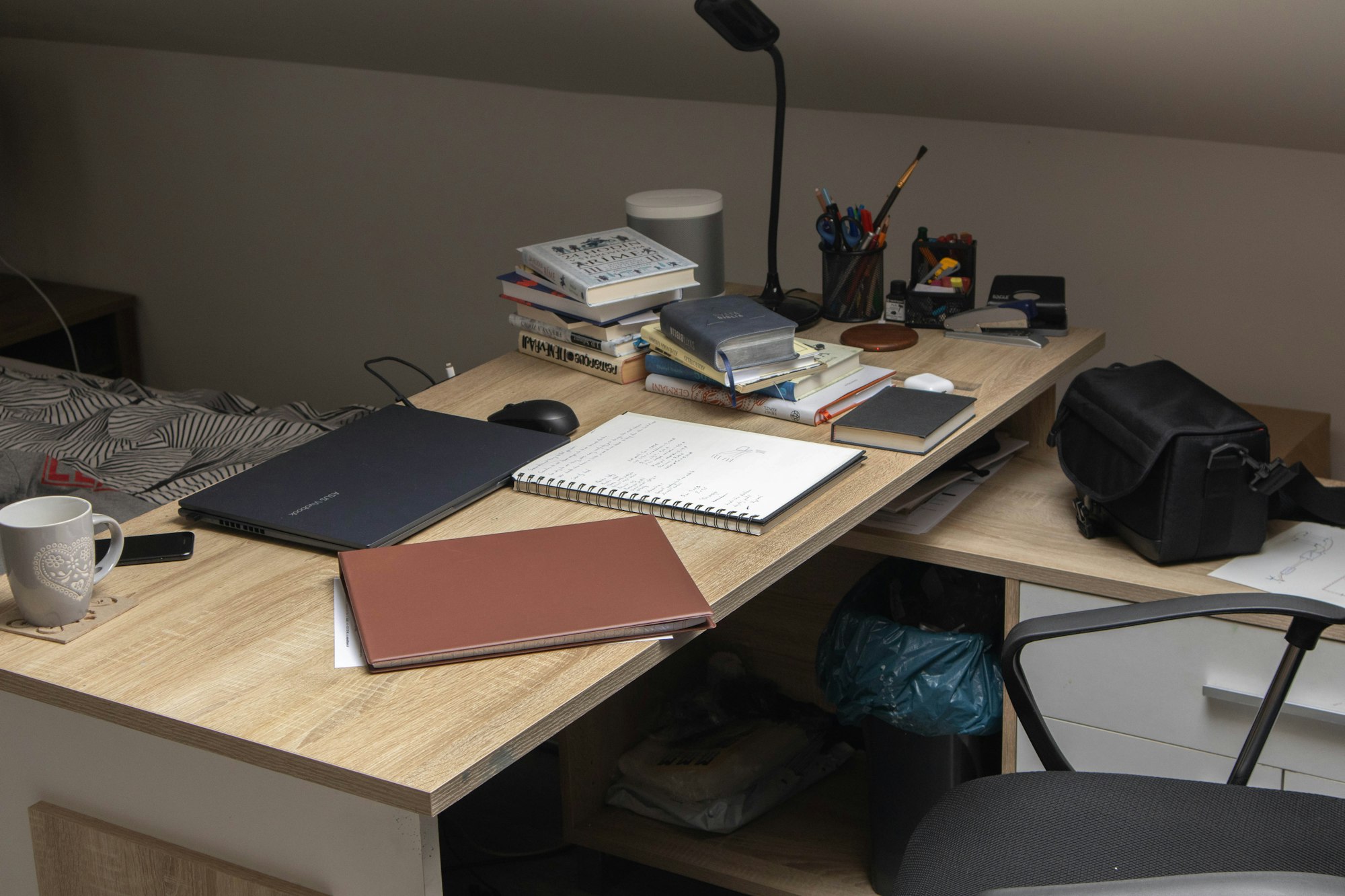
For three years, my file organization system was a hobby. Not in the fun way. In the “I’m reorganizing my entire Documents folder for the fourth time this year” way.
I’d find a new tagging system, or discover a folder structure I liked better, or read some productivity blogger’s approach and think: that’s it, that’s the one that’ll fix everything. So I’d spend a weekend moving files around, renaming folders, creating metadata systems that would definitely, this time, mean I’d never lose anything again. The feeling was intoxicating. Clean. Controlled. For about three weeks.
Then the system would break down, not because it was bad, but because my habits didn’t match it. Or something else would shift—a new project, a new tool, a new priority—and suddenly all that organizational perfect wasn’t worth the friction it took to maintain it.
The Reorganization Trap
Here’s what nobody tells you about digital organization: most of us aren’t struggling with how to organize. We’re struggling with the myth that perfect organization exists, and that once we find it, we’ll magically become more productive.
The organizing industry (and it is an industry now) sells you the belief that chaos is costing you time. And sure, sometimes it is. But spending six hours restructuring your system to save theoretically save two hours a week is just another form of procrastination wearing a productivity costume.
I fell for it because organization feels like progress. You can see the results immediately. A clean folder structure is visible proof that you’re getting your act together. Writing an actual proposal? That’s vague and slow. Reorganizing your tags? That’s done by lunch.
The catch: good enough organization is worth more than perfect organization you won’t maintain. Not because “good enough” is always the answer—it’s not—but because the compounding friction of maintaining a system you resent will quietly drain you over months.
What Actually Worked (Eventually)
I stopped looking for the system and started paying attention to what my actual digital life looked like. Not what I wanted it to look like. Not what some productivity YouTuber said it should look like. What it actually looked like.
I was hunting for files constantly. Not because I couldn’t remember where I’d put them, but because I’d put them in different places depending on my mood or how I was thinking about the project that day. A design file might live in Projects/Branding or Clients/ClientName/Assets or just… the desktop. Depending on when I’d created it.
So I did something radical: I named things clearly and kept them in roughly the same place. Not perfectly. Just consistently enough that future-me could find them.
I named my projects with the date and the actual project name. 2025-02-Acme-Rebrand instead of Acme v3 or FINAL_Acme or whatever I’d called it three iterations ago. I stopped using elaborate category systems and started putting related files in obvious folders. Client Work has subfolders by client name. Writing has subfolders by publication. Archive is where things go when I’m done with them.
That’s it. No color-coded tags. No elaborate metadata. No system so perfect it takes an instruction manual to operate.
And here’s the kicker: it works better than the four previous systems combined.
Not because it’s brilliant. It works because I actually use it. Because it takes thirty seconds to file something new, not three minutes of deciding whether it fits better under “Resources” or “Reference Materials.” Because when I’m looking for something, my first instinct is usually right.
I didn’t stumble onto this by luck. I stumbled onto it because I finally stopped optimizing the system itself and started optimizing for using the system. The difference matters.
The digital minimalism folks will tell you to keep fewer files and fewer folders. The second-brain advocates will tell you to build an elaborate cross-referenced system that mirrors your thinking. The productivity systems crowd will tell you to choose a framework and commit to it religiously. They’re not wrong—those approaches work for some people, under specific conditions.
But most of us just need to get our stuff organized enough that we can actually find it and work with it, and then stop fiddling.
This is where I’d normally tell you there’s a universal principle here about accepting “good enough” in other areas of life. And there is. But that’s reductive. The real principle is simpler: the best system is the one you’ll actually use. The one that fits your natural habits instead of fighting them. The one where the friction of organizing is so low that you don’t resent doing it.
I’m not reorganizing my files anymore. Not because I found perfection. Because I stopped looking for it.
If you want to dig deeper into digital organization approaches, there’s real value in understanding the options available. I’ve written about specific tool comparisons in Notion vs. Obsidian vs. Apple Notes, which is useful if you’re still shopping around. And if you’re interested in the broader philosophy of how to actually capture and organize information across your digital life, how to build a second brain without losing your first one covers the deeper framework.
But before you rebuild anything, read digital minimalism starter pack 2025. It might save you the time you’d have spent reorganizing for the fifth time.