learning
How to Read 30 Books a Year (Without Speed-Reading Gimmicks)
November 5, 2025
30 books a year isn't about speed-reading marathons—it's about reading every single day. Here's the math, the methods, and why most people fail.
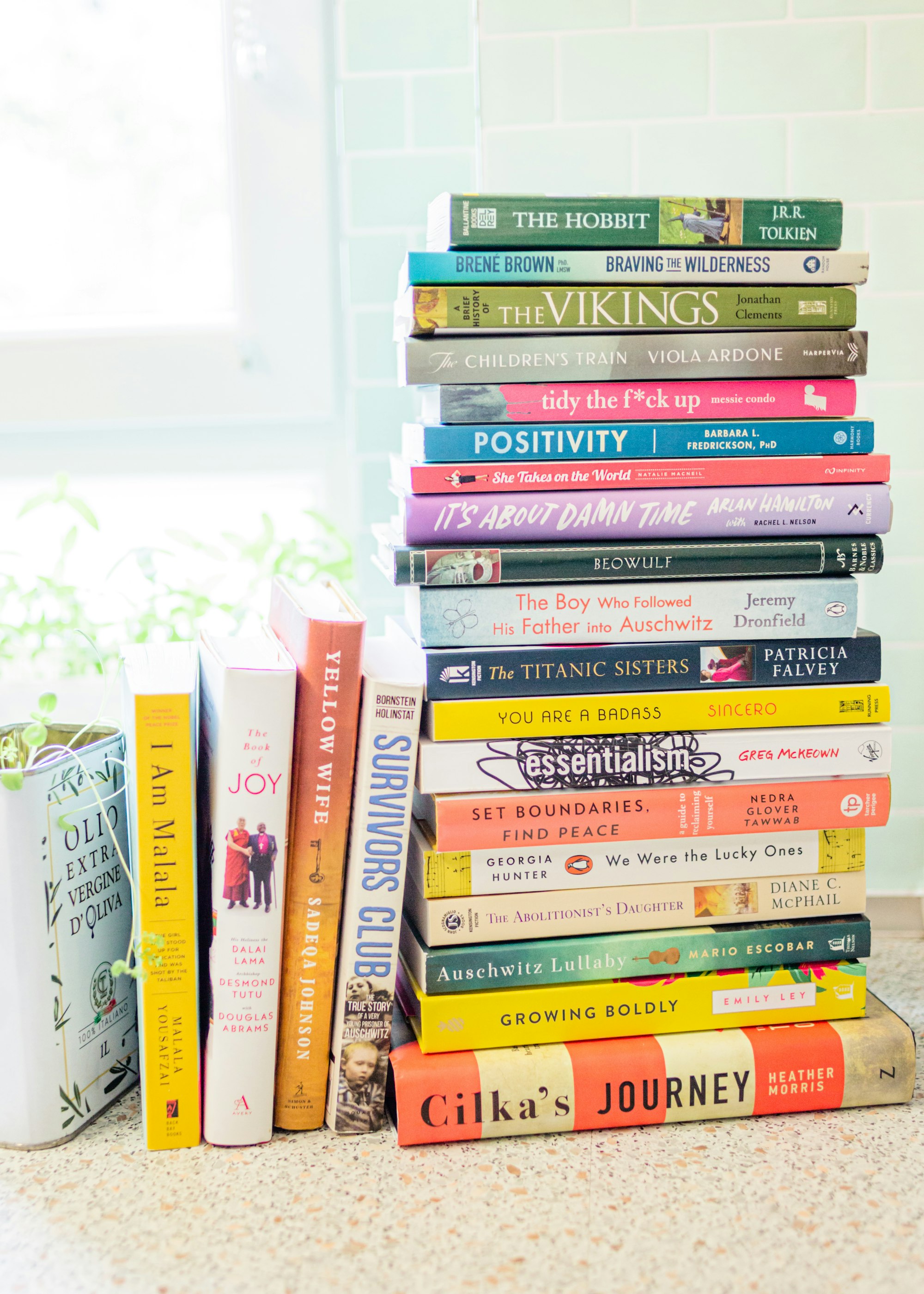
You want to read 30 books a year. You say it like it’s this impossible mountain. Like you need a special talent or speed-reading course or three more hours in the day.
Let me break the myth: 30 books a year is just 2.5 books a month. Which is roughly one book every 12 days. Which breaks down to about 20-30 minutes of reading per day.
You already scroll Instagram for longer than that.
The problem isn’t that 30 books a year is hard. It’s that you think it requires willpower instead of realizing it just requires structure. This is the difference between reading like you’re trying to prove something and reading like you’re actually part of your life.
I went from reading maybe 5 books a year (guilty, scattered brain, “too busy”) to 30+ once I stopped treating reading as something that happened when I had time and started treating it like something that happened by default.
Here’s how.
The Math Is Simpler Than You Think
Let’s be concrete about this because vague goals are the death of actual reading.
30 books a year looks like this:
- 30 books / 12 months = 2.5 books per month
- 2.5 books / 4 weeks = one book every 10-12 days
- One book every 10-12 days at an average reading pace means 20-30 minutes daily
That’s it. Not 2 hours. Not “every free moment.” Just 20-30 minutes.
Most people can read a book in a week if they’re reading 30 minutes every day. Some read faster. Some slower. The pace doesn’t matter. The consistency does.
The trap is thinking you need to find 30 extra minutes. You don’t. You need to steal 30 minutes from something you’re already doing.
The Real Trick: Habit Stacking, Not Discipline
You don’t become a reader by building willpower. You become a reader by making reading the automatic response to certain moments in your day.
This is called habit stacking. You attach reading to an existing habit—something you already do without thinking.
Pick one anchor habit from this list:
- Morning coffee or tea — You already have 20 minutes while your brain wakes up. Read instead of checking email.
- Commute — Whether it’s the bus, train, or waiting in carpool line. That time exists. Use it.
- Before bed — Replace the last 30 minutes of phone scrolling with a book. Your sleep improves too.
- Lunch break — Even if you only have 15-20 minutes. That’s a chapter.
- Waiting rooms — Doctor appointments, car repairs, your kid’s soccer practice. Always have a book.
I started with coffee. Every morning, I made coffee and read for 20 minutes before opening my laptop. After two weeks, my brain started expecting the book. It wasn’t willpower anymore. It was just what I did.
Pick the anchor that already exists in your day. Don’t create a new time slot. Steal from something less important.
Audiobooks Count. Use Them.
The minute you decide audiobooks are “real reading,” your reading life expands immediately.
I hear the pushback: “But I’m not actually reading if I’m listening.” Correct. You’re listening. You’re also consuming the exact same content, gaining the same knowledge, enjoying the same story. The format is different. The benefit is the same.
Audiobooks are how I found an extra 10 hours per week of reading time. I listen while:
- Doing dishes or laundry
- Walking the dog
- Driving to work
- Going for a run
- Cooking dinner
For people trying to hit 30 books a year, audiobooks aren’t cheating. They’re the difference between getting there and staying stuck.
Start with fiction if you’re new to audiobooks. Narration carries you through the story. Non-fiction requires more active listening and is tougher when your brain is distracted by other tasks.
The Brutal Rule That Changes Everything: Quit Bad Books Early
Life’s too short to finish books you hate.
This is the permission you’ve been waiting for. I read 80 pages into a highly-recommended book last year and hated it. I quit. No guilt. No “but everyone says it gets better.” I moved to the next book.
The moment you give yourself permission to quit, you stop wasting time on books that don’t work for you. You stop finishing out of obligation. And suddenly you’re reading books you actually want to finish, which means you’re finishing more books overall.
The rule: You have to finish the first 50 pages. After that, quit without shame.
The first 50 pages let the author establish the world and voice. By page 50, you know if the book is for you. If it’s not, close it. Pick up something that is.
The books that made it to my finish line weren’t all “important.” They were all gripping. There’s a difference. Pick books you can’t put down. You’ll read more of them.
Stack Heavy and Light Reads
One of the reasons people fail at ambitious reading goals is they try to read 30 serious books. Philosophy, dense non-fiction, literary fiction. All of it requires full mental focus.
You’ll burn out by book 4.
The mix that actually works:
- 2 heavy reads per month — Dense non-fiction, complicated fiction, books that require active thinking
- 3 light reads per month — Page-turners, comfort reads, books that pull you forward without mental strain
With light reads, you’re racking up book count without the cognitive load. Light reads also fix the problem where you get stuck on a hard book for six months and give up on your goal.
This isn’t lowering your standards. It’s being honest about your attention and structuring your reading life accordingly.
I stack them. If I’m reading something dense, I keep an easy thriller on deck. When my brain hits a wall with the heavy book, I switch to the thriller for two days. Then I come back refreshed.
Always Have the Next Book Ready
This is the small habit that stops most people.
They finish a book and then spend a week deciding what to read next. That week of indecision becomes a break from reading. The break becomes a habit. The habit becomes “I’m not really a reader.”
Fix this: The moment you crack open a new book, decide on the next one. Don’t finish Book A without Book B already on your shelf or in your hand.
I keep three books in rotation at all times:
- The one I’m currently reading
- The next one queued up (so there’s no gap)
- A backup lighter read (in case I hit resistance on the main one)
This means the second I finish, I’m already into the next one. No decision paralysis. No breaks.
Track Progress, Not Perfection
You’ll read more if you can see that you’re reading. This isn’t vanity. It’s how your brain works.
Use a simple tool to track books: Goodreads, a spreadsheet, a reading app like StoryGraph, or literally just a list on your phone. Log every book you finish. That’s it.
Watching the number grow is the only motivation some days. On days when you don’t feel like reading, seeing that you’re on book 18 and it’s only June becomes a reason to keep going.
I don’t track books started. Only books finished. Started books are noise. Finished books are proof you’re a reader.
The 30-Minute Daily Non-Negotiable
Here’s where the coaching part matters: You have to protect the reading time.
This isn’t “read when you feel like it.” This is “reading happens at the same time every single day, no matter what.”
If your anchor is morning coffee, you defend that 20 minutes like you defend any other important appointment. Work calls don’t interrupt it. Social media doesn’t interrupt it. Your brain will invent a thousand reasons to skip it on certain days.
This is where you get firm with yourself.
For the first month, defend it like your life depends on it. After a month, it becomes automatic. Your brain stops fighting it. The resistance disappears.
I won’t open my laptop until I’ve read my morning pages. It’s non-negotiable. Some days I’m tired. Some days I have to be somewhere early. I read anyway—even if it’s just 10 minutes instead of 30. The streak matters more than the perfect session.
What Changed When I Got Intentional
Before I systematized reading, I read maybe 5 books a year. I thought I was “too busy.” I thought people who read 30 books were magicians with extra hours I didn’t have.
The shift happened when I stopped thinking about reading as an activity and started thinking about it as an identity. I’m a reader. Readers read daily. So I read daily.
That reframe changed everything.
Now I read 30+ books a year without feeling rushed. I’m not speed-reading. I’m not sacrificing sleep or work. I’m just reading 20-30 minutes daily and protecting that time like it matters.
It does matter. Books are how you think differently than you did yesterday.
You don’t need a special talent. You don’t need a speed-reading course. You need 20-30 minutes, a book that grabs you, and the willingness to make it non-negotiable.
Start this week. Pick your anchor habit. Get a book that excites you. Protect the time. That’s the whole system.
If you’re starting from “I haven’t finished a book in years,” read through how to start reading again when your brain is fried first—it covers the attention-span rebuild. And once you’ve got the habit down, these reading strategies will help you actually absorb and apply what you’re reading instead of just finishing books.
The 30-book goal isn’t about impressing people. It’s about building the habit of showing up for yourself every single day. Everything else follows.