business-entrepreneurship
Quick Takes: Things I'd Tell a New Freelancer Over Coffee
February 15, 2026
Forget the guides. Here's what actually matters when you're starting out freelancing — the stuff nobody tells you until you're already struggling.
You’re going to charge too little, and you’ll know it the moment you hit send on that first proposal. That’s normal. What’s not normal is staying there. Raise your rates before you think you’re ready, because by the time you feel ready, you’re already undervalued.
Your first real clients aren’t coming from LinkedIn or some freelance marketplace. They’re coming from people you already know. Your former coworker. Your roommate’s friend who needs a website. That person at the gym who mentioned they’re starting a side business. These aren’t accidents — they’re your actual network. So tell people what you do. Not in a pitch way. Just in a “hey, I’m freelancing now” way.
You need a contract. Even with friends. Especially with friends. A contract isn’t about not trusting someone — it’s about everyone knowing exactly what’s happening and when it’s done. It saves the relationship because there’s no guessing about scope or timeline or payment.
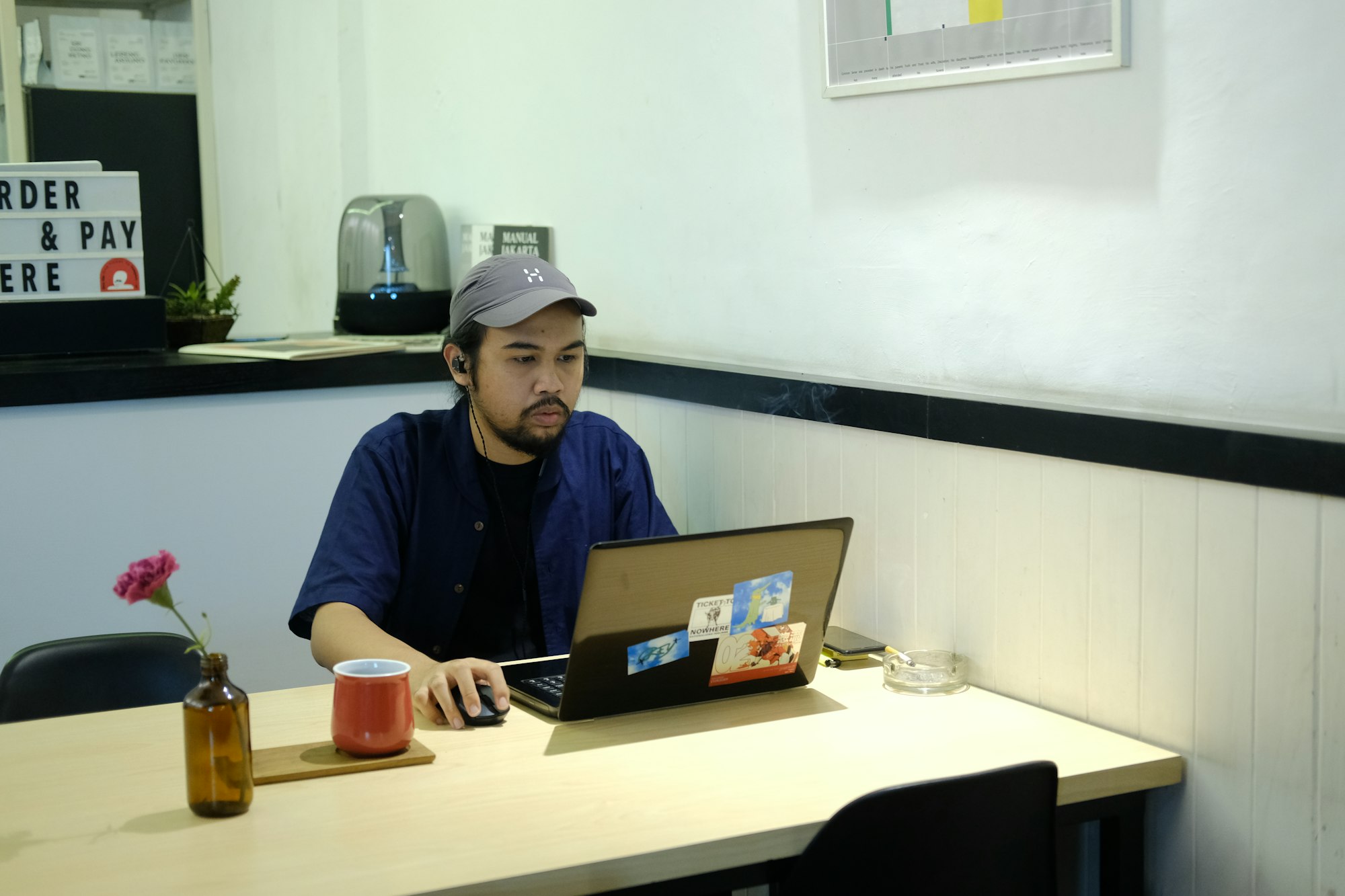
The loneliness is real, and you’ll feel it around week three when you haven’t talked to anyone in person about work in days. Plan for it now. Find a coworking space one day a week, or a coffee shop with actual humans, or a freelancer group that meets monthly. Don’t wait until you’re burned out to fix it.
You’ll work weird hours. Maybe you start at 5 AM because that’s when your brain fires. Maybe you work Sunday afternoon instead of Wednesday morning. That flexibility is one of the best parts — stop feeling guilty about it and just lean in. But set some boundaries, because “I can work anytime” becomes “I work all the time” faster than you think.
Stop waiting to feel like a real freelancer before you act like one. You don’t need permission. You don’t need the perfect website. You don’t need five case studies. You need one person to pay you for your work, and then another one, and then you learn as you go. Your first thousand dollars teaches you more than any blog post will.
The hardest part isn’t the work. It’s the discipline to say no to projects that feel urgent but aren’t right, or clients who feel cheap or time-sinking. Learn that early and you’ll build something sustainable. Learn it late and you’ll burn out wondering why freelancing felt like a scam.
You already know enough to start. The question is just whether you’ll actually do it.