tools-resources
Stop Collecting Tools. Start Wiring Systems.
February 20, 2026
Your Notion is gorgeous. Your Todoist is organized. Your calendar is color-coded. And none of them talk to each other. That's not a system — it's a museum.
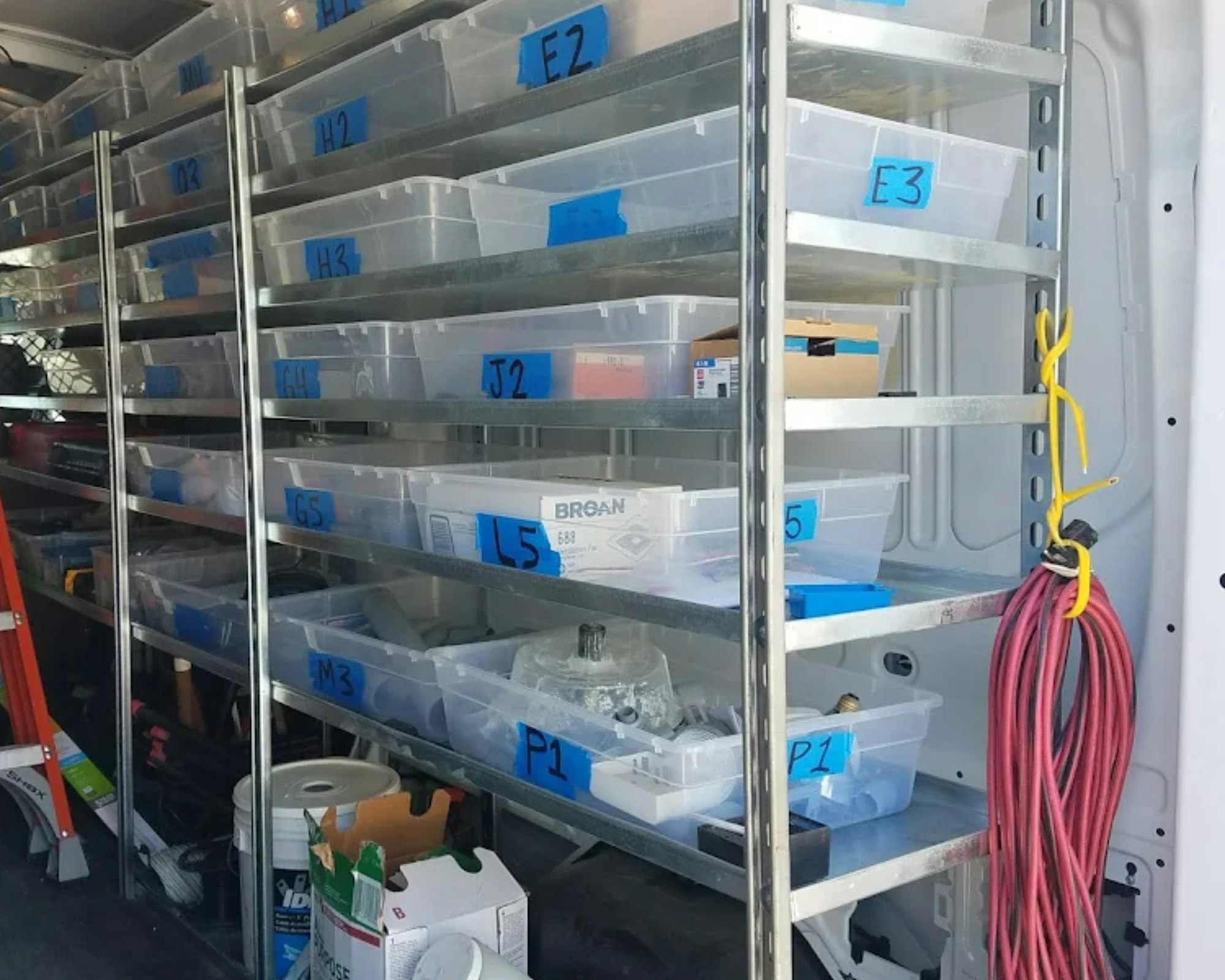
You’ve got a Notion workspace that’s immaculate. Color-coded databases. Templates that took hours to build. You’re proud of it — and you should be. But here’s the thing: it’s sitting in a vacuum. Your calendar doesn’t know about your Notion. Your email doesn’t sync with your tasks. Your CRM talks to nothing.
That’s not a system. That’s a museum.
The Tool Collector’s Trap
I see this every single week. Someone shows me their “stack” — 15, 20, sometimes 30 apps. They’ve optimized each one individually. They’ve got the perfect note-taking setup. The perfect project manager. The perfect time tracker. And I ask the obvious question: “How do they talk to each other?”
Silence.
That’s the moment you realize it’s not a stack. It’s a collection. A curated pile of isolated tools that create the illusion of productivity while eating up your time with manual data entry, context switching, and the constant mental load of remembering which app does what.
You’re spending 30 minutes on Tuesday moving tasks from Todoist into your calendar because they don’t sync. You’re copying information from your CRM into Slack because there’s no integration. You’re exporting spreadsheets and re-uploading them to three different places because nobody bothered to wire anything together.
What Actually Matters: The Wiring
A real system isn’t about having the best tools. It’s about tools that talk to each other. It’s the glue. The connections. The automation that makes data flow instead of stagnate.
Think about this: When you mark a task complete in Todoist, does it auto-update your Slack status? When you add a client to your CRM, does it create a labeled folder in Drive? When you finish a project in Asana, does it trigger an invoice in your accounting software? When you publish a new blog post, does it auto-populate your newsletter?
Most people’s answer is no. Some of them don’t even know that’s possible.
That’s the gap between a tool collection and a system. One is passive storage. The other is active flow.
The Real Cost of Disconnection
Here’s what nobody talks about: the friction of disconnected tools isn’t just annoying. It’s expensive.
It’s the 10 minutes twice a week you spend manually syncing information. The context switches that kill your focus. The data that falls into cracks because you forgot which app was the source of truth. The duplicate entry you made in two places by accident. The missed opportunity because the information you needed was locked in the wrong tool.
Add that up over a month. Over a year. You’re hemorrhaging time.
And that’s before we get to the cognitive load. Every new tool you add is another password, another login, another interface to learn, another place your information lives. You’re not getting more organized — you’re getting more fragmented.
What Wiring Actually Looks Like
Let me give you a concrete example. A real system:
You close a sales deal in your CRM. This automatically:
- Creates a project in your project manager
- Sends a welcome email to the client (via your email automation)
- Adds the project deadline to your shared calendar
- Creates a billing record in your accounting software
- Posts a notification in your team Slack
- Logs the activity to a spreadsheet for monthly reporting
One action. Seven outcomes. No manual work.
Another example: You finish a client deliverable. The system:
- Marks the task complete
- Moves it to an archive database
- Logs the hours for payroll
- Sends an invoice reminder to the client
- Updates your portfolio (if you’re a freelancer)
- Moves the project folder to completed
You didn’t do anything except close out one task. Everything else cascaded.
That’s not luck. That’s wiring.
How to Actually Build One
Start brutally honest. Look at your current setup and ask: What information is trapped? What gets entered twice? Where do you lose time to manual work?
Those are your friction points. Those are where you wire things.
You don’t need to rebuild everything. You need to connect what you have. Use Zapier or Make (formerly Integromat) to bridge the gaps. Most tools have webhooks or APIs. Most have pre-built integrations with other apps. You’re not reinventing — you’re just gluing things together.
Start small. Wire one critical path. Get your CRM talking to your email. Get your project manager talking to your calendar. Get your time tracker talking to your invoice system. Watch how much simpler life gets.
Then add more wiring. Incrementally. Based on actual friction you’re experiencing.
You might discover you don’t need half the tools you thought you did. That’s fine. A simple system with three wired tools beats a collection of fifteen disconnected ones every single time.
The Difference Between Smart and Cluttered
This is the difference between somebody who’s genuinely organized and somebody who just looks organized on the surface. The one with the gorgeous dashboard but manual workflows is cluttered. The one with fewer tools but real connections is smart.
I covered this in depth before — the apps that survived my annual purge taught me that fewer tools with real integration beats more tools with potential. That’s the lesson that stuck.
If your current stack looks bloated, you’re not alone. Your AI tech stack is probably bloated too — and for the same reason. Everyone thinks more is better. It’s not. Connection is better.
The real win isn’t finding the perfect app. It’s wiring the apps you already have so they actually work together. Then you’ll stop spinning and actually move.
Your Notion can stay gorgeous. Your Todoist can stay organized. Your calendar can stay color-coded. But make them talk to each other. That’s when you go from collecting tools to running a system.
And that’s when everything gets faster.