health-wellness
The Art of the Strategic Nap
January 24, 2026
NASA figured out how to weaponize naps for peak performance. What they learned changes everything about how you should think about sleep during your workday.
I used to think napping was a luxury. Something you did on vacation or when you were sick. Definitely not something you did at 2 PM on a Wednesday in the middle of a project sprint. But then I learned what NASA discovered in the 1990s, and suddenly the entire afternoon changed.
NASA’s research team was studying pilot fatigue. They found that pilots on long flights were making dangerous mistakes not because they were incompetent, but because their bodies were running on fumes. So they did what any smart organization would do: they studied what happened when tired pilots took naps.
The results were stark. A 26-minute nap improved cognitive performance by about 35 percent. A 10-minute nap was nearly as good. Even five minutes of actual sleep moved the needle. The catch? It had to be timed right. This wasn’t about collapsing whenever you felt tired. It was about understanding how sleep works and scheduling around it.
Most people’s relationship with afternoon tiredness is all resistance. You feel the slump and immediately reach for coffee or a third energy drink. You push through it like the fatigue is something you can bully into submission. NASA’s angle was different: work with your body, not against it.
How it actually works
Your body has natural dips in energy throughout the day. The most obvious one hits around 2 or 3 PM (though if you’re waking at 5 AM, it might be earlier). This isn’t laziness or a sign you’re doing something wrong. This is biology.
When you’re in a normal sleep cycle at night, you move through stages: light sleep, deeper sleep, REM sleep. The whole cycle takes about 90 minutes. During the day, your body wants to do something similar, just faster and shallower. But here’s the thing: if you let yourself slip into deep sleep or REM during a short nap, you’ll wake up groggy and worse off than before.
The sweet spot is staying in light sleep. Light sleep is where the magic happens for alertness. That’s where your brain consolidates information, clears out some of the metabolic junk that builds up during thinking, and resets your cognitive dial. Twenty to thirty minutes is usually enough to get those benefits without tipping into the heavier stages.
The timing question
This is where most people mess up. You can’t just nap whenever. A nap at 5 PM will wreck your night sleep. A nap too close to when you actually woke up (say, 7 AM) won’t hit that natural dip and you’ll mostly just lie there annoyed.
The ideal window is usually between 1 and 4 PM, depending on when you woke up. If you woke at 6 AM, that 2–3 PM dip is real. If you woke at 7:30 AM, maybe 3 PM works better. You’re looking for that moment when your body is asking for sleep but you haven’t yet built up too much sleep pressure for the night.
Here’s what I do: I set a cutoff. If I haven’t slept by about 2:50 PM, the nap’s off the table. Anything later and I’m genuinely risking my evening sleep. I also set an alarm—a gentle one, not a jarring alarm—for 10 to 25 minutes out. The NASA research suggests 26 minutes, but anywhere in that window works. Don’t overthink the exact number.
The actual mechanics
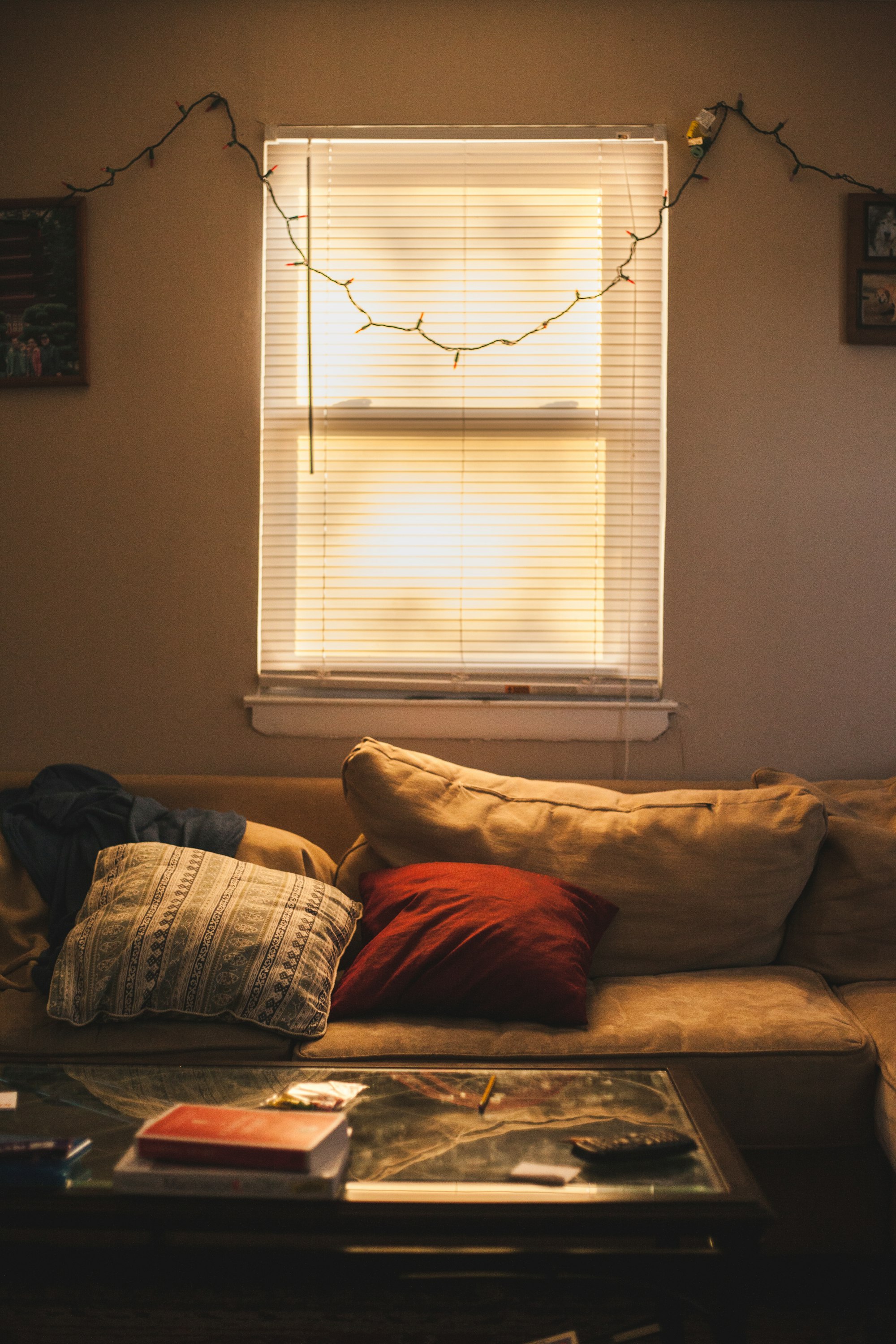
You need three things: darkness (or close to it), a quiet-ish space, and something that signals your brain it’s nap time, not bed time. I use a light blanket, not full sheets. I nap on a couch or in a chair, not in bed (that’s reserved for night). You might use a sleep mask. The point is creating enough separation from “sleeping” that you can wake up without the grogginess that comes with full sleep inertia.
There’s also caffeine timing. If you drink coffee right before a nap, it kicks in right when you’re waking up—about 20 minutes after you drink it. So you’re getting the cognitive boost of the nap plus the alertness of caffeine at almost the same moment. Sounds weird, and it is. But it works.
Don’t eat a huge meal before napping. A light snack is fine. Heavy digestion and sleep don’t mix, and you’ll just feel worse when you wake up.
The weird part is what happens after. You wake up and for maybe 30 seconds you feel like you’ve been hit by a truck. That’s fine. That’s normal. Get up, move around, splash cold water on your face if you need to. Within a few minutes, you’re usually sharp again—sharper than you were before you lay down.
The reason most people don’t do this is cultural inertia. We’re trained to believe napping is failure. It means you’re not disciplined, not working hard enough, not tough enough to push through. But that’s backwards. A strategic nap is the opposite of laziness. It’s working with your physiology instead of against it.
I’ve read about how this connects to larger energy management—and if you haven’t, you might want to dig into energy-management strategies—because naps are just one tool in a much bigger system. The afternoon slump is real, and there are other tricks worth knowing, but the nap is honest. It’s your body asking for something it actually needs, and you’re smart enough to listen.
The tricky part is giving yourself permission. Most people don’t need better time management or more discipline. They need rest. And sometimes rest is harder to actually practice than people realize, which sounds ridiculous until you try to actually take a nap without guilt.
Twenty minutes. Dark room. Set a timer. That’s it. NASA figured it out. Your brain will thank you.