productivity
The Difference Between Busy and Productive (A Field Guide)
December 8, 2025
Busy is a feeling. Productive is a result. Here's how to tell which one you're actually doing — and why it matters more than you think.
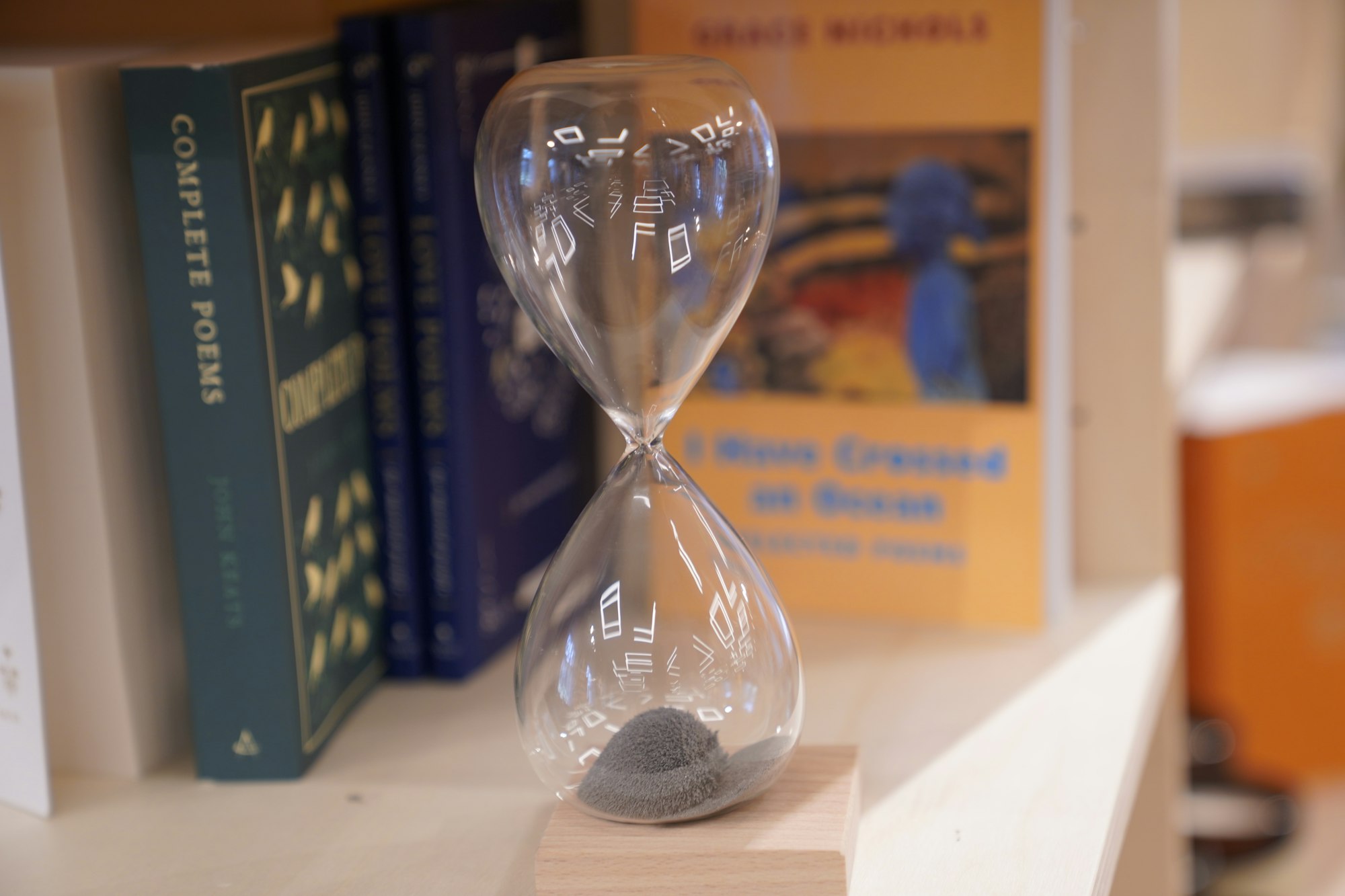
Busy feels like movement. Busy is the sensation of being in motion, of your calendar filling up, your inbox growing, your to-do list refusing to shrink no matter how much you cross off. Busy is a feeling you can defend. You can point to the hours logged, the meetings attended, the messages answered. Busy is visible. Productivity, on the other hand, is silent.
Most people confuse the two because busy feels productive. The adrenaline of back-to-back tasks, the weight of a full plate, the exhaustion at the end of the day — these create an illusion of progress. You’ve been moving all day, so surely you’ve accomplished something. But movement and accomplishment aren’t the same thing. A hamster running on a wheel is moving too.
Here’s the distinction I’ve been sitting with: Busy is motion. Productive is direction. Busy happens when you’re responding to everything. Productive happens when you’re moving toward something.
When you’re busy, your schedule is full of obligations that feel urgent. Emails need responses. Meetings were scheduled. Your boss asked for something. Your client wants an update. A deadline is looming. These things have external pressure attached to them, which makes them feel important. And some of them are. But most of them? They’re just the noise of the day. They’re other people’s priorities wearing your calendar.
Productivity is different. It’s about working on things that matter to you — that actually move the needle on your goals. It doesn’t feel as frantic because you’re not reacting to every demand. You’re choosing. And choosing is slower than defaulting.
This is where productivity culture gets it wrong. We’re told that productivity means doing more, faster, better — that the goal is to cram more output into fewer hours. So we optimize. We use better tools, we follow better systems, we read more books about time management. And then we get… busier. We get better at responding to everything. We get faster at email. We get more efficient at meetings. We’ve optimized ourselves into a fuller schedule, and we call it productivity.
But if you’re optimizing your ability to be busy, you’re not optimizing productivity.
The real test is this: At the end of the week, what changed? Did you move closer to something you actually care about? Or did you just answer a lot of questions and attend a lot of meetings that could’ve been emails? Did you build something, ship something, decide something important? Or did you manage, coordinate, and approve?
I don’t think this is a failure of discipline. I think it’s a failure of visibility. You can see busy. You can’t see productive until it’s done. Productivity requires patience and faith that the work matters, even when nobody’s looking. Busy gets applause. Busy gets praised. Busy is the thing you brag about at dinner. “I had such a crazy day, I didn’t even eat lunch.” Productive is invisible until it’s a result.
The tricky part is that some jobs are busy jobs. If you’re in management, customer service, or any role that’s primarily reactive, busy is part of the gig. You can’t make all of that go away, and pretending you can is naive. But even in those roles, the people who move up are the ones who protect some time to be productive at something else. They carve out space to plan, to strategize, to think. They don’t let busy take everything.
And if you’re in a role where you have some control over your schedule, the math is simple: if you’re at 95% busy and 5% productive, you’re running on someone else’s agenda. If you’re at 60% busy and 40% productive, you’re building something.
The hardest part of this shift isn’t the systems or the tools. It’s the guilt. Because the moment you stop answering every message in two minutes, someone will notice. The moment you block focus time on your calendar, someone will want to book a meeting. The moment you say no to something, you’ll feel like you’re not being a team player. And that pressure is real. But so is the reality that you’ll never feel productive if you’re always busy.
Busy is a choice you’ve outsourced to everyone else. Productive is a choice you make.
The real question isn’t how to be busier. It’s how much busy you can absorb and still have energy left to be productive. And that threshold is lower than you think.
If you’re struggling with this, why your to-do list is making you less productive might resonate — it’s about the same confusion from another angle. There’s also the quiet power of doing less, which explores what happens when you actually stop trying to optimize everything. And if you want a practical framework for this distinction, the 10-minute weekly review that keeps me sane is a way to build visibility into what’s actually productive versus what’s just busy.