tools-resources
The Hidden Cost of Free Tools
November 15, 2025
Free tools promise to save money. But the cost isn't in dollars—it's in attention, lock-in, and the mental overhead of managing something you don't control.
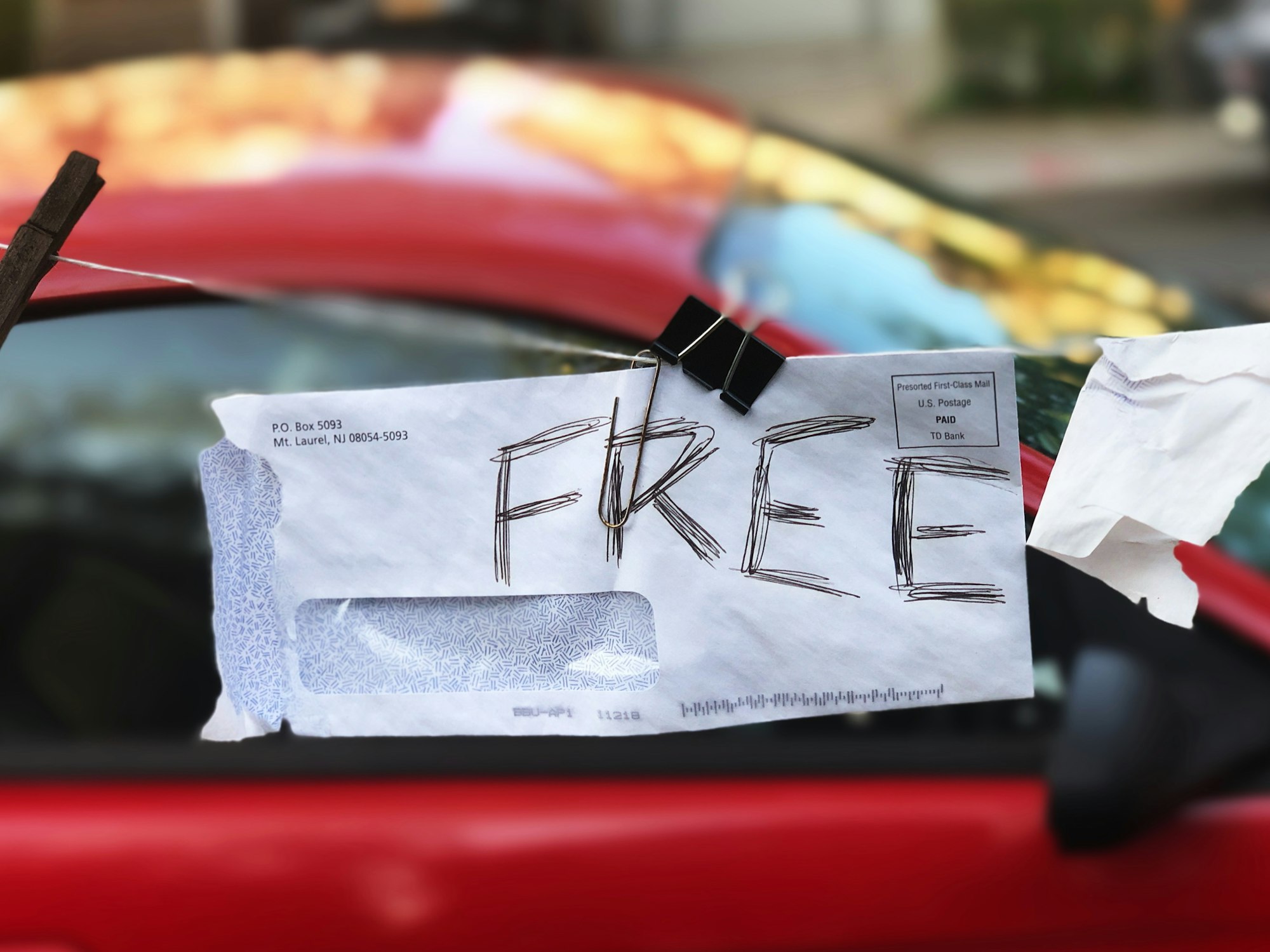
Everyone says free tools are a no-brainer. No subscription, no risk, no upfront cost. Fill your stack with Canva, ChatGPT, Trello, Figma’s free tier, and suddenly you’re running your entire operation without spending a dime. That’s what people tell you. Here’s what they’re not telling you: you’re paying. Just not in money.
The problem with free tools isn’t that they’re bad. Many of them are genuinely excellent at what they do. The problem is what comes with free: unpredictable changes, locked features, behavioral nudges, and the constant awareness that you’re one pricing change away from a crisis. You’re not a customer. You’re a user being herded toward a paid upgrade, and every feature gap you encounter is deliberate.
The Real Cost Structure
Let’s separate the charges you don’t see from the ones you choose to ignore.
Data as debt. The moment you pour work into a free tool, you’ve made a commitment. If it’s Figma, your designs are there. If it’s Canva, your templates are there. If it’s a free note app, months of thinking are trapped inside. You can export, maybe, but usually in a format that requires cleanup. Or you can’t export at all. Either way, leaving costs time you didn’t budget for. That’s a switching tax, and it’s designed in.
When a company converts free users to paid, they’re not taking anything. They’re just activating the cost that was always there—the friction of leaving. You’ve been paying for that tool the entire time, just in future optionality instead of present dollars.
Attention as currency. Free tools need to monetize somehow, and if it’s not through subscriptions, it’s through your attention. You get ads. Or you get notifications designed to keep you checking back. Or you get dark patterns that make it easy to upgrade and harder to stay on the free tier. Basecamp famously advertised how many interruptions their competitors’ products create. Most free tools create dozens.
That 30 seconds of cognitive load every time you see a “upgrade to pro” prompt, or the minutes you lose to a UI redesign meant to push you toward features, adds up. You’re not just using the tool. You’re managing your relationship with it.
Lock-in as strategy. Trello is free. It’s also nearly impossible to leave because your entire workflow is built around Trello’s structure. You move boards and cards, and when you decide to migrate to something else, you realize Trello’s abstraction is specific enough that switching to Notion or Monday isn’t a copy-paste operation—it’s a redesign of how you work.
Some of this is just how tools work. But much of it is intentional. Free tiers are designed to maximize lock-in. They want you dependent before you decide whether it’s worth paying.
What Changes When Something Gets Discontinued
Here’s the question nobody asks until it’s too late: what happens when the free tool dies?
Google Docs won’t die tomorrow, but Quip will. Figma’s free tier might get smaller. ChatGPT free tier could get features removed. Slack killed its free plan’s search history (you can only see the last 90 days now, a deliberate limitation).
When a tool changes, you adapt. You migrate, or you start paying, or you just… work around it. But working around it is work. It’s maintenance. It’s a distraction from actual work.
With paid tools, you have recourse. You’re a paying customer. You can complain. You can switch because the cost of switching is justified by the amount you’re spending. With free tools, you have no leverage. You’re told to deal with it or leave.
I’ve met freelancers who built their entire lead generation system on a free tool’s free tier, only to watch features disappear or pricing get introduced. They didn’t lose money directly. They lost months of habit and workflow because they were building on rented ground.
The Better Question to Ask
This isn’t an argument for paid tools. Plenty of paid tools are overpriced and bloated. It’s an argument for intentionality.
When you choose a free tool, make sure you’re actually choosing it—not just choosing the path of least resistance. Ask yourself: If this became paid tomorrow, would I pay for it? If the answer is no, then you don’t love it enough to build your workflow around it. You’re using it because it’s free, which means your loyalty is to cheapness, not to fit.
If the answer is yes, then maybe free is the right move for now. But operate with the understanding that you’re building on sand. Keep exports updated. Don’t let the tool become irreplaceable. Treat it like a contractor, not a business partner.
Some people find the right free tool and stick with it for years. That’s real. But they’re the people who regularly question whether the tool still serves them, not the people who stumbled into it and never thought about it again.
The hidden cost of free tools isn’t what they charge you. It’s the cost of the decision itself—the mental overhead of managing something that doesn’t have skin in the game of keeping you happy. Free tools are designed to be easy to try and hard to leave. That’s the deal you’re making.
If you’re going to use free tools, at least be conscious about it.
You might also find it useful to read about automation tools that actually save time—because sometimes the cost of “free” is the time you spend managing the tool instead of using it. And if you’re thinking about moving to paid options, tools I regret not using sooner as a freelancer covers some that were worth the investment.