tools-resources
The Tools That Survived Five Years in My Stack
March 5, 2026
Five years in, these tools are still running. Not hyped. Not flashy. Just reliable.
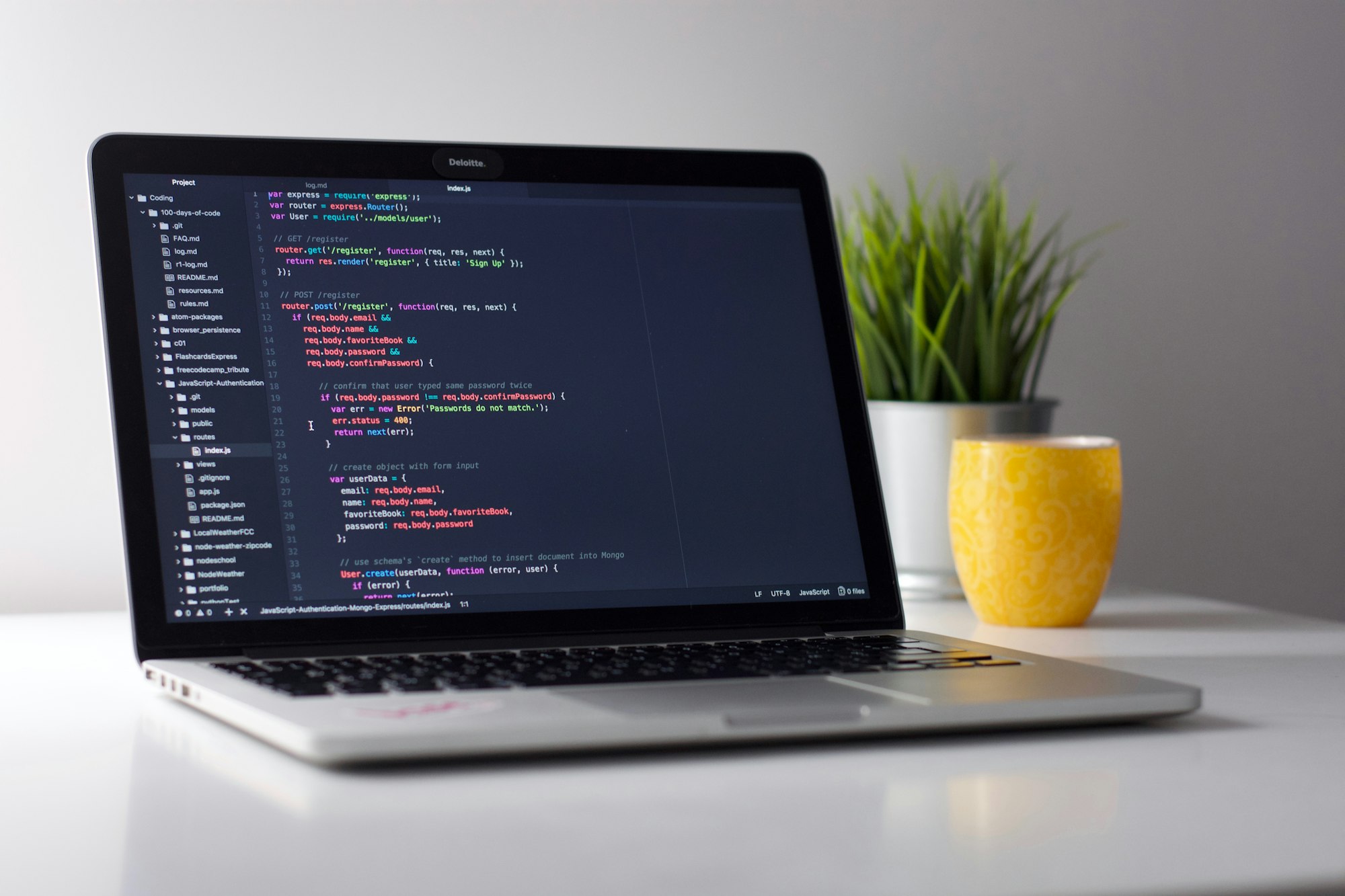
Most tools don’t last. They get acquired, redesigned into oblivion, or abandoned by founders who found something shinier. But some stay. I’ve been testing, replacing, and discarding productivity software for five years—and there’s a small stack of tools I keep coming back to. Not because they’re trendy. Because they work.
Here’s what actually survived the constant churn.
Todoist (Task manager)
The gold standard of to-do apps has been gold for a reason. No gamification tricks. No motivational badges designed to make you feel productive instead of being productive. Just tasks, subtasks, recurring dates, and a search function that doesn’t lie to you.
What makes it stick: It handles complexity without getting in your way. I’ve tried Things 3, Notion databases, Obsidian task plugins—they all feel clever when you set them up, then brittle when life gets messy. Todoist absorbs the mess. Five years in, I’ve never hit a wall where it couldn’t do what I needed.
1Password (Password manager)
I spent years on the cheaper options. Bitwarden is solid. LastPass was a security nightmare. Then I paid for 1Password and immediately understood why people recommend it even when it costs real money.
What separates it: It’s boring in the best way. No weird sync delays. No UI that changes every update. No mysterious security gaps. It just sits there, autofills things, and stays out of your brain. For a solopreneur dealing with fifty client accounts and banking portals, this reliability compounds.
Dropbox (Cloud storage)
In a world of Google Drive, OneDrive, and iCloud, Dropbox somehow stayed. It’s not because it’s the cheapest or the most feature-packed. It’s because it’s the Swiss Army knife that doesn’t try to be a chainsaw.
The staying power: File syncing that syncs. Shared folder permissions that make sense. Integration with every tool that matters. I’ve watched people migrate to competitors every two years chasing some promised feature, then migrate back when the new thing dropped the ball. Dropbox just sits there, quietly moving files between devices, year after year.
Figma (Design tool)
In 2019, Figma wasn’t the industry standard yet. Sketch still had pretenders. Adobe was still charging like they owned your house. I switched early because Figma was built for real collaboration, not as an afterthought, and that’s only gotten clearer.
Why it lasted: Every update actually makes the tool faster or more useful instead of rewriting the interface for no reason. The design system features work. The handoff to developers doesn’t require translating between three different file formats. It’s become more expensive, but it’s also become more indispensable—which is the opposite trajectory most software takes.
VS Code (Code editor)
I know. Everyone uses it. But I’m listing it because it’s the closest thing to an immortal piece of software in our industry. Free, lightweight, extensible, and somehow constantly improving without becoming bloated.
The reliability story: I’ve watched a dozen editors rise and fall—Sublime, Atom, Brackets. VS Code just absorbed their best features and kept moving. The extension ecosystem means you’re not locked into the team’s decisions. You can customize it exactly as much or as little as you want. Five years in, it’s still the first thing I install on a new machine.
Fastmail (Email hosting)
Gmail is the default, but Gmail becomes a data collection platform if you stare at it too long. I moved to Fastmail in 2020 and it’s one of the best $5/month decisions I’ve made.
What keeps it around: It handles email like email should be handled. IMAP actually works. Filters are predictable. I own my data. There’s no hidden engagement algorithm trying to make me click more ads. It’s the anti-Gmail, which is exactly what I needed. Most people don’t switch because it feels risky, but the risk of Gmail is bigger—they just don’t talk about it.
Obsidian (Note-taking)
I know Obsidian is trendy now. But it’s the first trendy tool in years that didn’t burn out or get enshittified. It’s local-first, infinitely customizable, and the developer actually listens to the community instead of shipping features nobody asked for.
What makes it survive being hyped: It’s built on Markdown files that will outlive the app. Your notes aren’t locked into a database. You can use a different editor tomorrow if Obsidian falls apart. That exit door—the knowledge that you own your data and can leave whenever—is what makes people stay. In five years, I’d bet money it’ll still exist and still work this well.
Stripe (Payment processor)
Not sexy. Not new. Just the best place to accept money if you run a solo business. The pricing is transparent, the API is sane, and customer support actually exists.
Why it’s survived a crowded market: Every time I consider switching—to Square, to Paddle, to PayPal—I run the math and realize Stripe takes less, causes fewer headaches, and integrates with everything I’m already using. That’s not loyalty. That’s math.
The common thread here isn’t that these are the best tools available. It’s that they’re the ones that don’t get worse when you look away. They don’t require constant tweaking. They don’t redesign themselves into irrelevance. They don’t charge you for features you didn’t ask for.
That’s the only real filter that matters over five years: reliability over novelty.
If you’re looking to build a stack that won’t explode in your face next month, start with the actual tech stack that keeps a solo business running. That post digs deeper into why these tools work together. You might also want to look at which apps survived my annual purge—it’s a different lens on the same question, and why boring technology is worth defending.
The best tool is always the one you never have to think about.