productivity
Why 'Eat the Frog' Doesn't Work for Everyone
January 5, 2026
The most popular productivity advice ignores a basic fact: humans have different circadian rhythms. Here's why your peak hours matter more than your willpower.
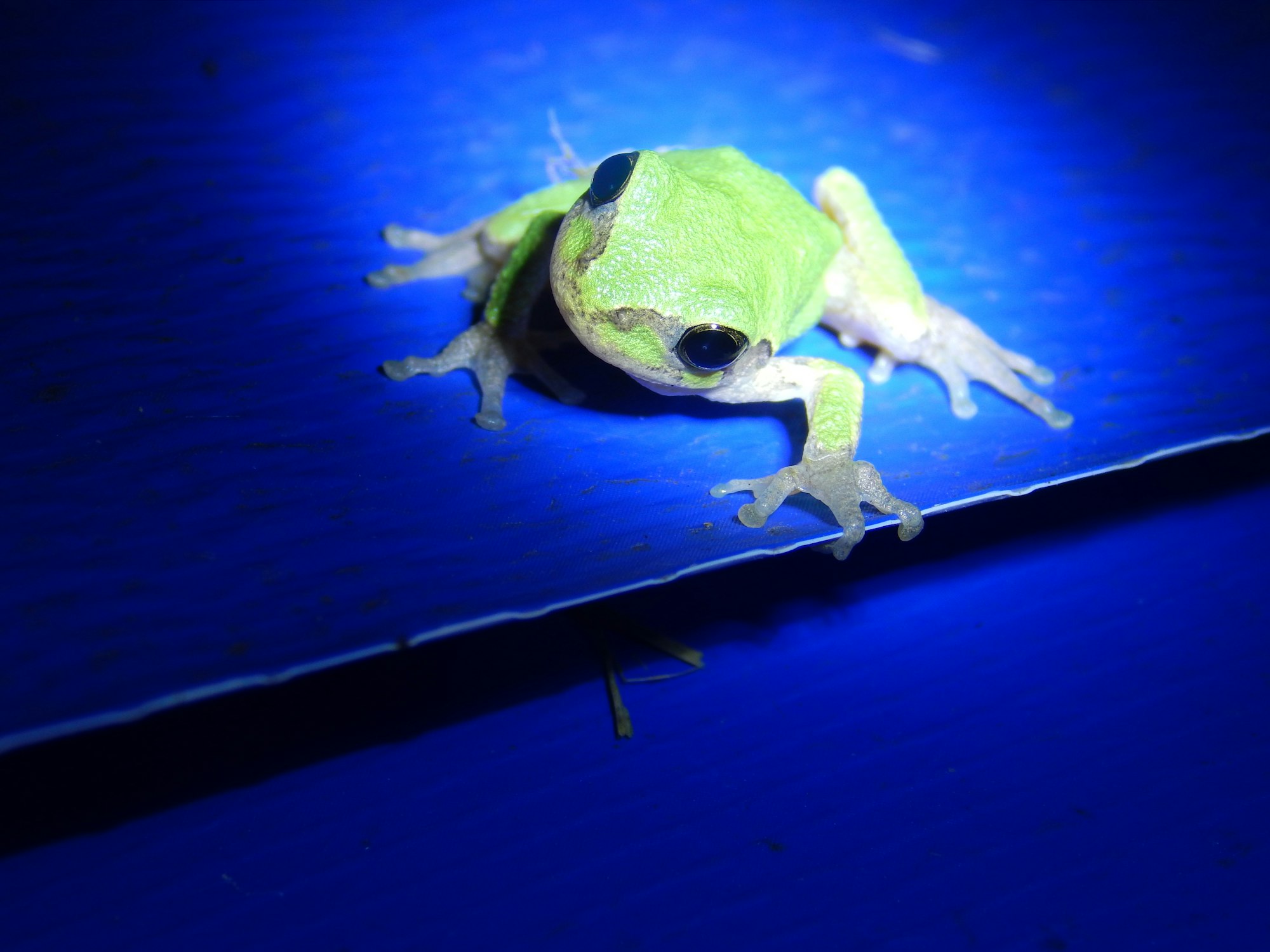
Every productivity blog tells you the same thing: tackle your hardest task first thing in the morning. Eat the frog. Start with the biggest, ugliest item on your list while your willpower is fresh. It’s become gospel. And it’s terrible advice for about half the population.
I spent three years trying to eat the frog. Every morning at 6 AM, before coffee even kicked in, I’d sit down to write — the task I dreaded most. And every morning, I produced garbage. Stiff sentences. Weak arguments. Ideas that felt like they were written by someone with a concussion. By 10 AM, I’d rewrite it all anyway. The frog was eaten. My morning was destroyed. My actual good work happened at 3 PM, when supposedly my willpower had “depleted.”
It took me longer than it should have to realize the problem wasn’t my work ethic. It was my chronotype.
The Chronotype Problem Nobody Mentions
Chronotype is the fancy word for your natural sleep-wake rhythm. Some people — “larks” — wake up sharp and can crush cognitive tasks before sunrise. Others — “owls” — don’t hit their stride until the afternoon or evening. It’s not laziness. It’s not bad habits. It’s wired into your circadian rhythm, influenced by genetics and age.
But the “eat the frog” crowd acts like chronotype doesn’t exist. They assume everyone can be a morning person if they just try harder. And the internet runs with it because morning productivity feels virtuous. There’s something attractive about a 5 AM start time. It signals discipline. Commitment. The kind of person who wins.
Here’s the truth: forcing a task when you’re biologically misaligned with it is the opposite of productivity. You’re not training yourself. You’re fighting yourself. And you’ll lose.
What Science Actually Says
Researchers at the University of Barcelona studied how chronotype affects performance on complex tasks. They found that people performed best when working during their natural peak hours — and significantly worse when working against their rhythm. Larks did their best thinking in the morning. Owls did theirs in the evening. The cognitive gap wasn’t small. It was substantial.
One study had participants solve complex logic problems at different times of day. Morning people crushed them at 8 AM and fumbled them at 8 PM. Evening people did the opposite. Same person. Same brain. Different hours.
And here’s what matters for this conversation: trying to force the evening person to work at 8 AM didn’t just make them slower. It made them cut corners, miss details, and produce lower-quality work. They compensated by working longer, which ate into their actual peak hours.
The frog didn’t get eaten better. It got eaten poorly, then eaten again later.
Who the Frog Actually Works For
I’m not saying eat-the-frog is complete fiction. It works for morning people. For true larks, tackling a hard problem when their cognitive load is lowest makes perfect sense. If your brain is sharpest at 7 AM, of course you should use those hours for your hardest thinking.
But the productivity world has generalized one group’s advantage into universal law. And that’s where it breaks down.
The other problem: some tasks genuinely don’t need your peak hours. If you’re answering emails, processing administrative work, or doing anything that’s mostly rote and low-cognitive, doing it first thing doesn’t protect your deep work. It just means you’re using premium brain time on something mechanical. You could do email at any point in your day and get the same result.
What actually matters is aligning your hardest, most important work with your personal peak hours — whatever those are.
The Real Productivity Pattern
Instead of eating the frog, try this: map your energy and focus across a full week. Track when you’re sharpest, not by ambition but by output quality. When do you write your best stuff? When do you solve problems quickly? When do you feel stuck despite effort?
Then build your week around that pattern, not against it.
For me, it meant accepting that my deep work happens in the late afternoon. Mornings are for low-stakes stuff: reading, planning, administrative tasks, conversation. By 2 PM, something clicks. The writing gets sharp. The thinking gets clear. That’s when I schedule my real work.
This sounds obvious once you say it out loud. But it contradicts everything you’ve been told about productivity discipline. It feels like you’re cheating. It feels indulgent. You’re not. You’re just working with your actual neurology instead of against it.
And the results aren’t close. Better work in less time. No rewriting at the end of the day because you half-asleep through the morning. No stealing from your peak hours to redo what you botched earlier.
What to Do Monday Morning
Stop trying to be someone else’s productivity ideal. Instead:
Identify your chronotype. You probably already know it. Are you naturally sharper in the morning or evening? Morning people tend to wake up energized. Evening people tend to feel best after the sun starts setting. If you’re unsure, track for a week. Honestly.
Protect your peak hours. Whatever time that is — 6 AM or 6 PM — build your hardest work around it. Treat it like a meeting you can’t miss. Everything else is secondary.
Fill low-energy windows with low-stakes work. Emails, admin, reading, research, planning. Things that don’t require your best thinking but still move things forward.
Ignore the morning-person propaganda. Yes, there’s a cultural narrative that early risers are winners. But productivity isn’t about being virtuous. It’s about getting actual work done.
This is what I wrote about in my energy management guide — the idea that your capacity isn’t infinite, and where you spend it matters as much as how hard you try. Your chronotype is a constraint, not a character flaw.
If you want to know what’s really blocking your productivity, sometimes the answer isn’t that you need more discipline. It’s that you’ve been trying to work against your own biology. And that’s a fight you were never going to win.
The frog doesn’t care when you eat it. But you do.
If this hit home, you might also want to explore deep work strategies — how to actually structure the hours that matter. Or if you’re curious about why your to-do list is working against you, that’s worth examining too.