career-work
Why Your Networking Isn't Working
March 4, 2026
Everyone preaches networking success. Here's what they're not telling you about why yours is failing.
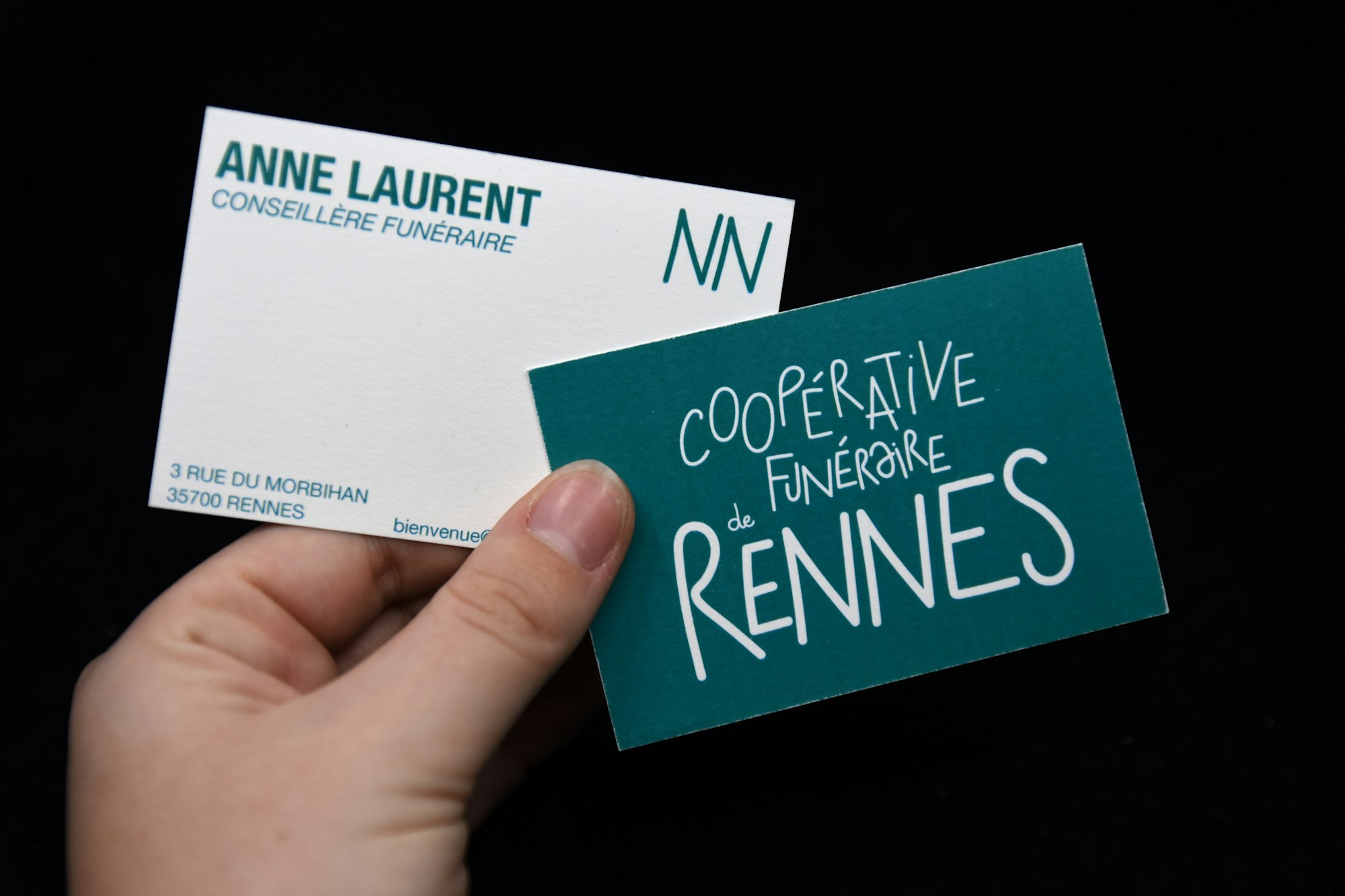
Everyone Says You Need to Network
Go to any LinkedIn feed, any productivity conference, any business book release, and you’ll hear the same gospel: Your network is your net worth. Attend more events. Collect more contacts. Be visible. Build your personal brand. Work the room.
For years, I believed it. I treated networking like a checkbox—something to optimize, measure, and scale. I’d attend three events a month, collect business cards, send follow-up emails within 48 hours. I had a system. I was doing it right.
And nothing happened. No real opportunities. No genuine friendships. Just a growing spreadsheet of names I didn’t actually know and a calendar filled with small talk I’d rather skip.
Here’s what nobody tells you: Your networking probably isn’t working because you’re doing it backwards.
The Transactional Trap
Let’s be honest about what most networking advice really is: a manual for extracting value from people you don’t know.
You show up to an event. You have a goal: meet someone useful. You memorize your elevator pitch. You target the right people in the room—the decision-makers, the influencers, the ones with connections. You work the interaction to see what you can get: a job lead, a client referral, an introduction to someone they know.
That’s not networking. That’s panhandling with a LinkedIn profile.
The problem isn’t that you’re trying. The problem is you’re trying to extract before you’ve contributed. You’re walking into rooms full of strangers and asking them to be useful to you, then acting surprised when they treat you like a stranger.
People can smell transaction from a mile away. They can tell when you’re talking to them because you want something versus when you actually care. And they respond accordingly—politely but distantly, with the kind of surface-level engagement that never converts into anything real.
What Actually Works (And Why It’s Unsexy)
Real networking doesn’t look like networking. It looks like friendship.
I learned this the hard way. The three best professional relationships I have now came from contexts where I wasn’t networking at all. One was a writing partner I met in a forum where we were both trying to solve the same problem—not because I wanted to know someone useful, but because I needed help. Another was someone I stayed in touch with from a past job, not through calculated relationship maintenance but because we actually liked each other. The third was an introduction that happened because I’d spent two years writing and sharing work, not because I worked a room.
Notice the pattern: I had something real to offer. I was doing my own work. I was solving problems. I was showing up consistently in spaces where people who cared about similar things gathered.
The best networking isn’t networking at all. It’s showing up, being genuinely interested in people’s work, and building relationships around shared values or problems instead of shared ambition.
This means:
Go deep, not wide. You don’t need 500 contacts. You need 5-10 people who actually know and respect you. Real relationships require investment—time, attention, actual follow-up that isn’t automated.
Contribute first. Write about your work. Share what you’re learning. Help people with no expectation of return. The relationships that matter form when people see you’re competent, generous, and worth knowing for real reasons.
Be genuinely interested. Ask people about their actual work, not what they do. Listen to their problems. Remember details. Follow up on things they mentioned months later. Most people are starving for someone who actually cares about what they’re building.
Stop trying to impress. Vulnerability is magnetic. Your struggles, your failures, your questions—these create connection. Your elevator pitch does not. Share where you’re stuck. Ask for advice. Be the person who’s honest about the actual work, not the highlight reel.
This doesn’t scale. It can’t. Real relationships don’t scale. And that’s the point. You don’t need them to.
The Verdict
Your networking isn’t working because you’re treating people like opportunities instead of like people.
The irony is that when you actually build real relationships—the kind based on mutual respect, shared interests, and genuine care—opportunities show up anyway. Better opportunities, often. Not because you extracted them, but because people want to work with and recommend people they actually trust.
If you want better networking results, stop networking. Start building relationships instead. Show up where people who care about your work gather. Do good work consistently. Be genuinely interested in what others are building. Help without keeping score.
It’s slower. It won’t fill your calendar with events. But it actually works.
The catch is that it requires you to be someone worth knowing first—not in your pitch, but in your actual work and character. Most people would rather go to more events than do the harder work of becoming that person.
But you’re not most people. So don’t be.
Related Reading
If you’re rethinking how you approach relationships professionally, you might find these valuable: The introvert’s networking playbook reframes networking for people who hate events. And if the casual part of connection is the blocker, how to get better at small talk (from someone who hated it) has practical moves that feel less performative. There’s also the deeper cost worth considering: the friendship tax of working for yourself explores how solo work changes your relationships—and what to do about it.