productivity
Your Environment Is a Productivity Tool (Most People Ignore It)
February 26, 2026
You're obsessing over task managers while your desk faces a wall and your phone sits three inches from your keyboard. Your environment isn't just affecting your productivity—it's the most ignored lever you have.
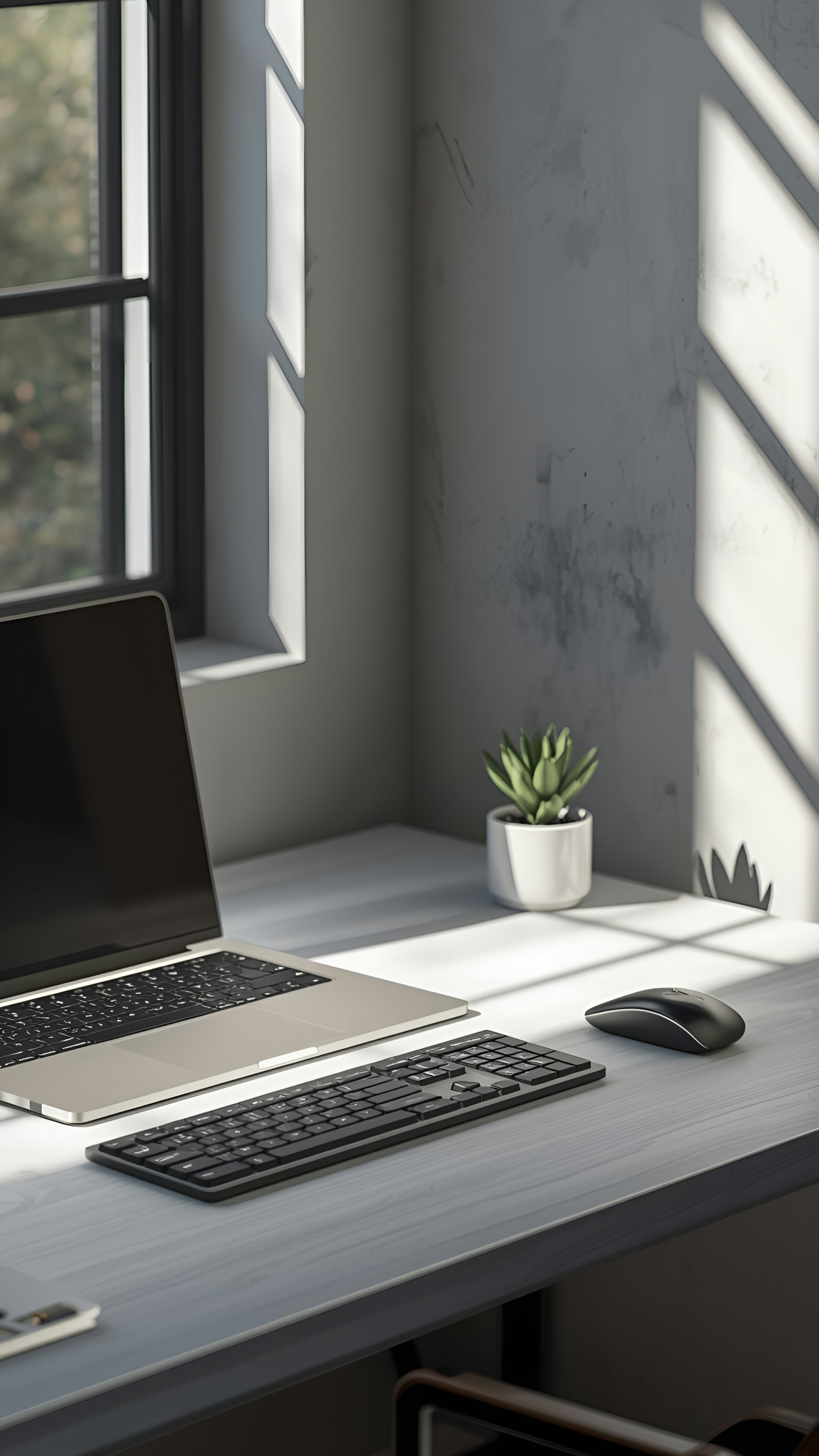
You’re reading articles about focus. You’re testing new apps. You’re tweaking your system for the hundredth time. Meanwhile, you’re sitting in a room that’s actively working against you.
Here’s the thing nobody wants to admit: the fancy productivity system doesn’t matter much if your environment is broken. And I don’t mean you need to renovate your office or spend thousands on designer furniture. I mean the actual, physical things around you right now—lighting, noise, where your phone lives, what you can see from your chair—are either supporting your work or sabotaging it. Most people never notice because they’re too busy buying another app.
The Unglamorous Reality
Your environment is a productivity tool. It’s not exciting. There’s no marketing behind it. No startup founder is going to sell you a $200 productivity solution that’s actually just “move your desk two feet to the left.” But that’s precisely why it works.
Think about what happens when you sit down to work. Your brain immediately starts processing everything around you—the light hitting your eyes, the ambient noise, whether you’re too warm or cold, what distractions are in your peripheral vision. You’re not consciously aware of most of it, but you’re managing it. That’s cognitive load that could go toward actual work. It’s leaking out before you even start.
The skeptical question is worth asking: if this stuff mattered, wouldn’t everyone already be doing it? The answer is that people notice when their environment is dramatically wrong (like trying to work at a construction site), but most people never test their actual setup against anything better. They’re habituated to whatever they’ve got.
The Things That Actually Matter
Lighting. This is the one that gets the least attention and has the biggest impact. If you’re working under artificial light that’s too dim or too bright, your eyes are working harder than they need to. You’ll get tired faster and your focus will drift. Natural light is better. Not because it’s “healthier” in some vague wellness sense, but because your eyes track time and energy levels partly through light exposure. If you’re facing a wall under fluorescent lights, you’re fighting your own circadian system.
The fix isn’t complicated: sit where you can see a window if possible. If that’s not an option, at least get a desk lamp that’s bright enough to read by without squinting. Most people have their workspace too dark.
Noise. There’s a reason coffee shops work for some people and offices work for others. It’s not about distraction level—it’s about type of noise. Consistent ambient noise (coffee shop chatter) is often less disruptive than unpredictable noise (someone calling your name, a Slack notification sound, a door slamming). You can’t control all of it, but you can control some of it. Your phone is probably creating noise that you’ve stopped noticing.
Try this: put your phone in another room for a few hours. Not silent mode—actually gone. Notice the difference.
Physical clutter in your immediate workspace. I’m not saying you need a minimalist monk cell. I’m saying that anything on your desk within your line of sight is taking a tiny amount of your attention. A pile of papers, a water bottle from yesterday, something interesting to fidget with—these are all creating micro-distractions. Your brain is making little decisions about them all day without you realizing it.
Clear your actual desk. Keep the tools you use now, nothing else. Everything else can live in a drawer or shelf. This alone will drop your cognitive load by more than you’d expect.
Temperature. This one’s easy to dismiss because you adjust to it. But a room that’s too warm makes you cognitively slower. Too cold makes it hard to focus. The ideal range is narrow and boring—around 70 degrees Fahrenheit for most people. You’re probably not going to feel dramatically different when you get it right, which is exactly why people ignore it. You notice when you’re too cold, but you don’t notice that you’re more productive when it’s calibrated right.
Visibility. What can you see from your chair right now? If it’s a wall or a blank monitor, you’re in staring mode. If it’s something interesting (a window with a view, a plant, something that moves), your brain gets a break. When you look up from work—and you will—you’re either resting your eyes on something engaging or defaulting back to the screen. A window is free. A plant costs $15.
Where Your Phone Lives
This deserves its own mention because it’s the lever most people have complete control over and refuse to use.
If your phone is on your desk, within arm’s reach, you’re fighting a battle you’re already losing. It’s not about willpower. It’s about proximity and habit. Every time you glance at it, you’re creating a context switch. Every time you reach for it, you’re breaking a train of thought.
Move it. Put it across the room, in a drawer, in another room entirely during focus blocks. Yes, you’ll want to check it. That’s the whole point—you’re removing the option to do it without getting up. You’ll be surprised how infrequently you actually get up versus how many times you reach for your phone when it’s close.
The Optimization Trap Cuts Both Ways
There’s a trap here, and I need to point it out directly: you can become obsessed with perfecting your environment the same way you obsess over your task manager. The difference is that optimizing your environment has diminishing returns that hit faster. Move your desk to get better light. That’s real. Then it stops mattering much. You’re not going to get 10x more productive by buying better lighting. You’ll get a modest bump, and then other factors take over.
The goal isn’t perfection. It’s removing obvious friction. Most people have left significant productivity on the table just by not noticing their environment. Once you fix the obvious stuff—bad lighting, phone proximity, too much clutter, uncomfortable temperature—most of the benefits are already there.
The rest of your productivity system still matters. But it matters more when you’ve removed the baseline dysfunction happening in the room around you. You’ve probably heard someone say their best ideas come in the shower or on a walk. That’s partly because they’re not fighting their environment. Try building that same advantage into your actual workspace.
Fix the room. Then fix the system. Most people do it backwards.
If you’re starting from scratch with your workspace, cheap home office upgrades that made a real difference covers practical changes that don’t require a budget. And if you’re trying to maintain focus during off-hours, how to have a productive weekend without turning it into a workday shows how environment plays into that too. There’s also a deeper look at the trap of optimization when better becomes the enemy of fine if you find yourself going down the perfectionist rabbit hole with this.