health-wellness
How I Stopped Doom-Scrolling (Mostly)
February 14, 2026
I spent three years watching my evenings disappear into Reddit and Twitter. Here's what actually broke the habit — and it wasn't willpower.
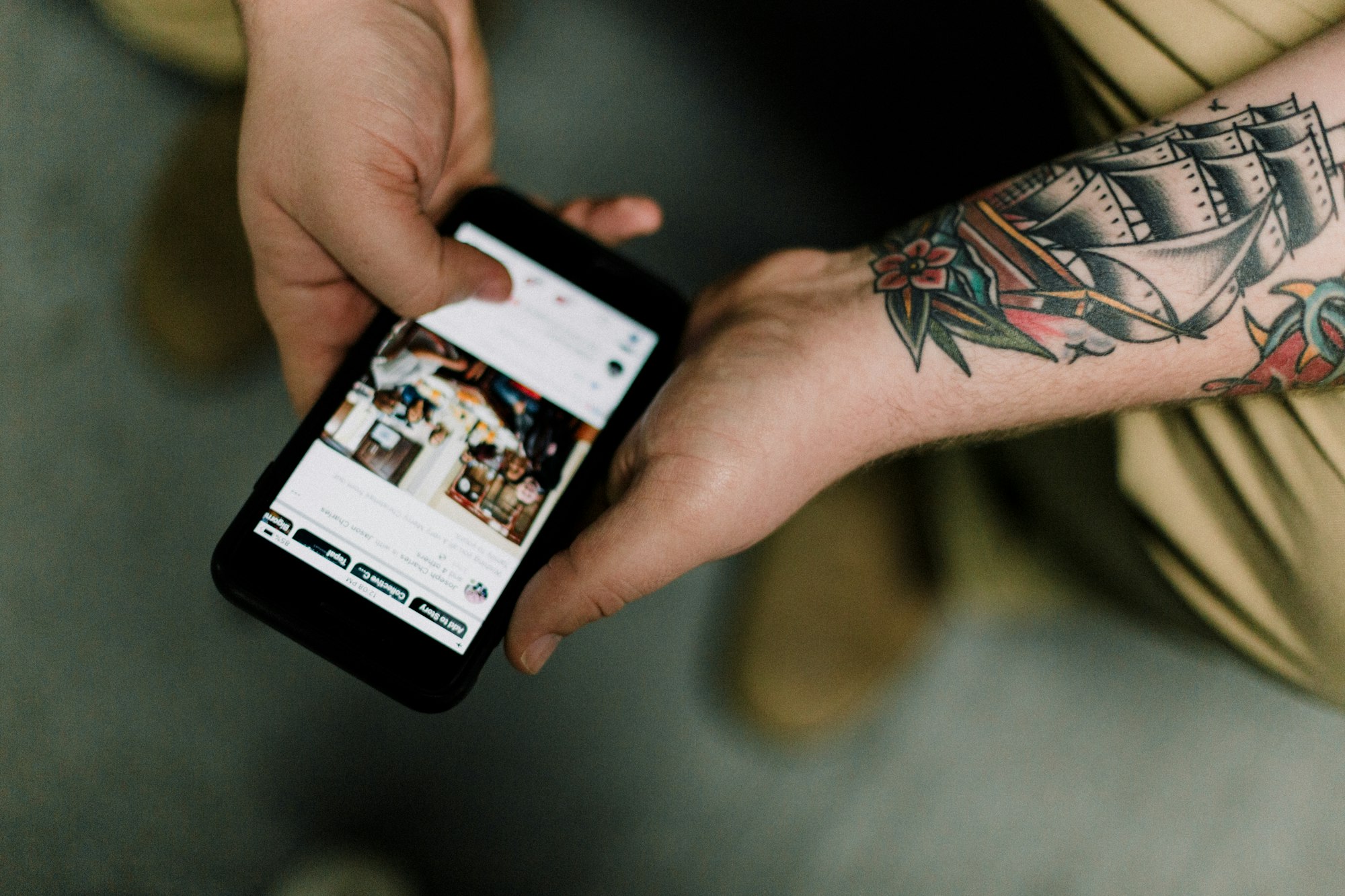
I didn’t realize it was happening until it was too late. One minute I’m lying in bed at 10 p.m., just checking Twitter for five minutes. The next thing I know, it’s 1 a.m., my eyes are burning, I’ve read 47 arguments about something that won’t matter tomorrow, and I feel awful.
This wasn’t occasional. This was every night. The pattern was so predictable it was almost funny: work ends, I’m tired, I pick up my phone “to wind down,” and three hours vanish into a doomscroll vortex. News about climate disasters. Celebrity drama I don’t care about. Hot takes from people I don’t know. Rinse, repeat, sleep-deprived, repeat.
The worst part? I knew exactly what was happening. I understood the dopamine cycle, the algorithmic manipulation, the psychological hooks. I’d read every article about digital wellness. I knew it was destroying my sleep and my mood. And I still couldn’t stop.
For three years, I told myself it was just a willpower problem. I needed to be stronger. More disciplined. Less addicted. But willpower is the worst lever to pull when you’re up against an app designed by hundreds of engineers specifically to make you unable to stop.
Here’s what actually changed things.
The Honest Failure
First, the things that didn’t work, so you don’t waste time on them like I did.
Deleting the apps didn’t work because I’d reinstall them within a week. Uninstalling Twitter felt like I was missing news, uninstalling Reddit felt isolating, and Instagram was just… easier to put back. My brain lobbied hard, and I cracked.
“Just checking once a day” didn’t work because once a day became four times, then I’d lose track, then it became three hours again.
Replacing it with a “better” app (like Mastodon or Bluesky) didn’t work because the problem wasn’t the specific app. It was the behavior. I just transferred my doom-scrolling habit to a different platform. Different interface, same habit.
Meditation apps, breathing exercises, keeping my phone out of the bedroom — all good ideas in theory. In practice, I’d still find the phone, or I’d get it from the kitchen, or I’d rationalize that “just this once” was fine.
What finally worked was weirder and more boring than any of that.
What Actually Worked
I made my phone uncomfortable to use at night.
Not impossible. Just uncomfortable enough that the friction exceeded my evening laziness.
The first move: grayscale. I turned on grayscale mode on my phone and set it to activate automatically at 7 p.m. every evening. Your brain doesn’t realize how much of the pull is visual excitement — those bright colors, the shimmer of someone’s feed, the intensity of it all. Grayscale drains that. Apps become what they actually are: text and buttons, not a neurochemical experience.
That single change cut my evening scrolling by about 40 percent. Not zero. Just less.
Then I uninstalled the apps from my home screen. Not the phone — just the home screen. They went two folders deep into “Archive.” Now when I reach for my phone out of habit, the impulse to open Twitter hits, but instead of one tap, it’s four: unlock, find the folder, find the app, open. That’s enough. That friction is the difference between a reflexive habit and an actual choice.
I also turned off every notification except texts, calls, and calendar alerts. This is the part that surprised me — I wasn’t missing anything. The news will still be there tomorrow. Your work emails can wait until morning. No notification needs to grab your attention at 10 p.m. except genuine emergencies, and those are rare.
Last: I set app time limits. Not gentle suggestions. Hard limits. Instagram gets 30 minutes a day. Twitter gets zero — I use a web version on my computer if I actually need it. When the time’s up, the app closes. No negotiation. The decision is already made, so my tired brain doesn’t have to argue with itself.
That combination — grayscale + friction + no notifications + hard limits — broke the loop.
Why This Actually Matters
You already know that doomscrolling is bad for sleep. You know it tanks your mood. You know the news you’re reading is mostly sensationalized garbage that you have zero ability to influence. You’ve read all the articles. You feel guilty about it.
Guilt doesn’t change behavior. Friction does.
If you hate your evenings because you’re losing them to your phone, you don’t need more discipline. You need a different choice architecture. You need to make the thing you’re trying to avoid slightly harder to do than the thing you’re trying to do instead.
For me, that meant making the phone less rewarding (grayscale), less convenient (buried apps), and less pushy (no notifications). I still use it. I’m not a digital hermit. But I use it on my terms, not on the app’s schedule.
The “mostly” in my title matters though. Some nights I still find myself reaching for my phone. The habit grooves are deep. But now when I do, the grayscale and the folder depth and the app limits actually work. They don’t feel like willpower. They feel like the path of least resistance finally points in the right direction.
Your Move
If you’re losing your evenings to doomscroll, start with just one change. Don’t try to overhaul everything at once.
Pick the one that feels easiest: Turn on grayscale for your evening hours. That’s it. See how it feels for a week. You’ll be shocked how much of the pull is just visual stimulation.
If that sticks, add friction. Move the apps. If that sticks, add limits. Build it slow. Your phone is designed by experts to be addictive — you don’t beat that with willpower alone. You beat it by making the addictive behavior slightly harder than the alternative.
You don’t need to become someone who doesn’t have a phone. You just need to become someone whose phone doesn’t own their evenings.
Start tonight. One change. That’s all you need.
If you’re ready to go deeper on this, I wrote about digital minimalism strategies in 2025 that might help you think through the bigger picture. And if comparison and social media anxiety are part of your scroll trap, understanding why you compare yourself to internet strangers helps you stop blaming yourself for what’s actually a neurological pattern.
For more tactical phone tweaks beyond just managing time, check out the phone settings that genuinely help your productivity.