learning
How to Build a Reading Habit That Doesn't Feel Like Homework
January 11, 2026
Reading doesn't have to be another productivity obligation. Here's how to build a habit that actually feels good — no guilt, no forcing yourself to finish books you hate.
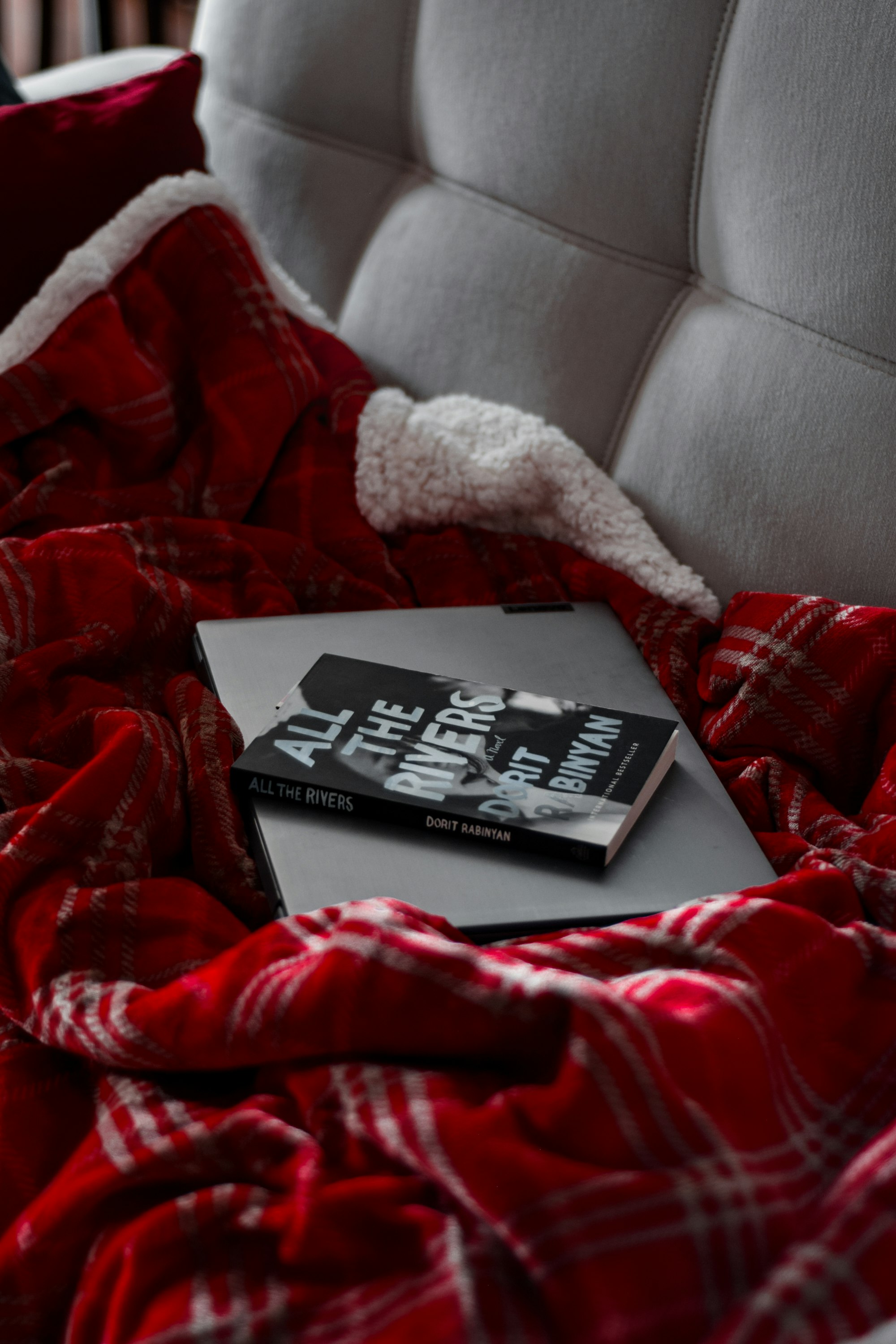
You probably already know reading is good for you. You’ve heard the stats about how it reduces stress, expands vocabulary, makes you think better. But knowing something and actually doing it are different planets.
Here’s the real obstacle: most reading advice treats books like a chore to optimize. “Read 30 pages a day.” “Finish one book per month.” “Track your reading progress.” It’s well-intentioned, but it turns reading — something that should be a break from your day — into another box to check off.
No wonder people quit.
The trick isn’t reading more. It’s reading in a way that sticks because it wants to stick. That means starting stupidly small, removing friction, and giving yourself permission to quit books that don’t work.
Start with 10 minutes, not 10 pages
Don’t commit to finishing books. Commit to the time.
Pick a book that genuinely sounds interesting to you (more on that in a second), grab it, and read for 10 minutes. That’s it. Not “try to read,” not “aim for,” just 10 minutes. Set a timer if you need to.
Here’s why this matters: your brain doesn’t have a reading habit yet. It’s never built one. If you jump straight to “read 30 pages a day,” you’re asking yourself to maintain intensity that doesn’t exist. You’ll hit page three, lose focus, feel like you’re failing, and quit.
Ten minutes is small enough that resistance doesn’t build. You finish, you close the book, and you actually want to come back tomorrow. That feeling — wanting to come back — is everything.
Stop forcing yourself to finish books
This is the biggest one. If you pick up a book and it’s not clicking after 20-30 pages, put it down. Read something else. Come back to it later, or don’t.
The guilt of “abandoning” a book is manufactured. Nobody cares if you didn’t finish it except you. And that guilt is probably why you hate reading — you’re associating books with failure instead of pleasure.
Some books are just not for you right now. Some books are written for other people. That’s not a reflection on you. It’s not “not trying hard enough.” It’s just… not the right fit.
Give yourself permission to be picky. Reading a book you hate teaches you nothing except that you hate that book.
Keep books visible and accessible
If your books are on a shelf in another room, you won’t think about them. If they’re stacked on your nightstand or on a small shelf next to where you sit during coffee, they’ll catch your eye.
Visibility matters more than motivation. The book sitting in front of you is more likely to get picked up than the one tucked away. You’re not fighting your brain this way; you’re using it.
Don’t load yourself with multiple books at once, though. One book on your nightstand, one by your chair. That’s enough.
Pick books based on genuine curiosity, not recommendations
“Everyone’s reading this right now.” “This changed my life.” “You absolutely must read this.”
Ignore all of it.
Pick a book because you want to know what’s inside it. Because something in the description made you pause. Because a friend whose opinions you actually trust mentioned it casually. Because you’re curious about the topic.
Not because it’s trending. Not because it’s “important.” Not because you feel like you should.
The “should” books are where habits die.
Create a trigger, not a resolution
Don’t tell yourself “I’m going to read every day starting Monday.” This almost never works because willpower wears out fast.
Instead, link reading to something you already do. After your morning coffee, grab the book. During your lunch break, read for 10 minutes. Right before bed, pick it up. Pick one moment in your day where you’re already stationary, and that becomes your reading window.
Habits stick when they’re tied to existing behaviors. The coffee is automatic now. The reading just tags along.
Let the pages add up without tracking
Here’s a weird truth: if you’re obsessing over how many pages you’ve read or how many books you’ve finished this month, you’re not actually reading for pleasure anymore. You’re reading for metrics.
Metrics kill the habit because they reframe reading as achievement instead of experience.
Just read. The pages will add up. One day you’ll realize you finished a book and you didn’t even stress about it. That’s the goal.
If you want some accountability, fine — keep a simple list of what you’ve read. But don’t turn it into a scoreboard.
The first book is the most important
You’re building a habit here, which means your first book should succeed. Don’t pick the densest, most challenging book you own. Don’t pick something that’s been sitting on your “should read” list for five years because you feel guilty.
Pick something engaging. Something readable. Something that pulls you forward because you actually want to know what happens next.
If you finish it and loved it, you’ll want to read again. That’s the whole system. Build momentum with the easy win, then challenge yourself later when the habit is solid.
Your move
You don’t need a reading list. You don’t need a reading challenge. You don’t need to know that you’re “supposed to” read 52 books a year.
You need 10 minutes, a book that sounds interesting, and permission to quit if it’s boring.
Start there. Everything else follows.
If you want deeper strategy on how to get to 30 books a year (without making it a grind), I wrote about reading 30 books a year — but that’s only after you’ve built the habit. For now, just pick up a book. Read for 10 minutes. See how it feels.
And if you’re not sure what to read, you might find something useful in books for people who hate self-help books or books to read when you want to change your life.
But really, the best book to start with is the one that makes you curious right now.