Learning
How to Read 30 Books a Year
How to read 30 books a year without speed-reading tricks, fake discipline, or turning your reading life into a spreadsheet punishment.
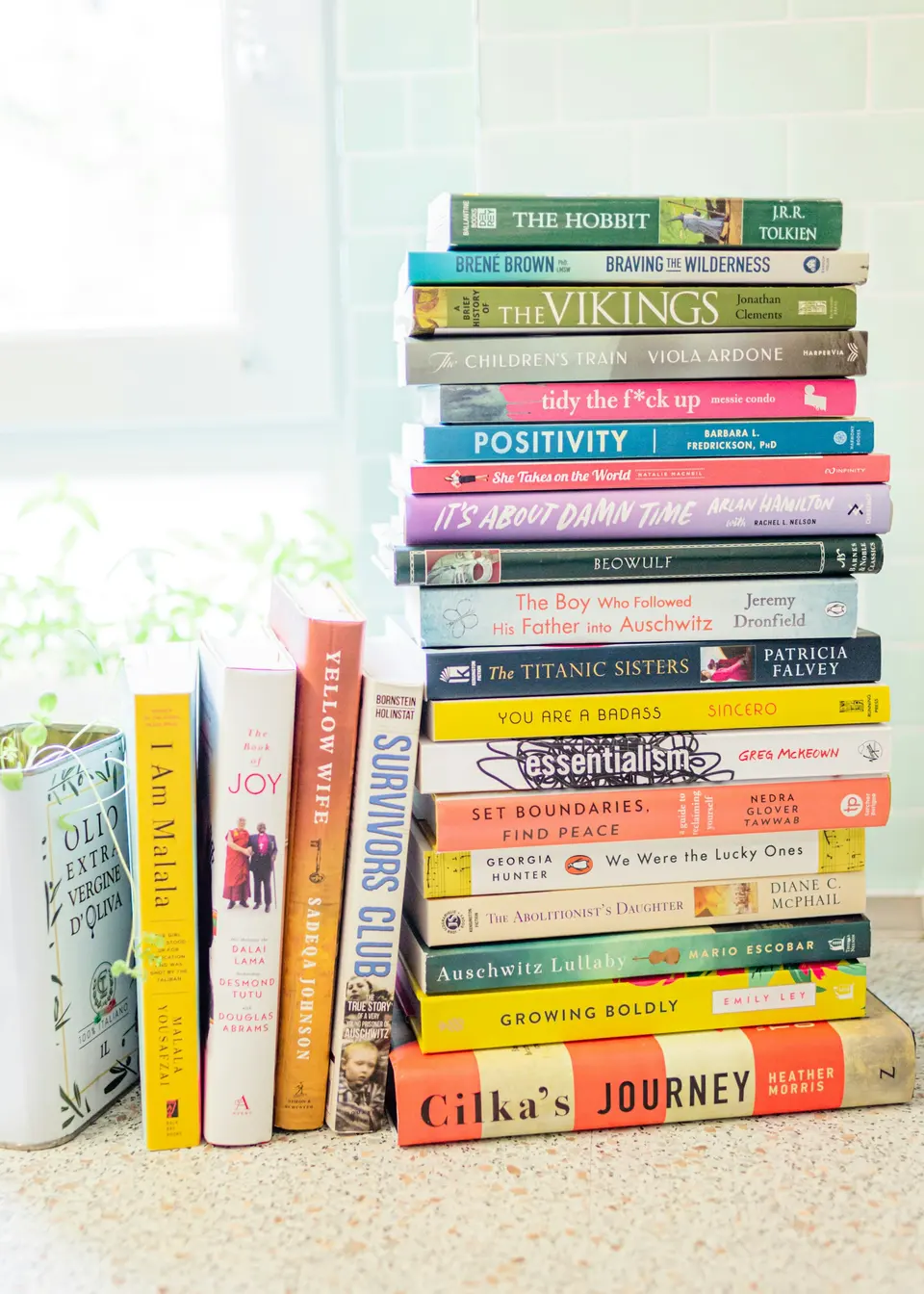
You can read 30 books a year without becoming a speed-reading weirdo.
Good news.
You also do not need to make reading your whole personality.
Even better news.
Thirty books a year sounds big until you do the math.
It is 2.5 books a month.
Roughly one book every 12 days.
Usually 20 to 30 minutes of reading a day, depending on the book and your pace.
You already spend that somewhere.
Probably in a glowing rectangle that keeps making you tired.
No judgment.
Okay, small judgment.
The point is this:
Thirty books is not a talent problem.
It is a structure problem.
Do the math once
The move: Make the goal less dramatic.
Write this down:
30 books / 12 months = 2.5 books per month
2.5 books per month = about 1 book every 12 days
1 book every 12 days = 20 to 30 minutes most days
That is the whole mountain.
Not small.
But not mythical.
The mistake is trying to “find more time.”
Wrong phrase.
You need to move time from one place to another.
Less scrolling.
Less drifting.
Less half-watching something you do not even like.
More book.
That is the trade.
Anchor reading to a daily moment
The move: Attach reading to something that already happens.
Do not rely on “later.”
Later is where habits go missing.
Pick one anchor:
- morning coffee
- lunch break
- commute
- after shutting work down
- before bed
- weekend breakfast
Then write:
After I ______, I read for 20 minutes.That is the system.
Not perfect.
Usable.
If you are starting from zero, use how to build a reading habit first. Ten minutes beats an ambitious plan you hate by Wednesday.
Keep the next book ready
The move: Never finish a book with no next book chosen.
This gap kills momentum.
You finish something.
Feel good.
Then spend nine days choosing the next book.
Then you are no longer reading.
Fix it:
- current book
- next book
- backup easy book
That is the stack.
When one ends, the next one is already waiting.
No decision fog.
No “I need to research my reading list.”
That sentence is how reading becomes shopping with literary branding.
Mix heavy and light
The move: Stop making every book a mountain.
If your 30-book plan is all dense nonfiction, philosophy, literary classics, and self-improvement books that scold you in hardcover, you will probably quit.
Use a mix:
- serious nonfiction
- practical guides
- novels
- memoir
- short books
- rereads
- books that are pure fun
Light books are not cheating.
They keep the habit alive.
Heavy books are not superior if they make you avoid reading for three weeks.
The grown-up move is matching the book to the energy you actually have.
Radical, I know.
Quit bad fits early
The move: Use a 50-page test.
Read 50 pages.
If the book is not working, quit.
No guilt ceremony.
No “but smart people like this.”
No dragging one dead book around for two months because you want to be the kind of person who finished it.
Quit and move.
The goal is not to finish every book you start.
The goal is to build a reading life that survives.
If you want a deeper filter before reading, use the Adler method. Inspectional reading saves you from committing to books that only needed a skim.
Use audiobooks without insecurity
The move: Let listening count when it fits the job.
Audiobooks count for:
- memoir
- narrative nonfiction
- fiction
- history
- rereads
- idea books you do not need to annotate heavily
They are less ideal for:
- dense technical books
- books with diagrams
- books you need to quote
- books requiring slow analysis
Use the format that fits the book.
Do not get trapped in fake purity rules.
The point is learning, enjoyment, and attention.
Not proving you consumed paper with your eyeballs.
Track lightly
The move: Keep a finished list and one note.
Do not build a reading dashboard unless you enjoy dashboards.
Use:
Title:
Finished:
One thing worth keeping:
That is enough.
Tracking should make the habit visible.
It should not become the habit.
If the spreadsheet starts taking more energy than the reading, close the spreadsheet and go outside for a minute.
Your 30-book system
Use this:
- Pick one daily reading anchor.
- Read 20 minutes most days.
- Keep the next book ready.
- Mix heavy and light.
- Quit bad fits after 50 pages.
- Use audiobooks where they fit.
- Track one useful note per book.
Thirty books a year is not about impressing anyone.
It is about returning to books often enough that they become part of how you think.
That is worth 20 minutes.
Advertisement