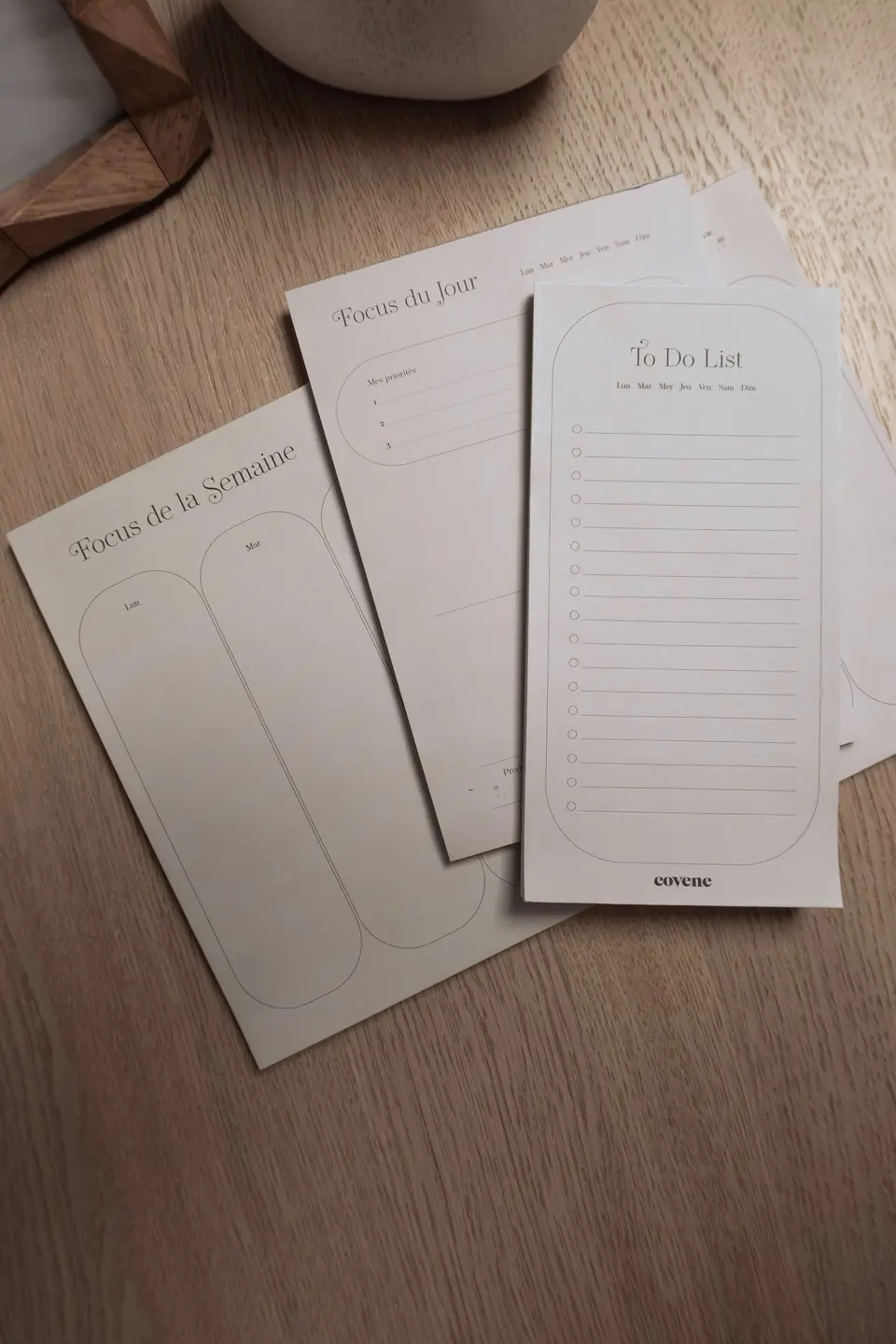
A Weekly Planning Method Based on After-Action Reviews
Use a weekly planning method with four review questions, a worked example, and one calendar change. No elaborate dashboard required.
Hub · Productivity
What survives a real week. And what was always a marketing campaign in disguise.
The productivity industry sells discipline as a product. Most of what it sells does not survive contact with a real week: the meetings that run long, the kid home sick, the client who needs a thing now. The posts on this shelf are filters. What a method asks you to do, where it may help, and what its limits are.
Some of this is about focus: keeping it, losing it, deciding whether the loss is on you or on the platforms quietly engineered to harvest it. Some is about systems. What to write down, what to throw away, what an actual workable to-do list looks like when nobody's grading you. Some is about energy, which the productivity blogs underweight and which usually decides the day.
If you came here looking for a 5 a.m. routine, the door is the other way. If you came here looking for an honest read on what works when you control your own calendar, the rest of the shelf is yours.
102 posts in this hub ·Productivity
Start here
If this is your first time on this hub, these are reasonable entry points.
Use a weekly planning method with four review questions, a worked example, and one calendar change. No elaborate dashboard required.

Try morning micro-habits that reduce practical friction: prepare essentials, choose one priority, and test a smaller routine for seven days.

You read the book and forgot it by Tuesday. Here's how to remember what you learn using active recall and spacing, minus the cramming.

The 10,000-hour rule is mostly a myth. Here's the stripped-down version of deliberate practice a busy adult can actually run.

Your business problems keep repeating because the system is built to reproduce them. Stop treating symptoms. Change the loop.
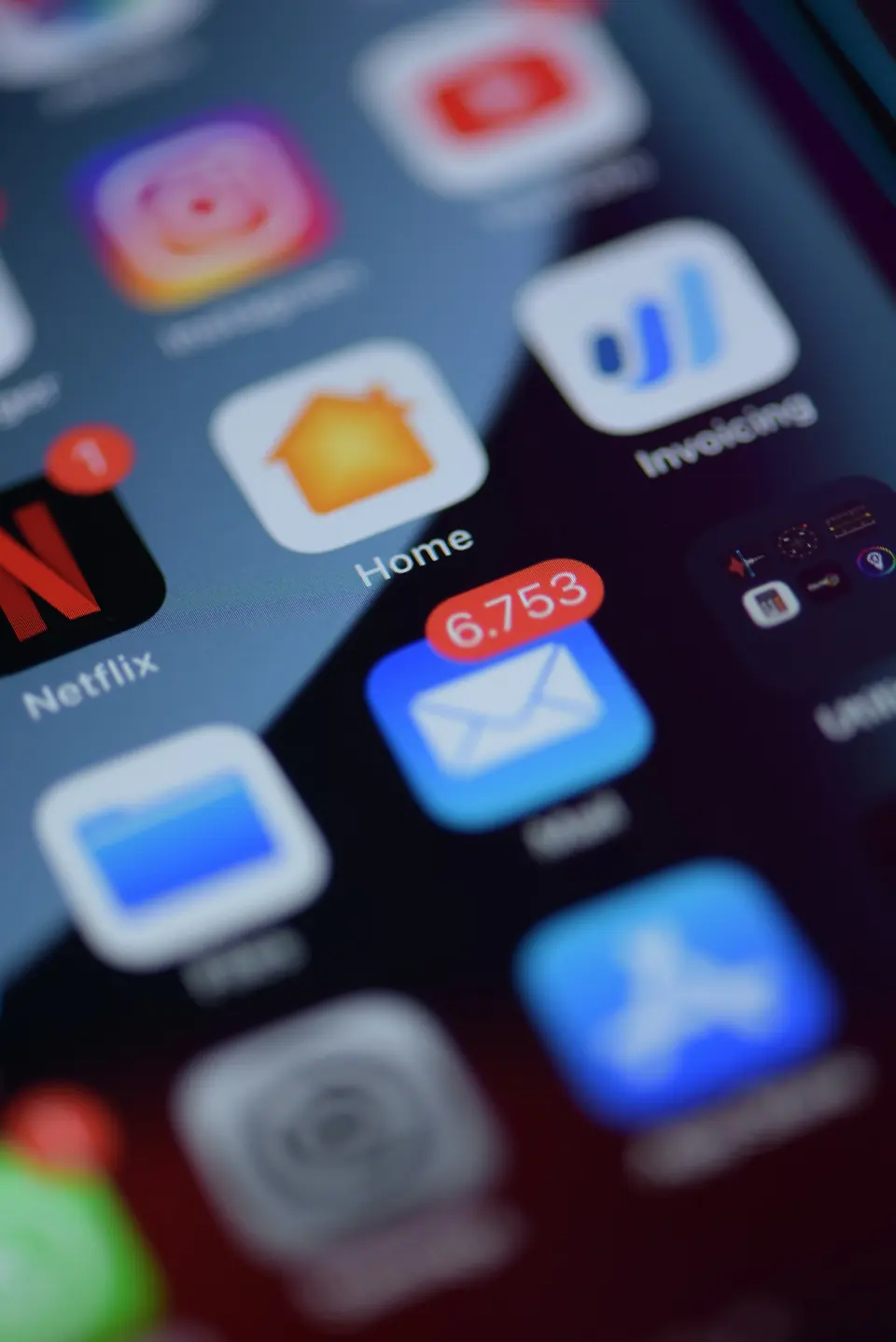
Stolen Focus is not just a phone-shaming book. Hari's stronger point is that attention is being attacked from more than one direction.
More in this hub

Wyner's language method works outside language learning because it forces the two things courses avoid: personal mistakes and spaced repetition.

Use gentle breathing exercises before work as an optional pause, with NHS guidance, safety limits, and no promise of sharper focus.

Matthew Walker's sleep research is not a wellness poster for freelancers. It is a blunt warning: deadline work gets worse when sleep is the budget.

A simple AI workflow for beginners: one chat tab, five boring uses, no automation maze, and no pretending setup is the work.

Using AI to learn new skills works when it drills you. It fails when it performs the skill while you watch.

Your brain sabotages you at work in boring, predictable ways. Here are seven traps, plus the tiny fix for each one.

Try an optional 2-minute awareness practice between tasks. Understand its limits, stop if it feels unpleasant, and keep healthcare separate.

Your brain is predicting your day before you start working. Feed it better inputs or it will build the whole morning from panic.
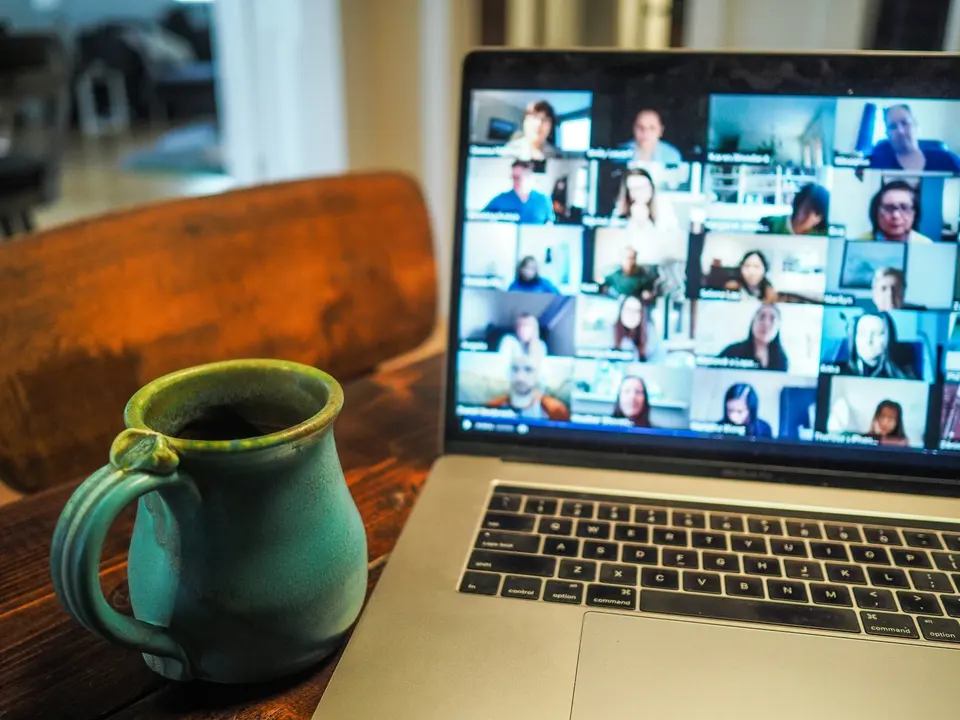
The best AI meeting note-taker is the one that turns calls into decisions, owners, and next steps. Transcripts alone are not enough.

Your brain on cheap dopamine is not broken. It is trained. Reset the loop by adding friction, choosing better rewards, and protecting focus.

You do not need a 2,000-word prompt ritual. Better AI prompts come from context, examples, constraints, and actual judgment.

Use ChatGPT to organize approved notes, draft routine messages, and surface questions. Verify facts and protect client information.