
How to Remember What You Learn (Not Just Hoard It)
You read the book and forgot it by Tuesday. Here's how to remember what you learn using active recall and spacing, minus the cramming.
Archive
Fresh PickyFox essays, guides, quick takes, and tool picks in publishing order.
You read the book and forgot it by Tuesday. Here's how to remember what you learn using active recall and spacing, minus the cramming.

The 10,000-hour rule is mostly a myth. Here's the stripped-down version of deliberate practice a busy adult can actually run.

Skill stacking for a career that lasts is not collecting random abilities. It is pairing useful skills until your work becomes harder to copy.
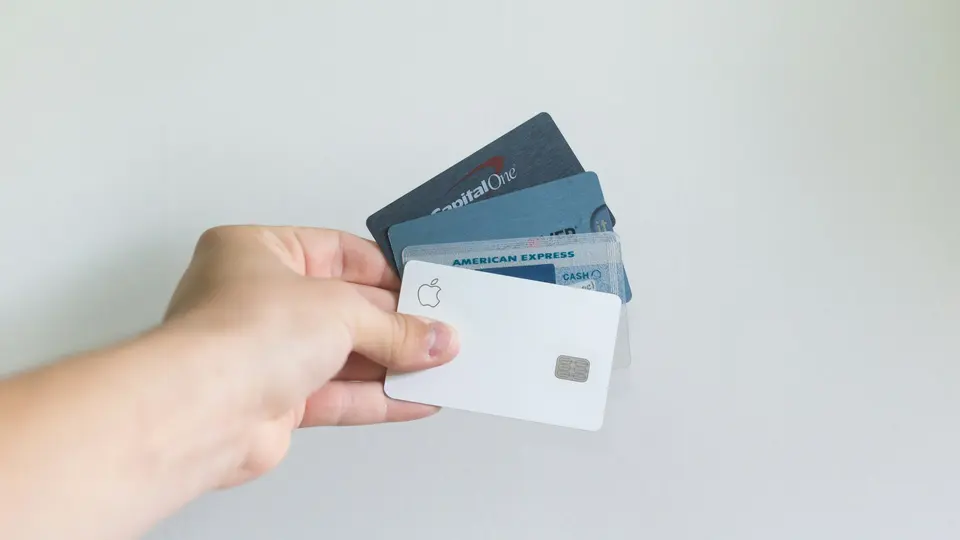
One business bank account for freelancers fixes your taxes, your stress, and your profit blind spot. Set it up this afternoon.

Do I need an LLC as a freelancer? Usually not on day one. Here's what it actually does, what it doesn't, and when it finally earns its keep.

Size an emergency fund for freelancers using essential costs, income gaps, and a worked example. Keep tax reserves separate from your runway.
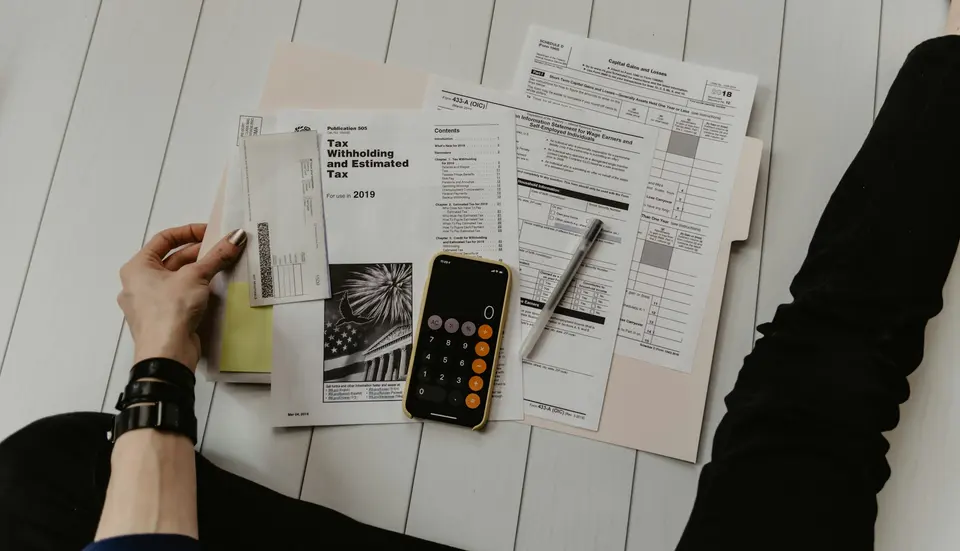
US federal estimated-tax dates for 2026, safe-harbor basics, official payment links, and a routine for keeping your tax reserve separate.

How to pay yourself as a freelancer without letting feast-or-famine income bully your rent, taxes, and nervous system.

Barnum's money rules from 1880 are half useful, half antique furniture. Here is what still works, what rotted, and what can quietly hurt you.

Asking for what you want gets easier when you stop performing confidence and use plain scripts. Here are the words.

Epicurus on the anxiety-free workday is not about doing less for aesthetics. It is about deciding enough, cutting turmoil, and ending work.

Common sense at work is not anti-intellectual. It is often the alarm bell that tells you a clever argument has gone off the rails.