productivity
The Focus Playlist Strategy That Actually Works
March 13, 2026
Why generic focus playlists fail, and how to build one that actually keeps your brain locked in for hours.
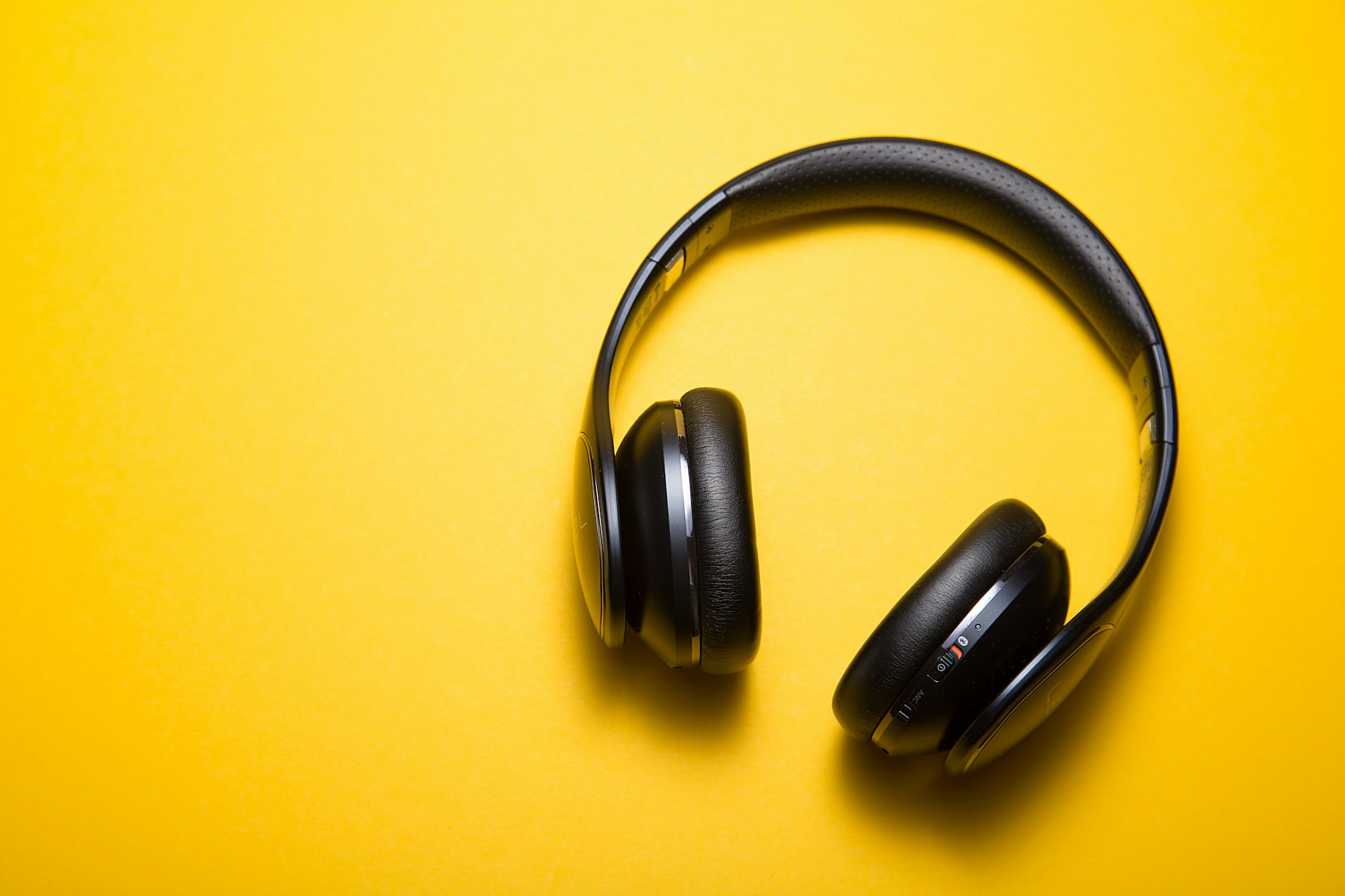
I spent months chasing the perfect focus playlist. You know the ones — the rain sounds mixed with lo-fi beats, the “Deep Work Concentration” collections with 4.9-star ratings, the ambient soundscapes that promised to unlock my brain’s full potential. I’d start each week with a new one, convinced this was finally it.
Then I’d get fifteen minutes in and either lose focus entirely or get so distracted by how artificial the whole thing sounded that I’d just take off the headphones.
The problem wasn’t that music couldn’t help me focus. It was that I was treating music like a universal solution instead of a tool that needs to be shaped around how my brain actually works. Most people do the same thing, which is why the “best focus playlists” fail about as often as they succeed.
The real reason generic playlists don’t work
Generic focus playlists fail because they’re built for everyone, which means they’re built for no one. They try to hit some mythical middle ground where the tempo isn’t too fast or too slow, the instruments are vaguely calming, and there’s enough variation to prevent boredom without being distracting.
Spoiler: that middle ground doesn’t exist. Your brain isn’t wired like everyone else’s, and neither is your workflow.
Here’s what actually matters: how the music interacts with your specific task. If you’re deep in analytical work — writing code, editing copy, working through spreadsheets — you need something completely different than someone doing creative brainstorming. The music that helps me lock in while writing makes it impossible for me to think clearly during a design project.
Most people never test this assumption. They download a playlist, listen to it for three days, and then blame their attention span when it stops working.
Building your own system
The strategy is simple but requires some honest observation. You’re not composing a masterpiece. You’re assembling a map of what actually works for you.
Start with a Google Doc or a notes file. Just title it “Music for Work” or whatever. For the next week, whenever you sit down to do focused work, try one different piece of music or one new playlist. Not the whole thing — just work for thirty to forty minutes with it. Then write down three things: what task you were doing, whether it helped, and specifically what worked or didn’t.
You’ll notice patterns fast. Maybe acoustic guitar kills your focus but instrumental piano locks you in. Maybe silence with occasional ambient sound is better than constant music. Maybe a specific artist’s discography hits different than curated playlists. Maybe you need something upbeat for energy work but mellow for deep thinking.
This is the real work. It’s not glamorous, but it’s what separates people who have “a focus playlist” from people who actually have a working focus system.
The structure that sticks
Once you’ve got a sense of what works, here’s the framework that actually holds: build three micro-playlists, each thirty to forty-five minutes long.
The first is for shallow focus work — emails, admin, tasks that need attention but not deep thinking. Think: slightly upbeat, just enough to keep momentum without stealing your thoughts. The second is your deep work playlist — this is your workhorse, the one that gets you into the zone for real. And the third is for the gray-area work — creative stuff, planning, thinking tasks. Usually different energy than deep work because your brain needs permission to wander a little.
The key is that they’re short enough to feel fresh but long enough to actually get into flow. When the playlist ends, you know you’ve hit a natural checkpoint. Either you keep working with a new one, or you take a break. No mysterious algorithm deciding when to shuffle in a jarring song.
Most people make their playlists too long, which defeats the whole point. A ninety-minute playlist in heavy rotation gets stale in three days. Your brain adapts, and suddenly the music that was carrying you becomes wallpaper.
If you’re serious about this, also consider reading about focus systems that actually survive contact with real life. A good playlist is one part of that picture, not the whole thing. And if you’re interested in how your environment shapes your ability to focus in the first place, your workspace is more important than you think.
The playlist isn’t magic. But when you build it thoughtfully, it becomes something better — a small, reliable tool that knows exactly what your brain needs. And that’s worth the hour it takes to figure out.