life-skills
The Only 3 Habits You Need in January
January 2, 2026
Forget the 12-habit overhaul. Three habits, done consistently, will change your year more than 30 half-hearted ones.
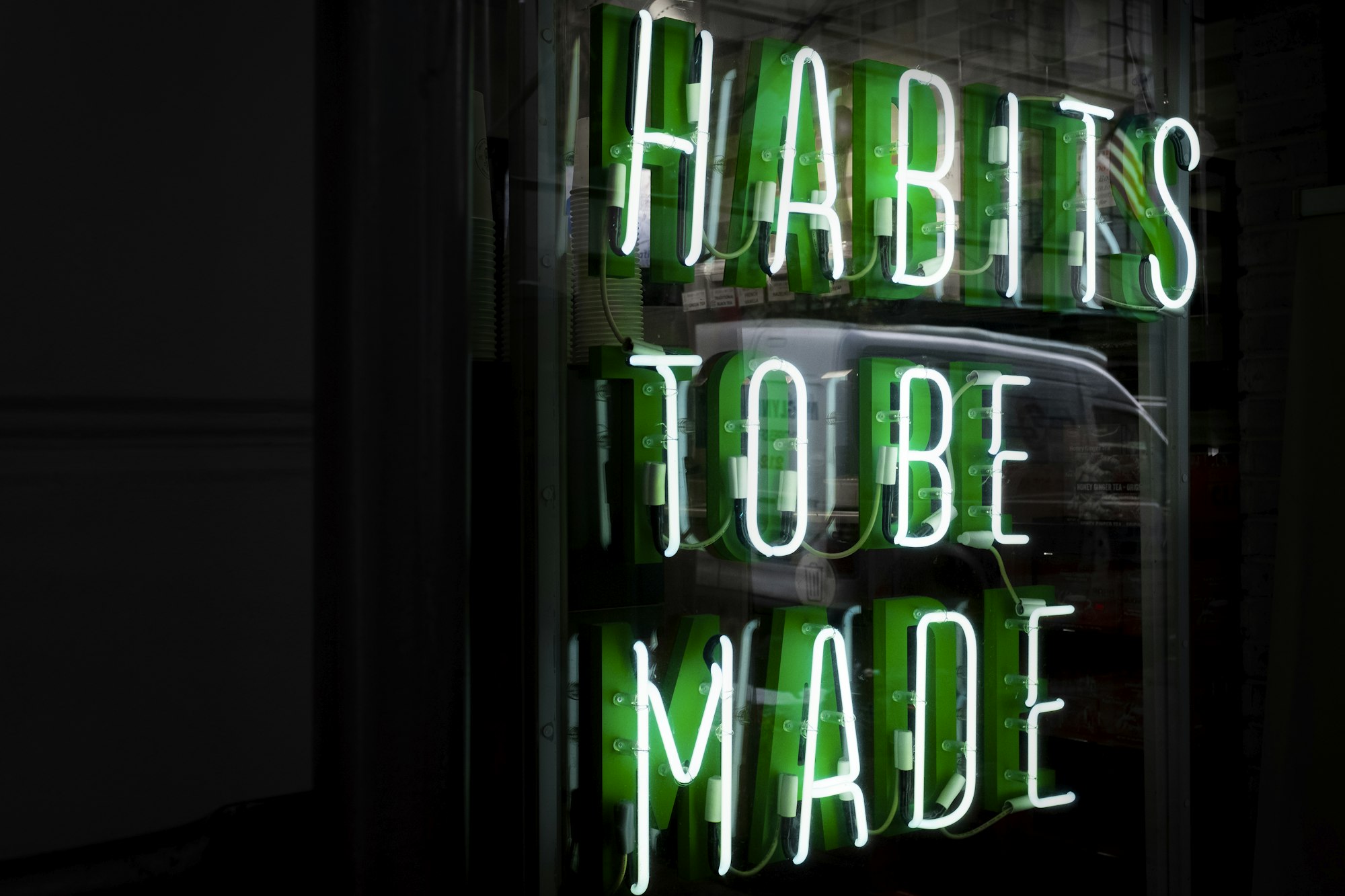
Everyone wakes up on January 1st ready to transform their entire life in 30 days. New morning routine, meditation, journaling, exercise, meal prep, reading, cold showers, dry January, intermittent fasting, and a side hustle. All at once. By January 15th, three of them are abandoned. By February, you’re right back where you started.
Here’s the thing: you don’t need a lifestyle overhaul. You need three habits that actually stick. Not the ones that look impressive on Instagram. The ones that solve your real problems.
1. One non-negotiable movement habit.
Pick something you can do most days without excuses. Not “intense HIIT at 5am” if you hate mornings. Not “run a 5K” if you haven’t run in three years. Walk. Strength train. Dance. Swim. Yoga. Whatever you’ll actually show up for.
The win isn’t the specific activity—it’s building the identity of someone who moves. Once that’s locked in, the intensity and type matter less. Your nervous system calms down. Your sleep improves. You have more mental space. Everything else gets easier from there.
2. One sleep non-negotiable.
Pick one thing and commit to it. Go to bed 30 minutes earlier. No screens after 9pm. A consistent wake time. Don’t try all three at once. One anchor, executed daily.
Sleep is where all your willpower lives. Mess with it, and habits three through twelve all fail. Protect it like it’s the most important project of your year—because it is. Energy management matters more than you think—and sleep is where energy is built.
3. One decision-reduction system.
Your decision-making capacity is finite. Every choice drains it. By 3pm, you’ve got nothing left, so you order delivery, skip the gym, and scroll for an hour. Build one system that cuts decision fatigue.
Meal plan three dinners and repeat them weekly. Lay out clothes the night before. Keep a standing weekly plan. Use a template for common tasks. The system doesn’t matter; the goal is to automate five to ten daily decisions so your brain has fuel for the things that actually matter.
Why three, not thirty
Motivation doesn’t build habits. Consistency does. Consistency requires friction low enough that you can sustain it when willpower evaporates—which it will, probably by Wednesday.
You can also stack these. The movement habit might improve your sleep. Better sleep might give you the mental clarity to stick to your system. Three habits supporting each other beats twelve competing for attention.
Most goal-setting frameworks fail because they’re built on willpower, not design. Three sticky habits work because they’re specific enough to execute and simple enough to survive January.
The meta-habit
Track them. Not elaborately. A simple checkbox. Digital or paper. Just enough proof that you did it. Your brain is wired to notice patterns. Show it a pattern of consistency, and suddenly you’re “someone who does this.” That identity shift is what makes January actually stick.
If you miss a day, do it the next day. If you miss three days, reset your counter but don’t quit. The goal isn’t perfection. The goal is showing up enough that by March, these three feel like breathing, not work.
Start with these three. Master them by March. Then, if you actually want more, layer in a fourth. But most people will find that three foundational habits, executed consistently, rebuild the entire year—because they’re the things that unlock everything else.
The more you add, the more likely you fail. The fewer you add, the more likely they stick. This January, pick your three and prove to yourself that simple beats complicated.
If you’re looking to go deeper on habits, micro-habits and small behavioral shifts are where the real power lives.