Personal Development
Why Most Goal-Setting Frameworks Are Backwards
Most goal-setting frameworks are backwards because they ask you to predict the destination before you have tested the road.
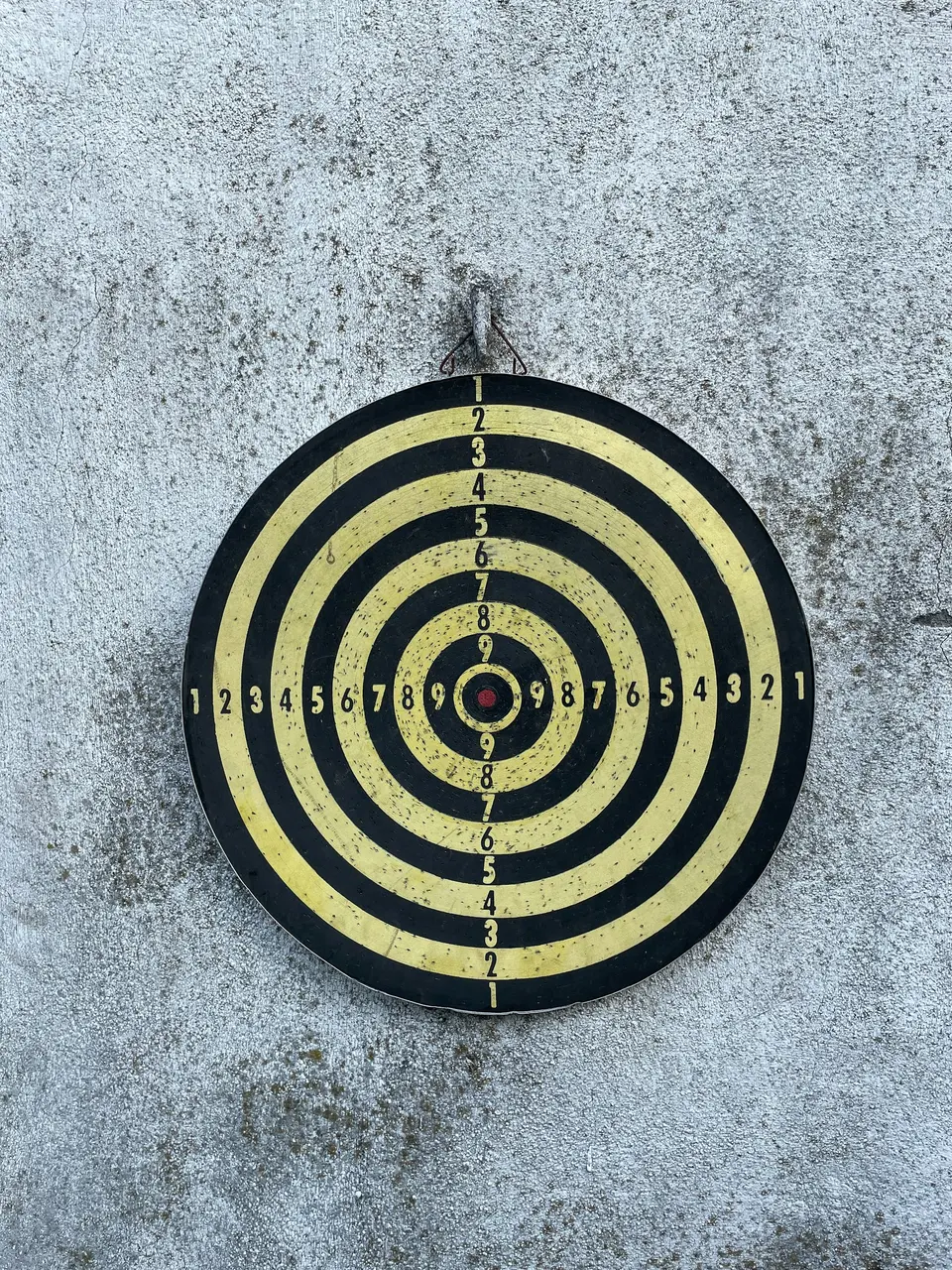
Most goal-setting frameworks are backwards.
They ask you to choose the finish line before you have tested the road.
SMART goals.
OKRs.
Ten-year visions.
Annual themes.
Pretty worksheets with confident boxes.
They all assume one suspicious thing:
You already know what you want.
Do you?
Or did you make a guess on a Sunday night while feeling guilty and caffeinated?
That is the problem.
Most goals are not revealed.
They are tested.
The framework is not the enemy
Frameworks are not useless.
Specificity helps.
“Get healthier” is fog.
“Walk 30 minutes after lunch four days a week” is a thing you can do.
Good.
Use structure.
But do not let structure turn a guess into a commandment.
That is where people get stuck.
They make a goal.
Then they spend months defending it instead of checking whether it still makes sense.
The goal becomes a tiny boss.
Annoying little clipboard. Bad haircut. Very confident.
You do not need that.
You need feedback.
Start with a six-week test
Do not set a forever goal first.
Run a six-week test.
The move: choose a direction, then collect evidence.
Not “I will become a runner.”
Try:
For six weeks, I will walk or jog three times a week and see what this does to my energy, schedule, and mood.
Not “I will build a six-figure newsletter.”
Try:
For six weeks, I will publish one useful email a week and see if I like the work enough to continue.
Not “I will become a designer.”
Try:
For six weeks, I will finish three small design projects and ask for feedback.
This is less dramatic than a giant goal.
Good.
Drama is often where the lie hides.
After six weeks, ask:
- Did I actually do it?
- What did it cost?
- What got easier?
- What got worse?
- Do I want more of this?
- What would make the next six weeks better?
Now you have data.
Not fantasy.
Goals should earn your loyalty
This is the line.
A goal should earn your loyalty through contact with reality.
You do not owe loyalty to the version of yourself who wrote a goal before doing the work.
That person had enthusiasm.
Lovely.
Not enough.
You owe loyalty to what the work teaches you.
If the test shows the goal matters, deepen it.
If the test shows the goal was borrowed from the internet, release it.
If the test shows you like the identity but hate the daily work, be honest.
You did not fail.
You learned before wasting a year.
That is called intelligence. Try it sometime.
Systems before outcomes
A goal is a target.
A system is what you repeat.
Targets are useful.
Systems are where life happens.
If your goal is “write a book,” your system might be “write 500 bad words every weekday before opening email.”
If your goal is “get fit,” your system might be “train Monday, Wednesday, Friday, and walk after dinner.”
If your goal is “save money,” your system might be “move money on payday before your optimism starts shopping.”
The system tells you what to do today.
The goal mostly stands in the corner looking inspirational.
If your daily list is already overloaded, fix that first. Your to-do list can make you less productive because it rewards volume instead of choice. Goal lists can do the same thing with nicer fonts.
The weekly review beats the annual fantasy
Annual planning feels powerful because it lets you imagine a cleaner life.
Weekly review is better because it has to deal with your actual one.
Use the annual plan lightly.
Use the weekly review seriously.
Every week, ask:
- What did I do?
- What did I avoid?
- What surprised me?
- What deserves another week?
- What should be cut?
- What is the next small test?
That is goal-setting with a pulse.
It adapts.
It notices reality.
It does not make you worship a January mood in September.
The 10-minute weekly review is useful because it keeps the planning close to the work. Close to the work is where truth lives.
When big goals help
Big goals are not evil.
They can focus you.
They can pull you through boring stretches.
They can help you say no.
Use them when the direction is already proven.
That is the key.
If you have tested the road and still want it, set the big target.
Run the marathon.
Build the business.
Write the book.
Change careers.
Go.
But if you have not tested the road yet, stop engraving the destination into stone.
Use pencil.
Pencil is underrated.
The better goal-setting framework
Here is the whole thing:
- Pick a direction.
- Run a six-week test.
- Build a tiny repeatable system.
- Review weekly.
- Keep, change, or kill the goal.
- Set bigger targets only after the direction proves itself.
That is less sexy than a giant life plan.
It also works better for actual humans.
If you need help protecting the repeatable part, focus systems for productivity is the next layer. Goals do not matter much if every day is a notification swamp.
The point is not to avoid goals.
The point is to stop obeying goals that have not earned it.
Advertisement