career-work
The Skill That Pays for Itself: Learning to Write Clearly
February 17, 2026
You don't need to be a writer to benefit from writing well. Clear writing is clear thinking — and it pays dividends in every job you'll ever have.
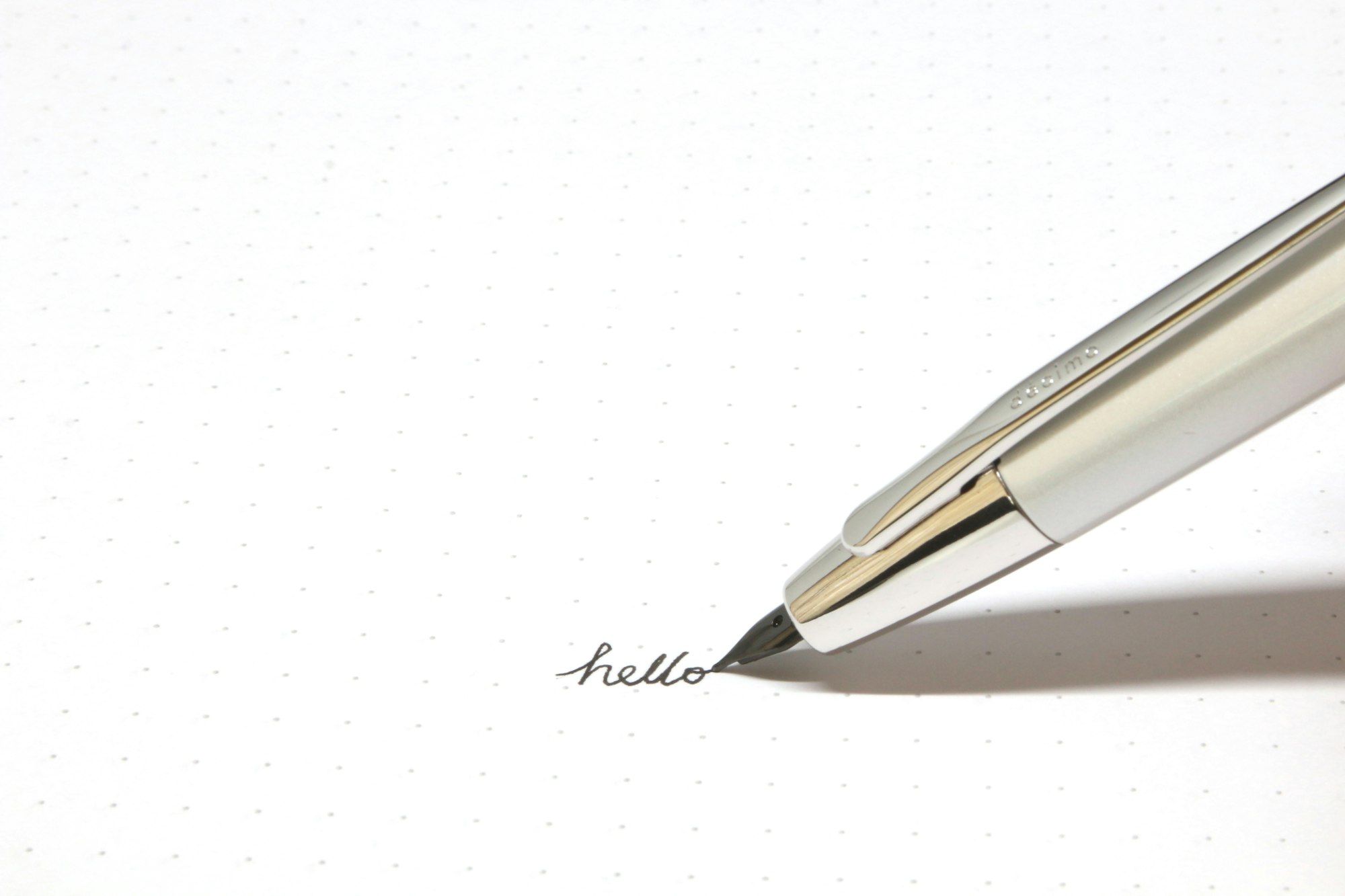
You already know how to write. You’ve been doing it since primary school. But there’s a difference between writing words and writing clearly — and that gap is costing you more than you think.
Every unclear email you send creates a reply asking for clarification. Every muddled proposal loses you a client who didn’t have the patience to decode your point. Every Slack message that could’ve been two sentences but turned into five paragraphs is time stolen from everyone who reads it.
Clear writing isn’t a “nice to have.” It’s the skill that quietly multiplies everything else you’re good at.
Start with what you actually mean
Most bad writing doesn’t come from bad grammar. It comes from fuzzy thinking. If you can’t explain your idea in one sentence, you don’t understand it well enough yet.
Before you write anything — an email, a proposal, a blog post — finish this sentence: “The one thing I need the reader to walk away with is ___.”
If you can’t fill in that blank, you’re not ready to write. You’re ready to think.
This is the part nobody teaches. Writing courses obsess over commas and paragraph structure, but the real bottleneck is upstream. The writer who knows exactly what they want to say will always outperform the writer with perfect prose and a vague point.
Cut the warm-up
Go back to the last email you sent. Read the first two sentences. Now delete them in your head. Does the email still make sense?
Ninety percent of the time, it does — because those first sentences were you warming up. Throat-clearing. Getting comfortable before saying the thing.
Your first real sentence is usually hiding in paragraph two. Start there. Your reader will thank you, mostly by actually reading what you wrote.
I talked about this pattern in how to write when you don’t feel like writing — the trick isn’t waiting for the right words to come. It’s writing the wrong ones first and then cutting them.
Use fewer words (but not fewer ideas)
There’s a difference between being concise and being shallow. Concise means every sentence earns its place. Shallow means you stopped thinking too early.
Here’s a practical filter: after you write something, go back and challenge every sentence. Ask: “Does this add something the reader doesn’t already know?” If the answer is no, cut it. If the answer is “it sounds nice,” cut it harder.
Some things that almost always deserve cutting:
- Qualifiers that hedge your point (“I think maybe it could be argued that…”)
- Sentences that restate what you just said in slightly different words
- Transitions that exist only because you think paragraphs need transitions
The tools in markdown editors and writing tools that spark joy can help here — distraction-free editors force you to focus on the words themselves, not the formatting around them.
Write like you talk (then tighten it)
The easiest path to clear writing: say it out loud first. If you wouldn’t say “per our previous correspondence” to a colleague’s face, don’t write it either.
Conversational doesn’t mean sloppy. It means human. Write the way you’d explain something to a smart friend who doesn’t have context yet. Then go back and remove the “ums” — the filler phrases, the unnecessary qualifiers, the bits where you repeated yourself because you were thinking out loud.
This is how most good writers actually work. The first draft is a conversation with yourself. The second draft is editing that conversation for someone else.
The real payoff
Clear writing doesn’t just help people understand you. It helps you understand you. The act of forcing a messy thought into a clean sentence is thinking itself. It’s not the output of thinking — it’s the process.
This is why writing clearly makes you better at everything. Better at selling, because you can articulate value without jargon. Better at managing, because your instructions don’t need a decoder ring. Better at deciding, because writing forces you to confront the gaps in your logic.
You don’t need to become a writer. You just need to stop writing on autopilot. If you’ve ever been told how to write an email that actually gets a response, you know the difference one clear sentence can make.
One sentence, one idea, one draft at a time. Start with the next email you send.