Content & Creativity
How to Write When You Don't Feel Like Writing
How to write when you don't feel like writing: lower the bar, write the ugly draft, and separate drafting from editing.
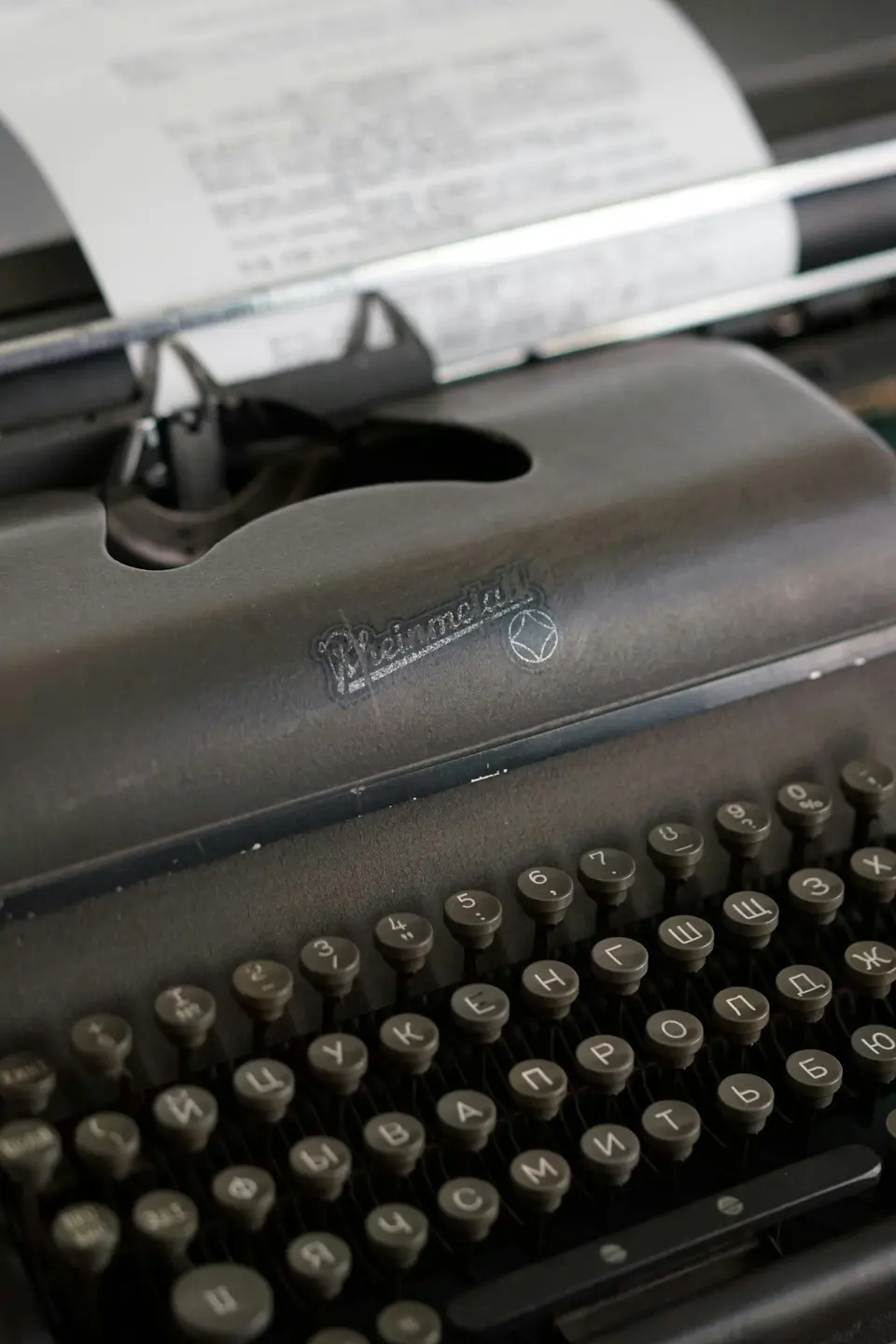
You do not need to feel like writing.
Terrible news for the part of you waiting for a clean emotional runway.
The feeling usually shows up after you start.
Not before.
So stop negotiating with the blank page like it owes you confidence.
Set a timer.
Write the ugly version.
Then fix it.
That is the system.
Stop waiting for the writing mood
The move: Treat mood as a bonus, not a requirement.
Before writing, your brain imagines:
- bad sentences
- public judgment
- no ideas
- too many ideas
- the piece being useless
- the piece being secretly important
Very dramatic.
Mostly not helpful.
The page feels scarier before words exist.
Once words exist, even bad ones, you have something to work with.
So the first job is not to write well.
The first job is to make the page less empty.
Start with the ugly draft
The move: Write the version you would normally delete.
Use:
This is the bad version.
It only has to exist.
Then write.
Do not polish.
Do not reread every sentence.
Do not stop because the first paragraph sounds like wet cardboard.
Fine.
Cardboard can be edited.
Nothing cannot.
Write:
- the obvious version
- the clumsy version
- the too-direct version
- the list of half-thoughts
- the sentence you are embarrassed by
You are not publishing this draft.
You are mining it.
Separate drafting from editing
The move: Do not let the editor sit in the room too early.
Drafting asks:
What am I trying to say?Editing asks:
How should this be shaped?Different jobs.
If you combine them too soon, you write one sentence, hate it, rewrite it, hate that one too, and quit.
Congratulations, you did not write.
You held a tiny trial for every sentence.
Try this:
- Draft for 15 minutes.
- Walk away for 5 minutes.
- Highlight anything usable.
- Move the usable parts into order.
- Edit only after there is enough material to edit.
If focus is the bigger problem, deep work strategies can help you protect the writing block. But do not read that before writing today. Nice try.
Use boredom as a warning light
The move: If the piece bores you, change the angle.
Bored while writing?
Your reader may be bored reading.
Do not quit immediately.
Ask:
- What part am I avoiding?
- What do I actually believe here?
- What would I say if I were not trying to sound polished?
- What is the blunt version?
- What example makes this real?
Often the boring draft is hiding the honest draft.
Go there.
The safe version may be grammatically fine.
It may also be dead.
Use a 15-minute floor
The move: Commit to time, not quality.
Set a timer for 15 minutes.
Rules:
- no research
- no formatting
- no tabs
- no fixing the title
- no checking one quick thing
Just words.
When the timer ends, you may stop.
Really.
The point is not to trap yourself into a three-hour session.
The point is to prove that starting is survivable.
Most days, you will keep going.
Some days, you will not.
Both count.
Keep a capture list
The move: Give future-you something to start from.
When you get an idea, write the ugly seed:
Topic:
Point:
Example:
Why it matters:
That is enough.
Do not build a whole note-taking cathedral.
Just leave handles for tomorrow.
If you keep getting stuck between ideas, the 2-list strategy is useful. Put messy ideas on the capture list. Put active pieces on the working list. Stop pretending every thought deserves a full project immediately.
Your writing reset
Do this now:
- Open the document.
- Write
This is the bad version. - Set a 15-minute timer.
- Write without editing.
- Highlight the usable lines.
- Stop or continue, but do not call the day a failure.
You are not waiting for the feeling.
You are creating the conditions where the feeling might show up.
And if it does not?
Fine.
You still wrote.
That is the part that matters.
If reading helps refill the tank, how to build a reading habit pairs well with a writing habit. Input feeds output. Just do not hide in input forever.
Advertisement