health-wellness
Why Gratitude Journals Feel Cringe (And How to Make Them Not)
December 15, 2025
Gratitude journals sound nice until you actually do them. Here's why they feel fake, and how to use them without the soul-crushing performative positivity.
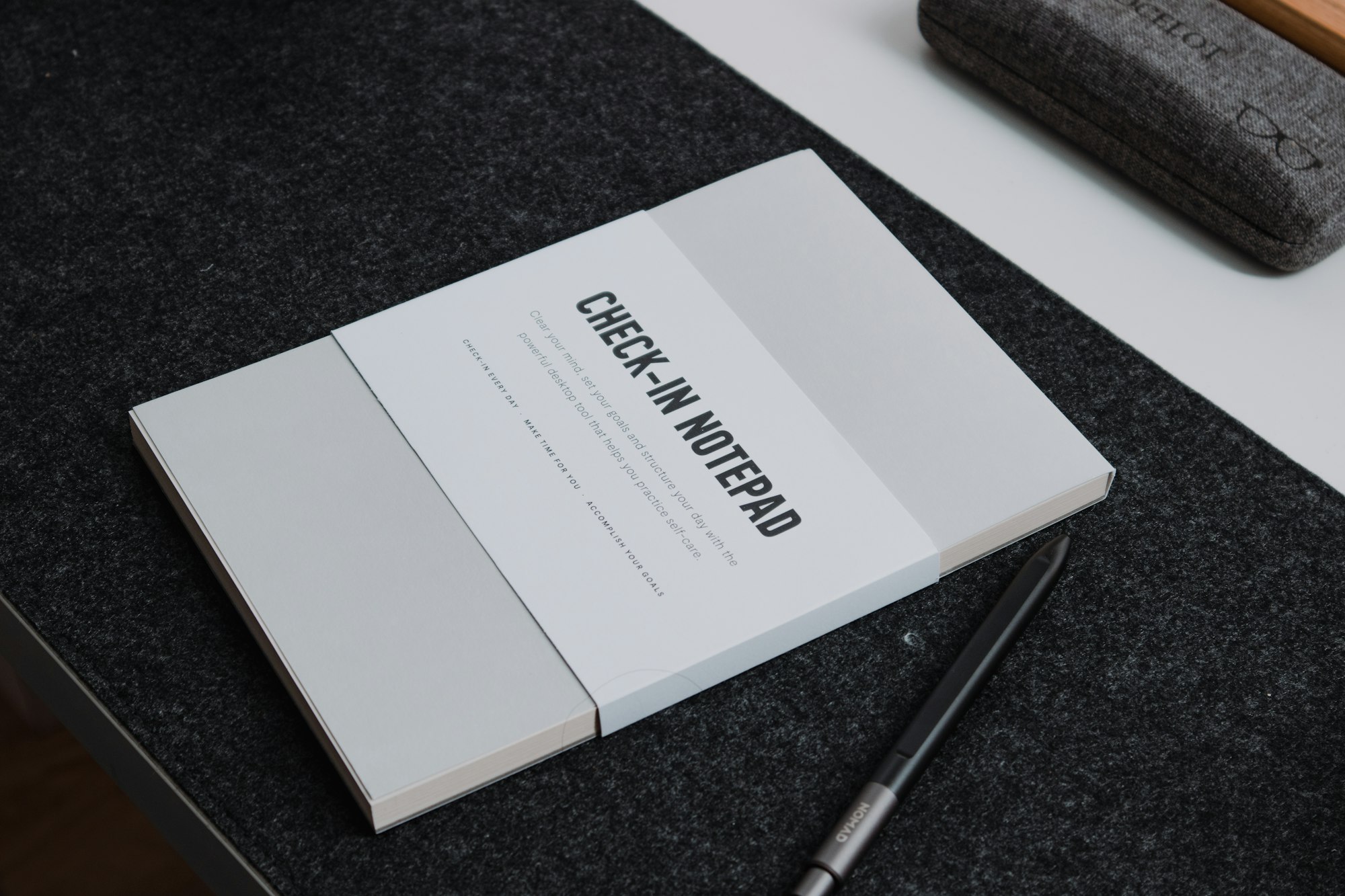
Gratitude journals are everywhere. Life coaches sell them. Self-help books mandate them. Instagram influencers document their nightly gratitude practice while their perfectly lit apartment glows in the background.
So you buy one. Decent notebook, expensive pen, genuine intention to start a new habit. You write three things you’re grateful for that day.
And by day four, something feels really, really wrong.
You’re sitting there forcing yourself to think of gratitude when honestly, you’re tired and the day was pretty mediocre and your third item is “I’m grateful for this pen” because you’ve already said coffee and shelter and you’re running out of ideas.
This is cringe. And you know it’s cringe. And the cringe is exactly the problem.
Why Gratitude Journals Usually Fail
The premise is solid. Research shows that practicing gratitude actually shifts your baseline mood and improves resilience. The neuroplasticity is real. But—and this is important—the research is about genuine gratitude, not performative gratitude. There’s a huge difference.
Most gratitude journal advice treats it like a mindset hack. “Write three things you’re grateful for every night and your brain will reprogram!” But your brain isn’t stupid. It knows when you’re lying to it. And forcing yourself to feel grateful about things you don’t actually feel grateful about? That’s lying. Your nervous system can tell.
That’s why it feels cringe. Because it is cringe. You’re performing gratitude the way you perform happiness at work parties.
The secondary problem: the scope is too big. “Write three things you’re grateful for” means you’re automatically drawn to the big, obvious stuff. Shelter. Food. People you love. Which is fine, except you write those same three things on repeat until your journal reads like a corporate motivational poster.
By week two, your brain has checked out. You’re writing gratitude on autopilot, which defeats the entire point. You might as well be affirmations. At least affirmations are honest about being fake.
The Confessional Part
I’ll be straight: I used to hate gratitude journals. I bought three beautiful notebooks over the years. Each lasted maybe a week before I abandoned them with guilt.
The shame was real. Here’s this science-backed habit that everyone says works, and I couldn’t even stick with it for ten days. There was something wrong with me, I thought. Other people seemed to genuinely appreciate this practice. Why was I so broken that I couldn’t feel grateful?
Here’s what I didn’t understand: I wasn’t broken. The journals were just set up to fail.
The real turning point came when I stopped trying to force big gratitude and started paying attention to tiny, weird, honest things. Not “I’m grateful for my family” (true, but I’ve written it 247 times). More like “I’m grateful my coffee was hot today and not lukewarm garbage” or “I’m grateful my neighbor didn’t play loud music” or “I’m grateful I didn’t send that email I almost sent at 11 PM.”
Suddenly it wasn’t a chore. I was actually noticing things. Small things. Real things. The kind of observations that don’t feel like performance.
And something shifted. I started having fewer days where I genuinely couldn’t find anything to appreciate. Because when you lower the bar from “profound gratitude” to “noticed something small that’s not terrible,” the practice becomes sustainable.
It’s not the gratitude journal industrial complex sells. But it actually works.
How to Do Gratitude Without the Cringe
Reset the Scope
Stop trying to find three big things. Find one small, specific thing. Not “I’m grateful for my health.” More like “my shoulder didn’t hurt when I reached for coffee this morning” or “someone held the door and didn’t make me feel invisible” or “my wifi worked without randomly dying.”
Specific beats profound. Specific is believable. Specific means you actually noticed something instead of performing gratitude.
Some days the thing will be genuinely trivial. “I’m grateful my toast wasn’t burned.” Great. Write it down. Your brain will actually register it.
Make It Honest, Not Inspirational
You’re not trying to become a more grateful person. You’re trying to train yourself to notice good moments instead of only noticing problems. That’s it. That’s the whole thing.
So write like you talk. Not “I’m profoundly grateful for the opportunity to enjoy my morning beverage.” Just “good coffee today.” That’s the whole entry. Done.
The cringe disappears when you stop trying to sound like a personal development guru in your own journal.
Add the Negative (If You Need It)
Here’s a weird hack: some days, instead of writing what you’re grateful for, write what didn’t go wrong. “Grateful I didn’t lose my keys.” “Grateful no one canceled on me.” “Grateful the project didn’t completely fall apart.”
This works when positive gratitude feels forced. It’s still genuine—you’re actually relieved those things didn’t happen. And it trains the same pattern recognition. Your brain starts noticing small wins by absence of loss.
Do It Fast
Thirty seconds. Not more. You’re writing one sentence, maybe two. If you’re sitting there agonizing over what’s gratitude-worthy, you’ve already lost. The point is to notice something real, write it, move on.
This is similar to how effective stress management works—small, consistent practices beat elaborate rituals you’ll abandon. A thirty-second gratitude note you actually do beats a five-minute journal entry you quit after week two.
Skip It When It Feels Fake
If you genuinely cannot find one thing that feels true to appreciate today, don’t write something fake. Skip it. Your journal doesn’t need to be perfect. Missing days is fine. Forcing gratitude is not.
This is the vulnerability part: some days are just hard. On those days, the practice isn’t about finding gratitude. It’s about being honest that the day sucked and you don’t have the emotional capacity to manufacture appreciation. And that’s okay. Tomorrow is a different day.
Why This Actually Works (Even Though It Feels Minimal)
The research on gratitude isn’t about forced positivity. It’s about training your attention. Your brain’s default mode is problem-seeking. That’s evolution—problems kill you, so your brain gets good at spotting threats. This is useful for survival. It’s terrible for mood.
Gratitude practice rewires this by literally training you to notice good things. Not to pretend bad things don’t exist. Just to also notice the non-bad things.
When you practice with genuine small observations instead of manufactured big ones, your brain actually accepts it as useful data. You’re training real attention, not performing feeling.
Over time, that changes your baseline. You’re not more grateful in the Instagram sense. You’re more aware. You notice coffee that tastes good. You notice when someone’s kind. You notice when something goes right. And that awareness genuinely does shift your mood.
But it only works if you’re honest about it.
The Real Practice
Write one small, true thing you noticed today that wasn’t bad. That’s it. Not “three things.” Not “write with purpose and intention.” One small true thing. Do it right before bed so you’re not adding it to an already crushing morning routine (like the problematic perfect morning routine we should all stop chasing).
Do it for two weeks. Not because gratitude gurus say so, but because that’s how long it takes for a new pattern to feel normal. If it still feels cringe after two weeks, stop. Try something else.
If it feels slightly less cringe, keep going. Let it evolve. Maybe you add a second small thing. Maybe some days you skip it. Maybe you realize you don’t actually need to write it down—you just start noticing it mentally. All of those are fine.
The goal isn’t to become the gratitude journal person. The goal is to stop exclusively noticing problems and start also noticing the small things that are working.
That’s it. Everything else is just marketing.
You don’t need to be more grateful. You just need to be more honest. And from there, everything else follows.
Looking for more anti-corporate approaches to personal habits? Check out how micro-habits actually changed mornings for a different take on building sustainable practices, or explore why perfect routines fail and what works instead.