personal-development
Why I'm Not Setting New Year's Resolutions (And What I'm Doing Instead)
December 3, 2025
I've broken every resolution I've ever made. So this year, I'm trying something different — and it's embarrassingly simple.
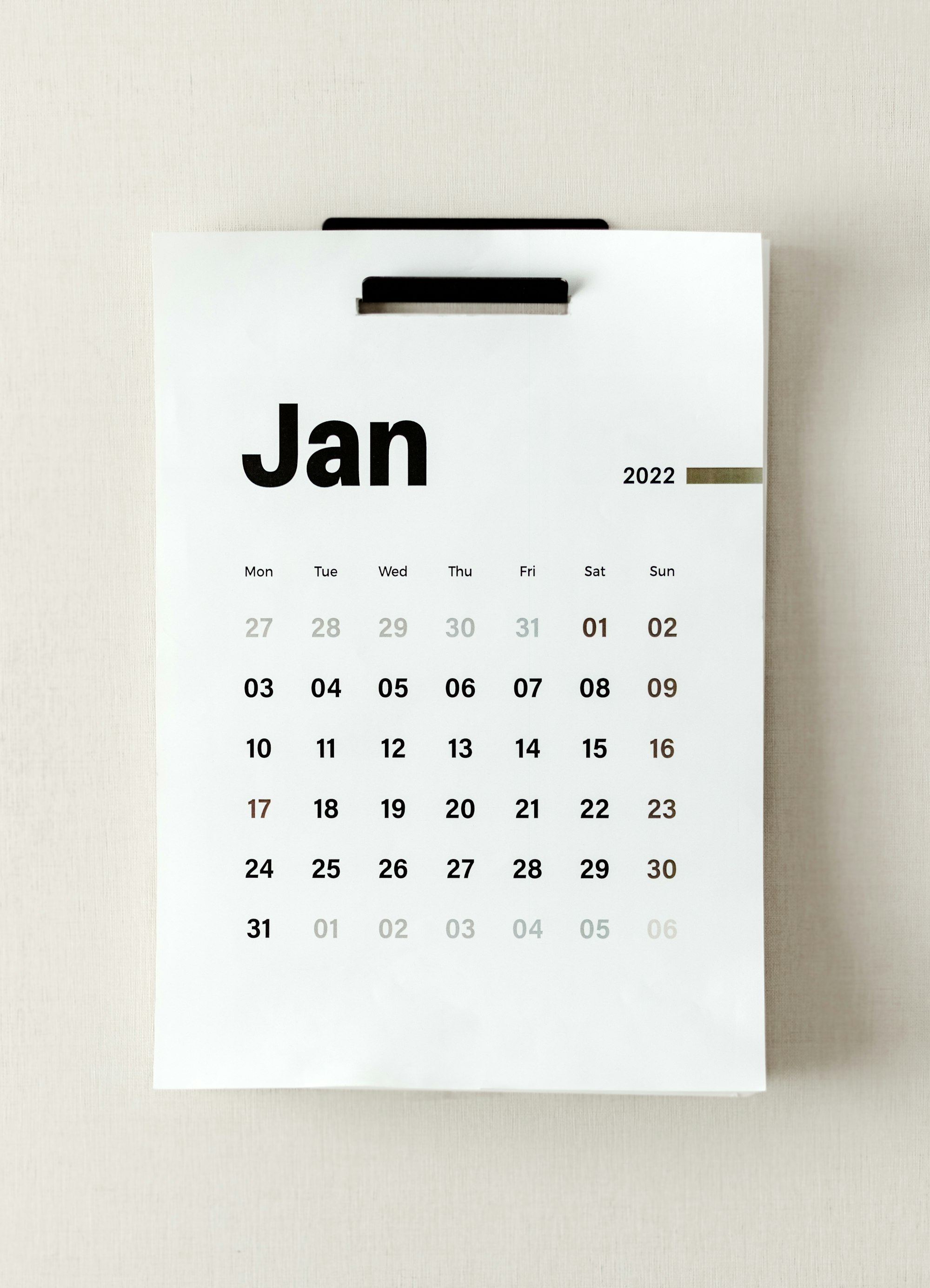
I’m going to be honest: I’ve never kept a New Year’s resolution.
Not once. I’ve set them religiously every January 1st for nearly two decades. I’ve written them in journals, printed them on my wall, shared them with friends for accountability. And by mid-February, they were forgotten. By March, I’d stopped thinking about them entirely. The shame would set in around July—that vague sense of failure I’d bury until December rolled around and I’d make the same promises to myself again.
This year is different, but not because I found the secret to willpower or motivation. It’s different because I finally stopped lying to myself about what I actually want.
The problem with New Year’s resolutions isn’t execution. It’s not that you’re lazy or undisciplined. It’s that resolutions are arbitrary anchors in an arbitrary moment. We decide on January 1st that we’ll run five times a week, read 50 books, save $10,000, cut sugar, meditate daily. These goals arrive fully formed, disconnected from any real understanding of who we are or what would actually change our lives. We’re responding to a calendar event, not to genuine desire.
I’ve spent this past month doing something quieter: I’ve been thinking about what the next year should feel like.
Not what I should accomplish. Not what I should weigh or earn or check off. But how I want to move through the world. What kind of person I want to be when I’m making decisions in March, in September, in November. That question is harder than “run more” but also strangely freeing.
For me, that feeling is about intentionality. I want to be someone who says no more often. Who builds systems instead of relying on motivation. Who reads deeply instead of collecting information. Those aren’t resolutions in the traditional sense—they’re more like themes. Or a direction.
The brilliant part is that once you have a direction, the specific actions clarify themselves. If I’m committed to saying no more often, then what I don’t do becomes as important as what I do. If I’m building systems, I stop looking for productivity hacks and start looking for sustainable rhythms. If I’m reading deeply, I don’t need a goal of 50 books—I just need fewer books and more attention.
This approach actually lets you course-correct throughout the year without feeling like a failure. You’re not breaking a resolution; you’re recalibrating the direction. It’s permission to be honest about what’s working and what isn’t, in real-time, instead of pretending everything’s fine until January 1st comes back around.
I’m not saying throw out all structure. There’s real value in understanding how goal-setting actually works, and small targets keep you honest. But maybe this year doesn’t need to be the year you become unrecognizable. Maybe it just needs to be the year you become more intentional about who you already are.
The specifics matter less than you think. What matters is whether you’re building momentum or grinding against resistance. Whether you’re building small improvements that compound or chasing novelty. Whether your life is being shaped by your choices or by inertia.
So I’m not setting resolutions this year. I’m setting a theme, and then I’m going to watch what unfolds when I actually pay attention to the people I want to become—not some improved version I think I should be. That feels radically honest, and strangely, that honesty might be the only thing that actually works.
If you’ve been stuck in the same resolution cycle, the real reason you keep starting over might be worth examining. Or maybe you’d benefit from the quiet power of doing less instead.