Books
Books That Are Worth the Hype (And Books That Aren't)
Some popular books deserve the attention. Others are fine, but not urgent. Here is the no-drama sorting guide.
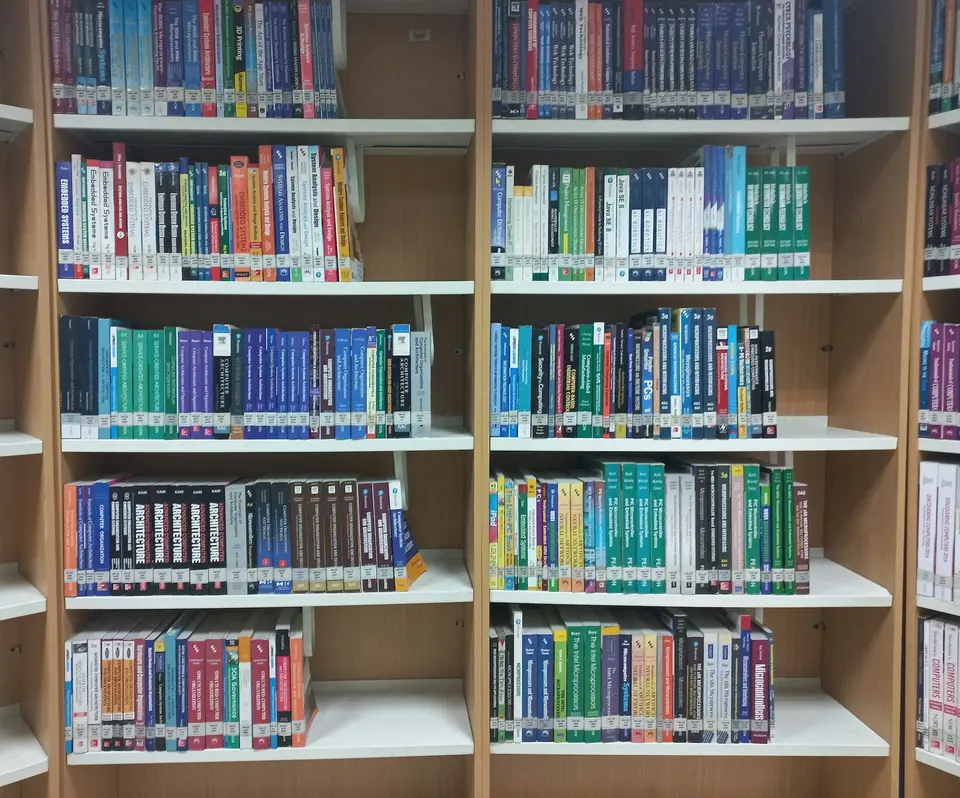
Some hyped books deserve it.
Some are fine.
Some are mostly shelf theater.
That is the whole problem.
The internet treats every popular book like it either changed civilization or personally insulted your family.
Relax.
Most books are in the middle:
Useful for the right person. Forgettable for the wrong one. Overpraised by people who need affiliate links.
Here is my sorting rule:
A book is worth the hype if it changes what you notice or what you do.
Not if it sounds smart.
Not if everyone on a podcast owns it.
Not if the cover looks good beside coffee.
What changed after reading it?
That is the test.
Worth the hype: Atomic Habits
Yes, it is everywhere.
Still worth it.
James Clear did the rare thing: he made behavior change practical without making it cartoonishly simple.
Cue. Craving. Response. Reward. Identity. Environment.
Clean. Usable.
Why it earns the hype: It gives you moves you can apply the same day.
Examples:
- Make the habit obvious.
- Make it easier.
- Attach it to an existing routine.
- Change the environment before blaming willpower.
This is not a book you read to feel deep.
It is a book you read to change one behavior.
Good.
Read now if you are trying to build or break a habit.
Read books like Atomic Habits that go beyond it when you hit the next layer.
Worth the hype, but slow: Thinking, Fast and Slow
Daniel Kahneman’s book deserves its reputation.
It also deserves your patience.
This is not an airport book you half-read while checking messages.
The core value:
It makes your thinking suspect in the useful way.
You start seeing:
- Anchoring
- Availability bias
- Overconfidence
- Loss aversion
- The stories your brain invents after the fact
Why it earns the hype: It changes how you interpret your own certainty.
That is a big deal.
But do not read it first if you need quick tactics.
Read it when you are ready to go slow.
For a more practical decision shelf, use books about decision-making when the stakes are high.
Worth the hype: Four Thousand Weeks
Oliver Burkeman’s book is not a productivity system.
Thank goodness.
It is a direct attack on the fantasy that you can manage your way into doing everything.
You cannot.
You have limited time.
Choose.
That sounds obvious until you notice how much modern work is built on pretending it is not.
Why it earns the hype: It changes the question from “How do I fit more in?” to “What am I willing to leave out?”
That question is healthier.
Also more annoying.
Read this if productivity advice has made you busier and sadder.
Worth the hype: Range
David Epstein’s Range is the book I would hand to a smart generalist who feels guilty for not being a narrow specialist.
It does not say specialization is bad.
It says broad experience can matter more than people admit, especially in complex and changing environments.
Why it earns the hype: It gives generalists a better story about their path.
Not an excuse to dabble forever.
A better story.
Use it to understand what your varied experience has taught you, then do something with that range.
If this is your struggle, books for people starting over at any age pairs well.
Worth the hype for money brains: The Psychology of Money
Morgan Housel’s book works because it treats money as behavior.
Not just math.
Not just market knowledge.
Behavior.
Luck, risk, time, ego, enough, comparison, fear, patience.
All the stuff that actually drives money decisions while spreadsheets sit there looking innocent.
Why it earns the hype: It makes you less smug about money.
Good.
Smug money thinking is expensive.
Read it if you know the basics but keep making emotionally expensive choices.
Then read books about money mindset for the fuller shelf.
Useful, but over-assigned: Deep Work
Cal Newport’s Deep Work is a good book.
The hype can make it sound like a universal cure.
It is not.
The core point is excellent:
Focused, cognitively demanding work matters, and shallow work will eat your day if you let it.
Yes.
Correct.
The caveat:
Many people do not control enough of their calendar for the clean version of deep work.
Parents. Managers. Support roles. Freelancers with client gravity. People in chaotic workplaces.
Verdict: Read it if you need conviction about focus.
But pair it with reality.
Use what deep work misses about real freelance life or books that actually build focus when the clean theory hits your messy calendar.
Read later, not first: The 7 Habits of Highly Effective People
Stephen Covey’s book has useful bones.
It is also long.
Very long.
The principles are solid:
- Be proactive
- Begin with the end in mind
- Put first things first
- Think win-win
- Seek first to understand
Good.
But for many readers, the same useful ideas arrive faster elsewhere now.
Verdict: Foundational, not urgent.
Read it if you enjoy classic frameworks and patient prose.
Skip it for now if you need a sharper tool today.
Read with caution: Rich Dad Poor Dad
This one is complicated.
It has helped many people question the employee-only money script.
It also oversimplifies a lot and can push people toward vague “assets good, liabilities bad” thinking without enough nuance.
The useful part: Think about cash flow, ownership, and financial education.
The risky part: Treating the book like a full money plan.
Do not.
Use it as a spark, not a map.
Then move to better financial books and official education sources.
If money is the goal, start with books that will actually make you financially smarter.
Mostly shelf signal: books you buy to seem like the type
This is a category, not one title.
You know the type:
- Bought because a founder mentioned it
- Bought because the cover looks serious
- Bought because you wanted to become “the kind of person who reads it”
- Opened twice
- Quoted once
- Never applied
No shame.
Actually, a little shame.
Useful shame.
The move: Ask what job the book is doing.
Is it teaching you?
Or decorating an identity?
If it is identity decor, stop pretending.
Read something you will use.
My hype test
Before reading a popular book, ask:
- What problem am I trying to solve?
- Does this book solve that problem?
- Is there a shorter or more practical book first?
- What would change if I actually used it?
- Am I reading this or collecting status dust?
That last one is rude.
Useful.
The bottom line
The bestseller list is not your reading plan.
Use hype as a signal, not a command.
Read the popular books that change behavior or perception:
- Atomic Habits
- Thinking, Fast and Slow
- Four Thousand Weeks
- Range
- The Psychology of Money
Read the useful classics when they match the job.
Skip the books that only make you look like a reader.
Your time is limited.
Very inconvenient.
Choose books that earn it.
Advertisement