Books
Books About Uncertainty: Questions Before Decisions
Explore three perspectives on uncertainty and decisions. Separate unknowns, assumptions, and consequences without promising relief from distress.
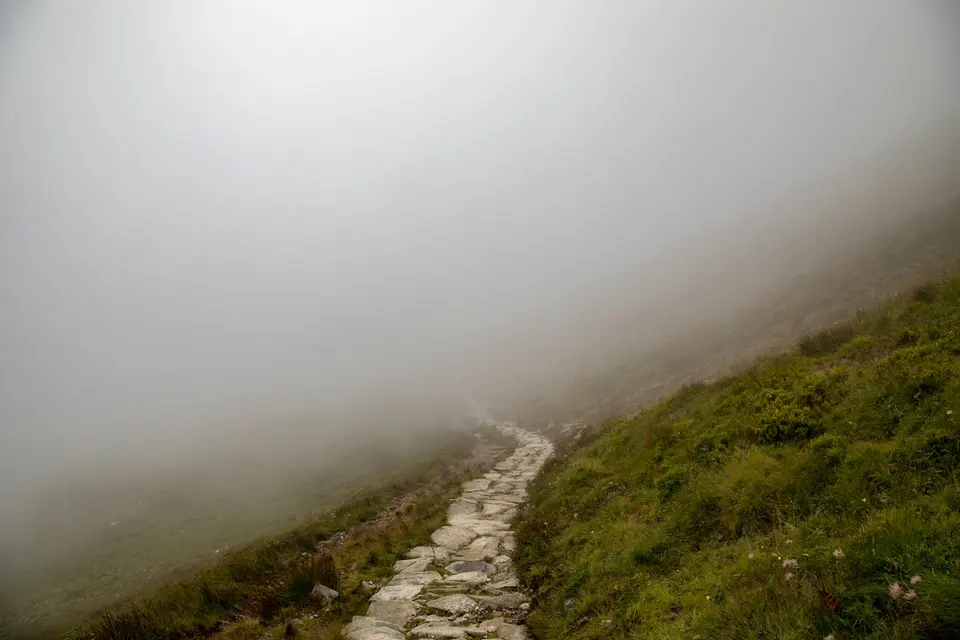
Uncertainty can call for more information, a limited experiment, professional advice, or a decision to wait. These books offer ways to examine it. They do not establish that moving sooner is always better.
Correction, September 22, 2026: The previous version invented personal benefits and dismissed some needs for healing or clarity as avoidance. This source-based shortlist removes those claims and any promise to reduce suffering.
The descriptions use official book pages rather than a claimed personal reading history. The exercises below are PickyFox suggestions, not tested methods for treating distress or guaranteeing good outcomes.
Thinking in Bets, by Annie Duke
The publisher describes decision-making with incomplete information and outcomes affected by luck.
A question to consider: Which uncertainty can you reduce before the deadline, and which will remain? List the source you would need for each answer. Avoid assigning precise probabilities simply to make the plan look rigorous.
A hypothetical career choice may involve a known salary, uncertain workload, and unknown future promotion prospects. Those deserve different confidence levels. Keep an unsupported expectation from becoming a fact in your comparison.
Finite and Infinite Games, by James P. Carse
Carse’s publisher presents a philosophical distinction between winning a bounded contest and continuing a form of play.
A question to consider: Which part of the decision has a definite finish, and which part concerns an ongoing activity? Completing a course is a bounded task; continuing to learn is a different aim.
The distinction can suggest a perspective, but it does not make commitments reversible. A contract, relocation, or financial obligation can have lasting consequences even within a long career. Identify those consequences directly.
Antifragile, by Nassim Nicholas Taleb
The publisher introduces an argument about disorder, uncertainty, and systems that can benefit from volatility.
A question to consider: What happens if the important assumption is wrong? Map the affected people, resources, and obligations before calling a plan resilient.
Do not infer that stress is always healthy or that every risk creates learning worth its cost. A small experiment needs a meaningful limit on downside, and some tasks should not be tested casually at all.
Use a decision note with room for unknowns
Write the choice, the known facts, the assumptions, the missing information, and the consequences of waiting. Add the person or source qualified to answer the questions you cannot assess.
Then choose an appropriate next step. It might be a conversation, a small reversible trial, or a pause. Needing support or more time is not evidence of cowardice. Books about uncertainty are not substitutes for care when distress is interfering with life.
For reviewing a past choice, use decision quality and outcomes. For a setback, see books about failure. The book advice questions help keep a philosophical idea separate from a claim of proven benefit.
Advertisement