Health & Wellness
How to Stay Consistent With Exercise: Start Smaller
Stay consistent with exercise using a realistic starting plan, a backup slot, and gradual progress toward adult activity guidelines.
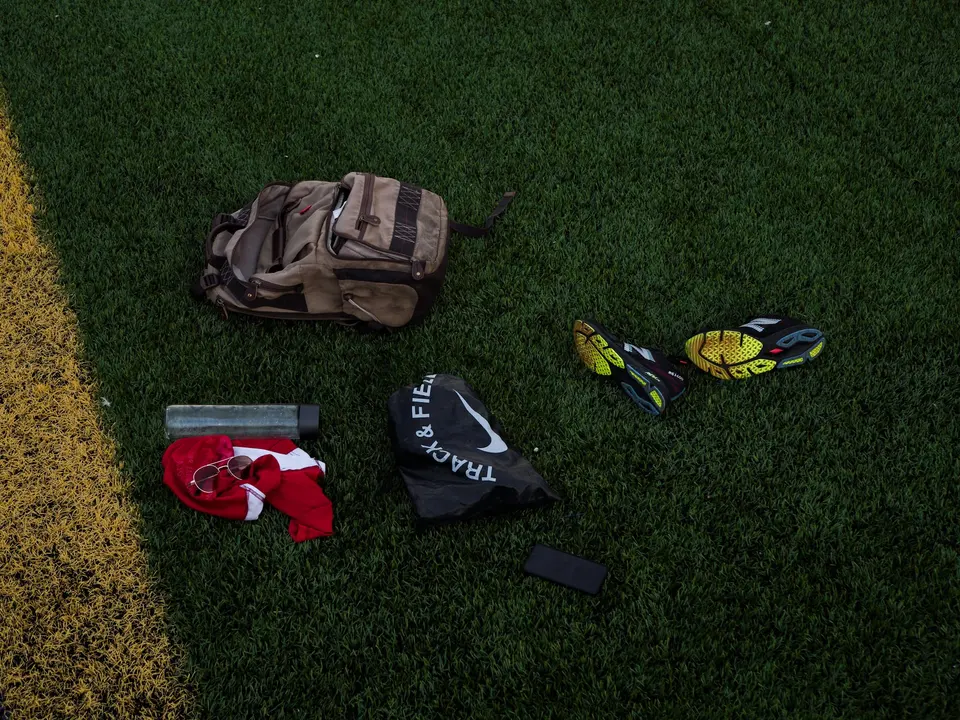
To stay consistent with exercise, make the next session specific: what activity, where, and when. A vague promise to “get fit” has too many escape routes.
Correction, September 21, 2026: An earlier version presented years of failed workouts and a successful routine as personal experience. Those claims were not supported and have been removed. This is a sourced planning guide, not a training diary or an individualized exercise prescription.
Stay consistent with exercise without confusing small with sufficient
Starting small and meeting activity guidelines are different milestones.
The CDC’s adult guidance calls for at least 150 minutes of moderate-intensity aerobic activity per week, or 75 vigorous minutes or an equivalent mix, plus muscle-strengthening activity on at least two days. Activity can be divided into shorter sessions.
Five minutes is a possible starting point. It is not a replacement for that weekly guidance. The CDC recommends starting slowly and building up.
Your appropriate starting activity depends on your health, mobility, and circumstances. Get individualized advice if an illness, injury, disability, or symptoms make the plan uncertain. Do not push through pain to protect a streak.
Write a plan that can survive Tuesday
Pick an activity you can access without a new purchase. Then name the slot and the backup.
Hypothetical starting plan:
| Decision | Example |
|---|---|
| Activity | A comfortable walk or accessible alternative |
| Primary slot | After lunch on Monday, Wednesday, and Friday |
| Starting duration | Five minutes, if appropriate for the person |
| Backup | The same activity after work if lunch gets interrupted |
| Review | Check feasibility after a week, then adjust gradually |
This example tests scheduling. It does not claim that three short walks meet the full guidelines or that everyone should use the same progression.
Put shoes or other equipment where you will use them. Choose the route beforehand. You are removing decisions, not buying a new personality.
The micro-habits guide uses the same small-start planning idea for everyday routines.
Track the obstacle, not just the tick
A completed-session count cannot explain why a plan broke. Keep a small log:
Planned activity:
What happened:
What made starting difficult:
One adjustment for next time:
If every missed session lands during school pickup, change the slot. If the trip to the gym is the barrier, consider a more accessible option. If pain is the barrier, get advice rather than shrinking the spreadsheet cell until the problem disappears.
Keep recovery in the plan. The guide to rest can help you think about workload, but it does not replace clinical advice about symptoms or exercise.
Resume without a punishment session
Missing a planned session gives you information. It does not create a debt you must repay with an oversized workout.
Return to an appropriate activity, review what got in the way, and adjust one thing. Increase the plan as your capacity allows. A short scheduling experiment cannot establish long-term adherence or prove a health outcome.
Today, choose the next activity and its backup slot. That is a more useful commitment than buying the perfect routine and waiting for a perfect week.
Advertisement