Business & Entrepreneurship
Starter Pack: Launching a Side Project in a Weekend
Launch a side project in a weekend by cutting scope until the thing can actually exist by Sunday night.
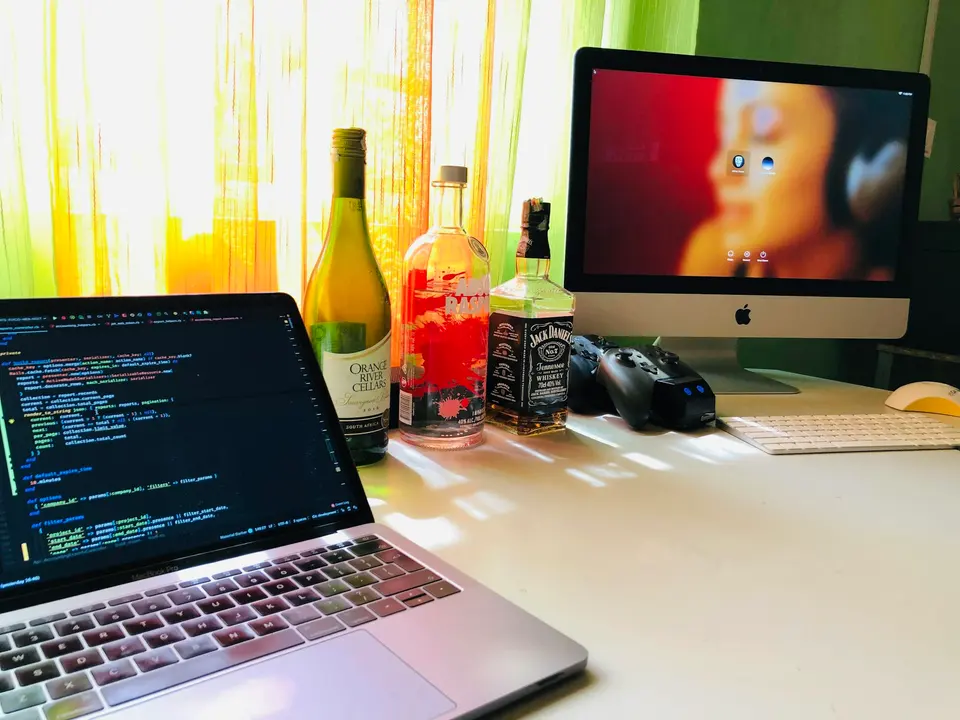
You can launch a side project in a weekend.
You cannot launch your entire personality in a weekend.
That is where people mess this up.
They start with a small idea. Then the idea grows arms. Dashboard. Login. Payments. Newsletter. Community. Analytics. Mobile app. Founder’s note. Waitlist. Logo. Brand system.
By Sunday night they have a Figma file, a headache, and no URL.
Do not build the fantasy.
Build the smallest useful thing.
Pick one job
The move: Write one sentence that starts with “This helps people…”
Examples:
- This helps freelancers price a small project.
- This helps writers turn notes into outlines.
- This helps remote workers plan a better morning.
- This helps readers compare two tools quickly.
If your sentence has “and” in it, cut the second half.
Weekend projects die from scope pretending to be ambition.
One job.
One user.
One useful outcome.
If you are still deciding what to build, the side project selection guide will save you from marrying a doomed idea.
Define the ugly version
The move: Decide what counts as “live” before you start.
Not good.
Live.
For a weekend project, live might mean:
- one landing page
- one working form
- one calculator
- one downloadable file
- one email signup
- one public demo
- one tiny database
You are allowed to be embarrassed.
In fact, a weekend launch should feel a little embarrassing. That is how you know you did not hide inside polish for 19 hours.
The ugly version should still work.
Ugly is fine.
Broken is not.
That distinction matters, and the “just ship it” warning exists because people love using speed as an excuse for sloppy work.
Friday: remove decisions
Friday is not for ambition.
Friday is for reducing the number of ways you can sabotage yourself.
Do this:
- choose the tech you already know
- choose the simplest hosting path
- pick one font
- pick one color
- write the one-sentence promise
- list the core flow on paper
Then stop planning.
No new tools.
No redesign.
No “while I am here” features.
“While I am here” is how weekend projects become archaeology.
Saturday: build the core
The move: Spend Saturday on the part that makes the project real.
If it is a calculator, the math must work.
If it is a directory, the listings must exist.
If it is a guide, the guide must be readable.
If it is a generator, the output must be useful.
Everything else is furniture.
Your logo is furniture.
Your about page is furniture.
Your perfect animation is furniture wearing a tiny crown.
Build the thing people came for.
Sunday: make it usable and public
Sunday is not “add features” day.
Sunday is “make this survive contact with another human” day.
Check:
- does the page load?
- does the main action work?
- does the copy explain the point?
- does it work on a phone?
- is there a way to contact you or join a list?
- can someone use it without texting you for instructions?
Then publish.
Not almost publish.
Publish.
Send the link to five people.
Post it somewhere small.
Make it real enough that feedback can hit it.
The weekend rules
Keep these close:
- No refactoring unless something is broken.
- No second feature.
- No branding rabbit hole.
- No research after building starts.
- No pretending “private beta” means anything if nobody can see it.
- No rebuilding the stack because you got nervous.
You are not proving that the project is a company.
You are proving that you can move an idea from your head into the world.
That skill is worth more than one tidy repo.
After launch
On Monday, do not immediately rebuild everything.
Look at what happened.
Ask:
- Did anyone understand it?
- Did anyone use it?
- What confused people?
- What did I hate building?
- What still feels worth another weekend?
Then decide.
Maybe you improve it.
Maybe you kill it.
Maybe it becomes a tiny useful thing and stays that way.
That is allowed.
Not every side project needs a TED Talk and a seed round.
If your projects keep dying after the first burst, read why side projects die. The cause is usually not laziness. It is scope, unclear payoff, and a project that was more fun to imagine than to maintain.
Do this now
Write your weekend launch sentence:
By Sunday night, this will help [person] do [one job].
Fill it in.
Then cut one feature.
Then cut another.
Launch the side project in a weekend by making it small enough to survive the weekend.
That is the whole trick.
Advertisement