Content & Creativity
Starter Pack: Making YouTube Videos (Without Expensive Gear)
You don't need a $3,000 camera or a lighting rig to start making YouTube videos. Here's everything you actually need - and it probably costs less than your phone.
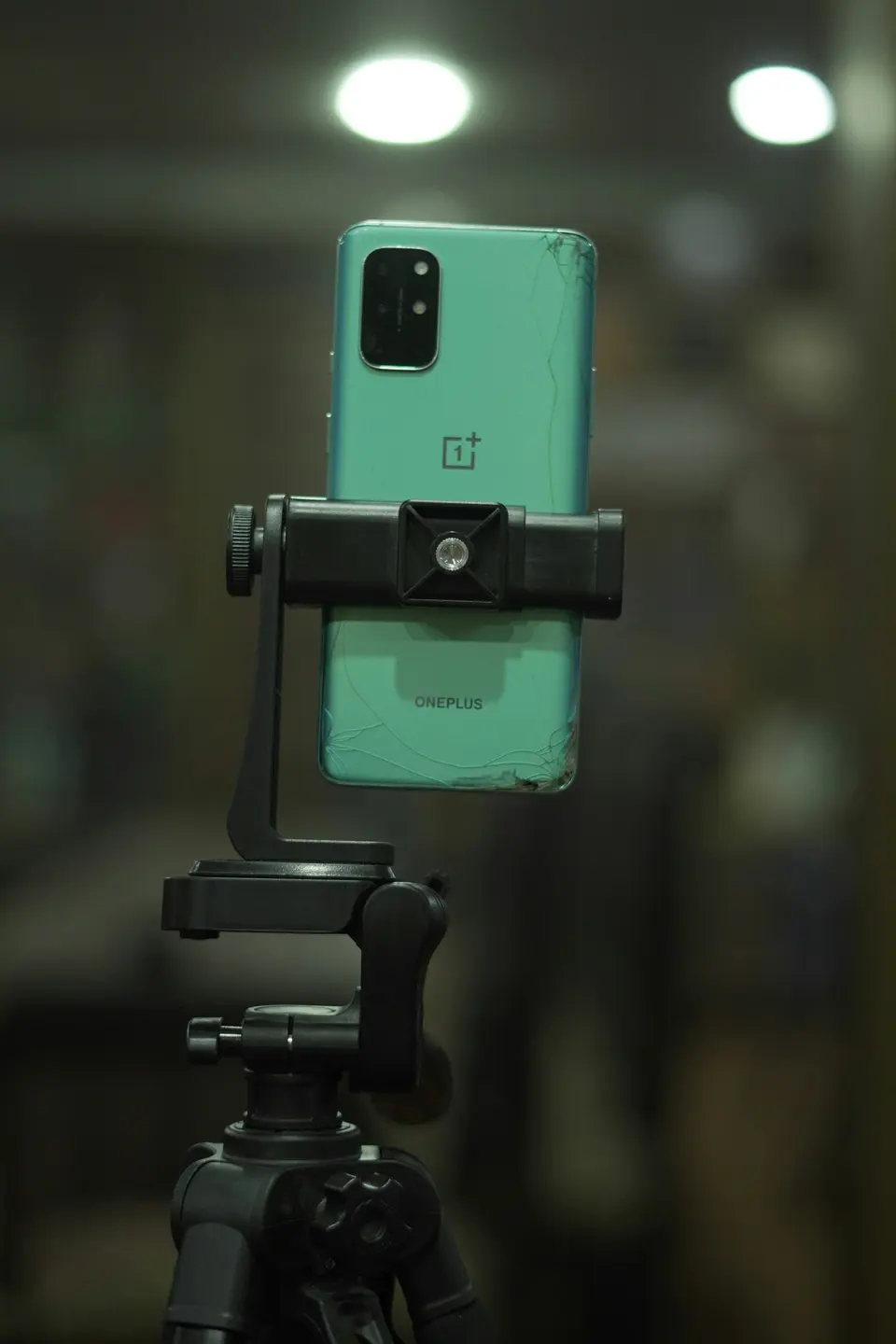
You do not need expensive gear to start making YouTube videos.
You need a clear idea, decent sound, enough light, and the nerve to publish before the setup feels fancy.
That is the annoying truth.
Gear is comforting because buying something feels like action.
Publishing is scarier because people can judge it.
So people research cameras for six weeks and make zero videos.
Do not be that person.
Make the rough version.
Make it watchable.
Ship it.
Start With Your Phone
Your phone is enough for the first batch.
Not forever.
For the first batch.
The move: Use the phone you already own and learn the basics before buying a camera.
Do this:
- Clean the lens
- Use the rear camera when possible
- Turn on grid lines
- Lock focus and exposure if your app allows it
- Keep the phone steady
- Film horizontally unless the format needs vertical
Most beginner videos look bad because of framing, light, and sound.
Not because the camera was too humble.
Buy gear after you know what problem the gear is solving.
Stabilize The Shot
Shaky footage screams, “I did not think this through.”
You do not need a cinema rig.
The move: Get the phone still.
Use:
- A cheap tripod
- A stack of books
- A clamp mount
- A shelf
- A desk stand
The goal is simple:
The viewer should not feel like they are riding in your hand.
Stable beats fancy.
Every time.
Fix Lighting Before You Buy A Camera
Lighting makes cheap cameras look better.
Bad lighting makes good cameras look guilty.
The move: Face a window or use one soft light in front of you.
Avoid:
- Bright light behind you
- Overhead-only light
- Mixed weird colors
- Dark corners that eat your face
Start with window light.
If you film at night, use a lamp bounced off a wall or a simple soft light.
Do not build a studio before you have a script.
That is how gear becomes procrastination with packaging.
Audio Matters More Than You Want
People will forgive an average image.
They will not forgive audio that hurts.
The move: Record in the quietest softest room you have.
Good:
- Bedroom
- Closet area
- Room with curtains
- Room with rugs
- Car parked somewhere quiet
Bad:
- Kitchen
- Bathroom
- Empty room
- Busy street
- Laptop fan next to the mic
If you buy one thing early, buy a cheap mic before a camera.
Clear voice beats pretty blur.
Use Free Or Cheap Editing
Editing is where beginners panic.
They think they need professional software and a second personality.
No.
The move: Use a simple editor you can learn in one afternoon.
You need:
- Cut mistakes
- Trim silence
- Add simple text
- Adjust sound
- Export cleanly
That is it for the first ten videos.
Not cinematic transitions.
Not 14 effects.
Not a title sequence that took longer than the actual video.
If the edit hides confusion instead of clarifying the idea, the problem is the script.
Make Thumbnails Simple
Thumbnails matter.
That does not mean they need to look like someone yelled at Photoshop.
The move: Build one clean thumbnail format and reuse it.
Use:
- Big readable text
- One clear image
- High contrast
- No tiny clutter
- Same general style each time
A template-based design tool is enough.
Watch thumbnails in your niche, but do not copy the exact layout like a person with no inner life.
Study the pattern.
Make your version.
If design feels like the weak link, free design tools that do not look free will save you time.
Write A Tiny Script
The camera is not the hard part.
Thinking is.
The move: Write a tiny script before recording.
Use this:
- Hook
- Promise
- Three points
- Example
- Close
That is enough structure.
You do not need to read it word for word.
You need to stop wandering.
If your words are the bottleneck, tools for writers who are not writers will help more than another lens.
The First Ten Video Rule
Make ten videos before major gear decisions.
This is the rule.
Ten videos teaches you:
- Whether you like the format
- Where your sound fails
- Where your lighting fails
- Whether your ideas hold up
- How long editing actually takes
- What people ask for next
After ten, you will know what to buy.
Before ten, you are mostly guessing in a shopping cart.
The Cheap Starter Stack
Here is the starter pack:
- Phone
- Stable mount
- Window or simple light
- Quiet room
- Cheap mic if needed
- Simple editing app
- Thumbnail template
- Tiny script
That is it.
You can make real YouTube videos with this.
Not perfect videos.
Real ones.
The kind that let you learn.
The kind that prove whether the idea deserves better gear.
If you want the wider creator setup, beginner content creator tools covers the rest.
Start with the phone.
Make the video.
Post before you feel ready.
That is the part no camera can do for you.
Advertisement