Health & Wellness
The Art of the Strategic Nap
A strategic nap is not laziness. It is a 10-to-25-minute reset for the part of your brain you keep bullying with coffee.
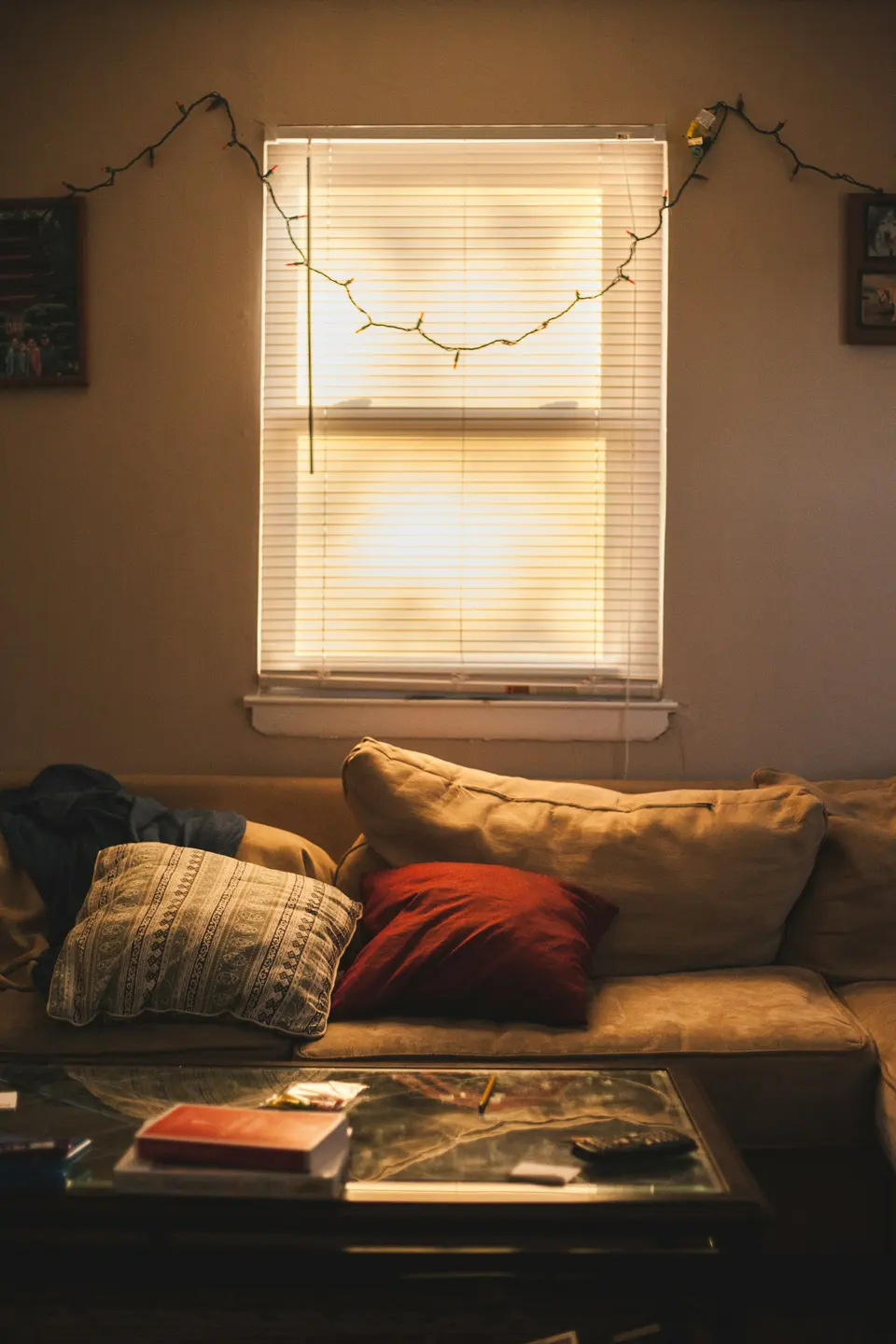
A strategic nap is not a moral failure.
It is not quitting.
It is not “I guess the day is ruined, bring me a blanket and my shame.”
It is a tool.
One of the least glamorous tools, which is probably why it works.
NASA’s old pilot-fatigue research gets quoted because the lesson is painfully useful: a short planned nap can improve alertness and performance. Not a three-hour disappearance. Not a full sleep cycle. A short nap, taken before your brain turns into soup.
Most people do the worse thing.
They hit the afternoon slump and treat it like a character defect.
More coffee.
More scrolling.
More pretending to work while rereading the same paragraph six times.
Stop doing that.
Take the nap properly.
What a strategic nap is
A strategic nap is a short, planned sleep reset.
Usually 10 to 25 minutes.
That is the useful range for most people.
Long enough to take the edge off.
Short enough that you do not wake up feeling like you were dragged out of another dimension.
The move: nap before you are completely wrecked.
Do not wait until your brain has already started filing resignation paperwork.
The nap works best when you catch the dip early.
For many people, that dip arrives somewhere between 1 PM and 4 PM. If you wake very early, it may show up earlier. If your schedule is weird, your dip may also be weird. Congratulations, you are a person, not a clock factory.
The nap length matters
Here is the simple version.
Your body moves through sleep stages.
If you nap too long, you may drop into deeper sleep. Then the alarm rings, you wake up furious, and the couch becomes your enemy.
That groggy feeling has a name: sleep inertia.
You do not need the name to hate it.
To avoid it, stay short.
Use these ranges
5 minutes: better than nothing.
Use it when you are on the edge and time is rude.
10 to 15 minutes: the quick reset.
Good for a normal workday dip.
20 to 25 minutes: the full power nap zone.
Enough time to get real rest without rolling the dice too hard on grogginess.
90 minutes: a full sleep cycle.
This is not a workday nap for most people. This is a planned recovery block. Different tool.
Do not take a 47-minute nap and act surprised when you wake up feeling haunted. Pick a lane.
The timing rule
The best nap is early enough to protect your night sleep.
That is the line people mess up.
A 2 PM nap can save your afternoon.
A 5:30 PM nap may steal from your night and hand you a very stupid bill at midnight.
The move: set a nap cutoff.
Mine is mid-afternoon.
If I miss the window, I do not nap. I go for a walk, drink water, or do lighter work. Annoying, but better than wrecking the night.
If you are already dealing with messy sleep, read what rest actually takes before you turn napping into another productivity trick you use to avoid recovery.
How to take the nap
Do not make this fancy.
You need:
- a timer
- a quiet-ish place
- lower light
- a clear end point
- no phone in your hand
That is the kit.
Not a $300 sleep device. Not a special ritual involving seven apps and a monk playlist.
Do this now
Set the timer for 20 minutes.
Put the phone across the room.
Lie down or recline.
Close your eyes.
Even if you do not fully sleep, stay there.
Quiet rest still helps.
The goal is not to win a sleep competition. The goal is to stop forcing your brain to perform while it is clearly holding up a tiny sign that says, “please, I beg you.”
Try the caffeine nap if coffee likes you
Drink coffee right before the nap.
Then sleep for 15 to 20 minutes.
Caffeine usually starts hitting around the time you wake up, so the nap and caffeine arrive together.
This can work beautifully.
It can also be a disaster if caffeine makes you jittery or ruins your sleep later.
Use your actual body as the test. Do not obey internet rituals like a tiny productivity cult.
What not to do
Do not nap in bed if bed means “real sleep” to your brain.
Use a couch, chair, mat, or a different setup.
Do not nap with your phone in your hand.
That is not a nap. That is a scrolling accident with your eyes half closed.
Do not eat a huge meal first.
Heavy food plus nap often turns into fog.
Do not keep extending the timer.
“Five more minutes” is how a power nap becomes a two-hour disappearance and a ruined evening.
And do not use naps to patch a life that is chronically under-slept.
A strategic nap is a supplement.
It is not a replacement for night sleep.
If your afternoons keep collapsing, energy management matters more than one clever nap. The nap is one tool inside the bigger system.
The real reason naps feel weird
The hard part is not the nap.
The hard part is permission.
Most work culture still treats rest like weakness unless it comes packaged as “performance recovery,” which is just rest wearing a gym badge.
So people do the respectable-looking bad option.
They stay at the desk.
They answer three emails badly.
They reread the same document.
They spend 38 minutes pretending not to be tired.
That is not discipline.
That is theater.
Sometimes the responsible move is to close your laptop, set a timer, and stop lying to your nervous system.
If your afternoon slump is a regular visitor, these afternoon slump tricks can help too. But try the cleanest move first.
Twenty minutes.
Dark room.
Timer.
Up when it rings.
No drama.
Advertisement