Life Skills
The Only 3 Habits You Need in January
Forget the 12-habit overhaul. Three habits, done consistently, will change your year more than 30 half-hearted ones.
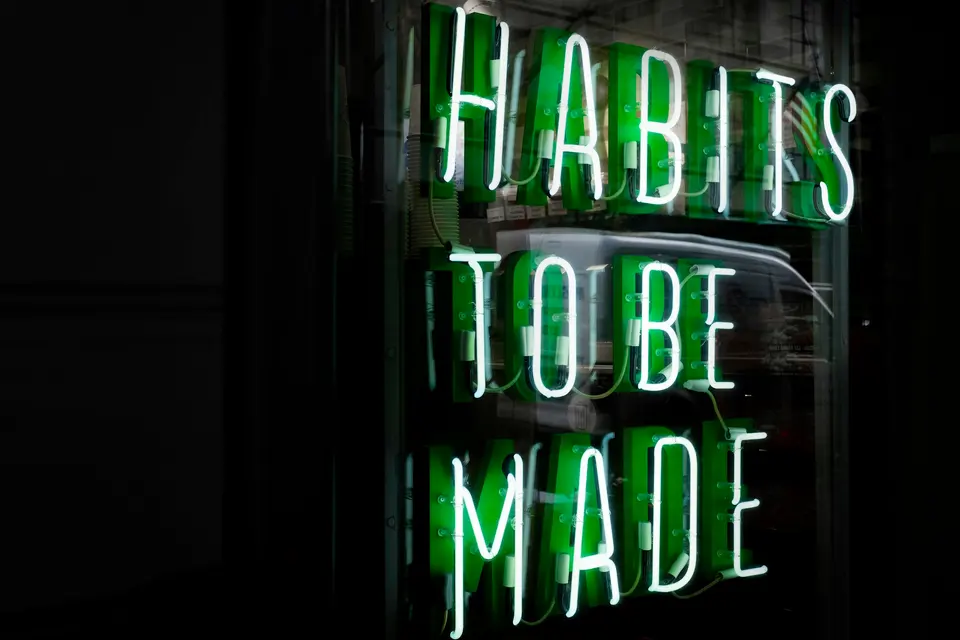
January makes people unreasonable.
Suddenly everyone wants a new morning routine, new body, new budget, new focus system, new meal plan, new reading life, new personality, and maybe a side business before the month is over.
Lovely.
Also nonsense.
You do not need twelve new habits in January.
You need three.
Three that lower the friction in the rest of your life.
Not three that look impressive in a notebook.
Three that actually make February easier.
1. A Movement Habit You Can Do Tired
Do not pick the fantasy version.
Pick the tired version.
If you hate mornings, do not make a 5 a.m. workout plan. That is not discipline. That is sabotage with sneakers.
Your January movement habit should be boring enough to survive a normal week.
Examples:
- Walk 15 minutes after lunch.
- Do 10 minutes of strength work before showering.
- Stretch while coffee brews.
- Take calls standing or walking.
- Go outside once before 3 p.m.
The point is not to become impressive by January 31.
The point is to become a person who moves most days.
The move: Choose the smallest movement habit that still counts.
Why: Your body does not care that the routine is cinematic. It cares that you repeat it.
Do this now: Write, “After ___, I will move for ___ minutes.”
If you already have movement handled, good. Do not add more just to feel productive.
Go fix the next weak link.
2. One Sleep Anchor
Sleep is the habit behind the habits.
When sleep goes bad, your other promises get expensive.
You skip movement.
You order whatever is easiest.
You snap at people.
You spend your best thinking time in a fog and call it being busy.
So pick one sleep anchor.
Not a 14-step evening ritual.
One anchor.
Options:
- Same wake time most days.
- Phone outside the bedroom.
- Laptop closed one hour before bed.
- Bedroom cold and dark.
- Caffeine cutoff after lunch.
Pick one.
Do it for January.
That is enough to start.
If bedtime is your main mess, use the bedtime routine that actually matters. The short version: sleep does not start when your face hits the pillow. It starts with the evening signals you keep ignoring.
3. A Decision-Reduction Habit
This is the boring habit that secretly runs the show.
Reduce decisions.
That is it.
Most people do not fail in January because they lack motivation. They fail because every useful choice has to be remade from scratch every day.
What should I eat?
When should I exercise?
What should I work on first?
Where is that thing?
By 4 p.m., your brain is soup with opinions.
Build one tiny system that removes repeated decisions.
Examples:
- Plan three dinners before buying groceries.
- Put tomorrow’s first task on a sticky note.
- Lay out exercise clothes at night.
- Use the same breakfast on weekdays.
- Make a default work-start ritual.
- Keep a “buy again” grocery list.
The move: Pick one recurring decision and pre-decide it.
Why: Discipline is easier when fewer things are asking for a vote.
Do this now: Choose the decision that annoys you most often and make a default.
If food is the decision that keeps beating you, the meal prep strategy for people who hate cooking is the no-romance version. Not beautiful. Useful.
Why Only Three?
Because January is not a personality transplant.
It is a month.
Three habits can support each other.
Movement helps sleep.
Sleep helps decision quality.
Decision reduction protects movement.
That is a loop.
Twelve habits are not a loop. They are a crowded waiting room full of abandoned promises.
This is the same reason building better habits works best when you start tiny. A habit that survives is better than a routine that looks impressive for six days.
Track Without Making It Weird
Track the three habits with checkboxes.
That is all.
Three boxes per day:
- Moved.
- Sleep anchor.
- Decision reduced.
Do not write an essay unless journaling is the habit.
Do not build a giant tracker.
Do not rate your mood in seven colors.
Check the box and move on.
The proof matters. The ceremony does not.
What If You Miss?
You will.
Congratulations, you are alive.
Missing once is not the problem.
The problem is turning one miss into a fresh-start ritual.
Use this rule:
Never miss the tiny version twice.
If you miss your walk, do five minutes tomorrow.
If you break the sleep anchor, return the next night.
If dinner planning collapses, choose one default meal and keep going.
Do not restart the year on January 17.
That is how you get trapped in the starting-over loop.
The January Plan
Here is the whole plan.
Pick:
- One movement habit.
- One sleep anchor.
- One decision-reduction habit.
Make each one small enough for a bad day.
Track them with checkboxes.
Keep them until March before adding anything.
Yes, March.
Give the habits time to stop feeling like a project.
The point of January is not to become a new person in 30 days.
The point is to stop making your normal days so hard.
Three habits can do that.
Thirty usually just create cleanup.
Advertisement