Health & Wellness
A Sleep Routine for Workdays: Practical Starting Steps
Build a sleep routine for workdays with a realistic schedule, a short shutdown, and clear limits on what bedtime habits can fix.
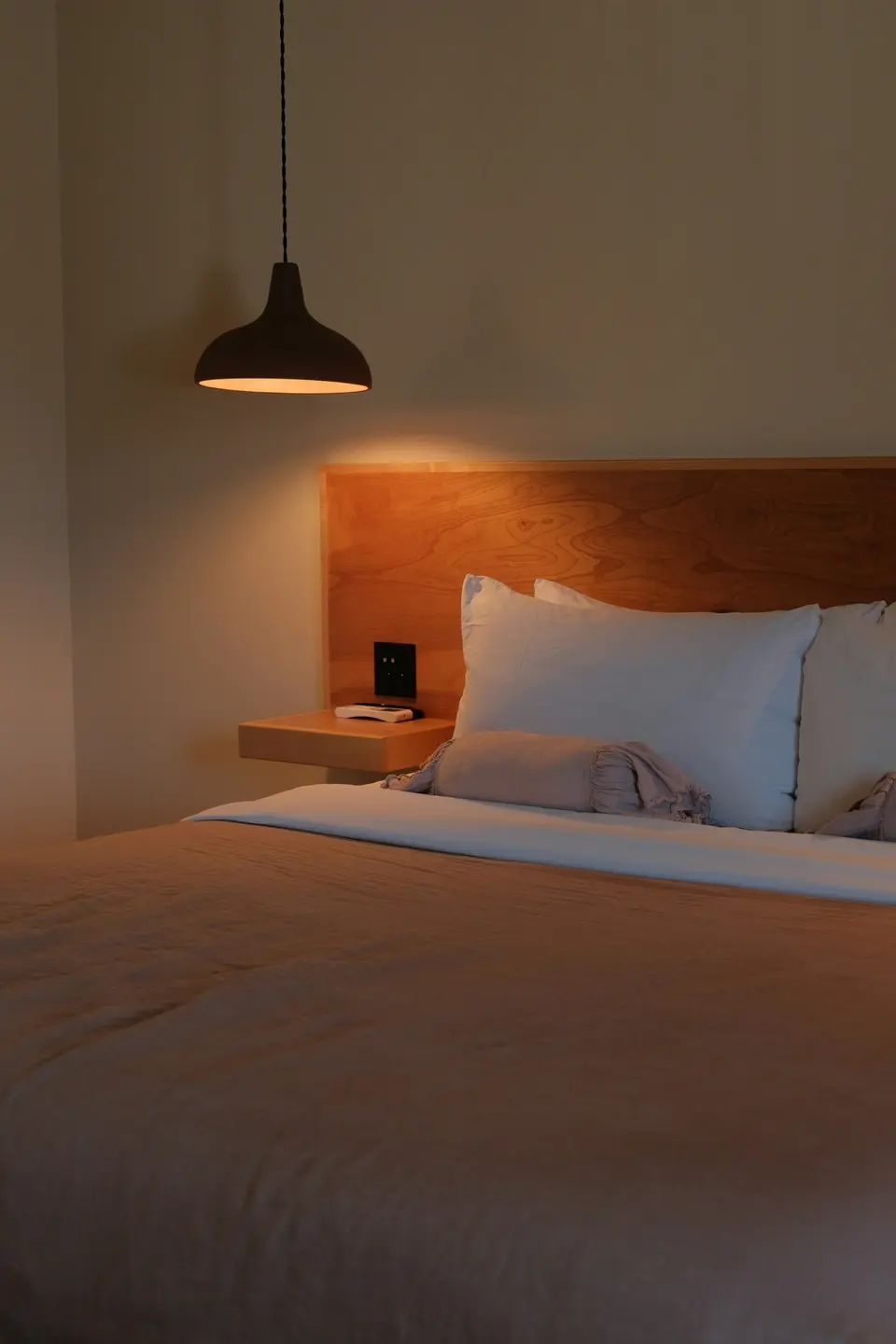
A sleep routine for workdays starts with protecting an opportunity to sleep. Another task manager cannot supply the hours that late-night work takes away.
Correction, September 21, 2026: The earlier article claimed a personal productivity improvement and dismissed apparent insomnia as unfinished work. Neither claim was justified. This revised guide uses public-health guidance and practical planning examples; it is not a clinical review or a personal experiment.
Build a sleep routine around your actual schedule
The NHLBI’s healthy sleep guidance recommends a consistent sleep schedule, quiet time before bed, and a cool, dark, quiet bedroom. It also notes that caffeine can interfere with sleep, with effects lasting up to eight hours.
Choose one adjustment you can make this week. A steadier wake time may be feasible. A darkened room may be feasible. Stopping optional email earlier may be feasible.
Caregiving, pain, shift work, shared housing, and irregular hours change what is possible. A routine that ignores those constraints is decoration.
End work with a short handover
This is an organizational suggestion, not a treatment for insomnia. Before closing work, write:
Finished today:
Still open:
Next action and when I will return to it:
Hypothetical example: “Proposal draft is ready. Pricing needs confirmation. Ask the project lead at 9:30 tomorrow.”
That note gives tomorrow a starting point. It does not prove that your mind will stop racing or that you will fall asleep faster.
Close the work tools when your responsibilities allow. If notifications must stay available for care or on-call work, preserve those channels. You do not need to become unreachable to stop browsing your inbox for entertainment.
For optional evening activities, choose one or two from tiny evening habits. Ten new rules would give bedtime a project manager.
Use a short log without turning sleep into a score
For several days, note when you went to bed, roughly when you woke, daytime sleepiness, and anything unusual about the schedule. Estimates are fine.
Use the notes to answer a practical question: are work, interruptions, or inconsistent hours reducing the time available for sleep? Do not use a one-week log to diagnose yourself or promise a productivity gain.
If phone use keeps extending the evening, the doom-scrolling guide explains how to check built-in limits. A phone setting is a boundary tool, not a sleep treatment.
Know when a routine is not enough
Persistent trouble sleeping or daytime sleepiness deserves a conversation with a health professional. Do not assume it is poor discipline or an unfinished to-do list.
The NHLBI’s insomnia treatment guidance describes cognitive behavioral therapy for insomnia, or CBT-I, as a usual first treatment for long-term insomnia. Healthy habits can support care; they do not replace appropriate assessment or treatment.
If you are too sleepy to drive or do safety-critical work, address that safety issue now. A planned routine for tonight is not protection against an accident today.
Pick one feasible change. Write the shutdown note. Leave room for sleep without turning the result into another moral grade.
Advertisement