Productivity
A Weekly Planning Method Based on After-Action Reviews
Use a weekly planning method with four review questions, a worked example, and one calendar change. No elaborate dashboard required.
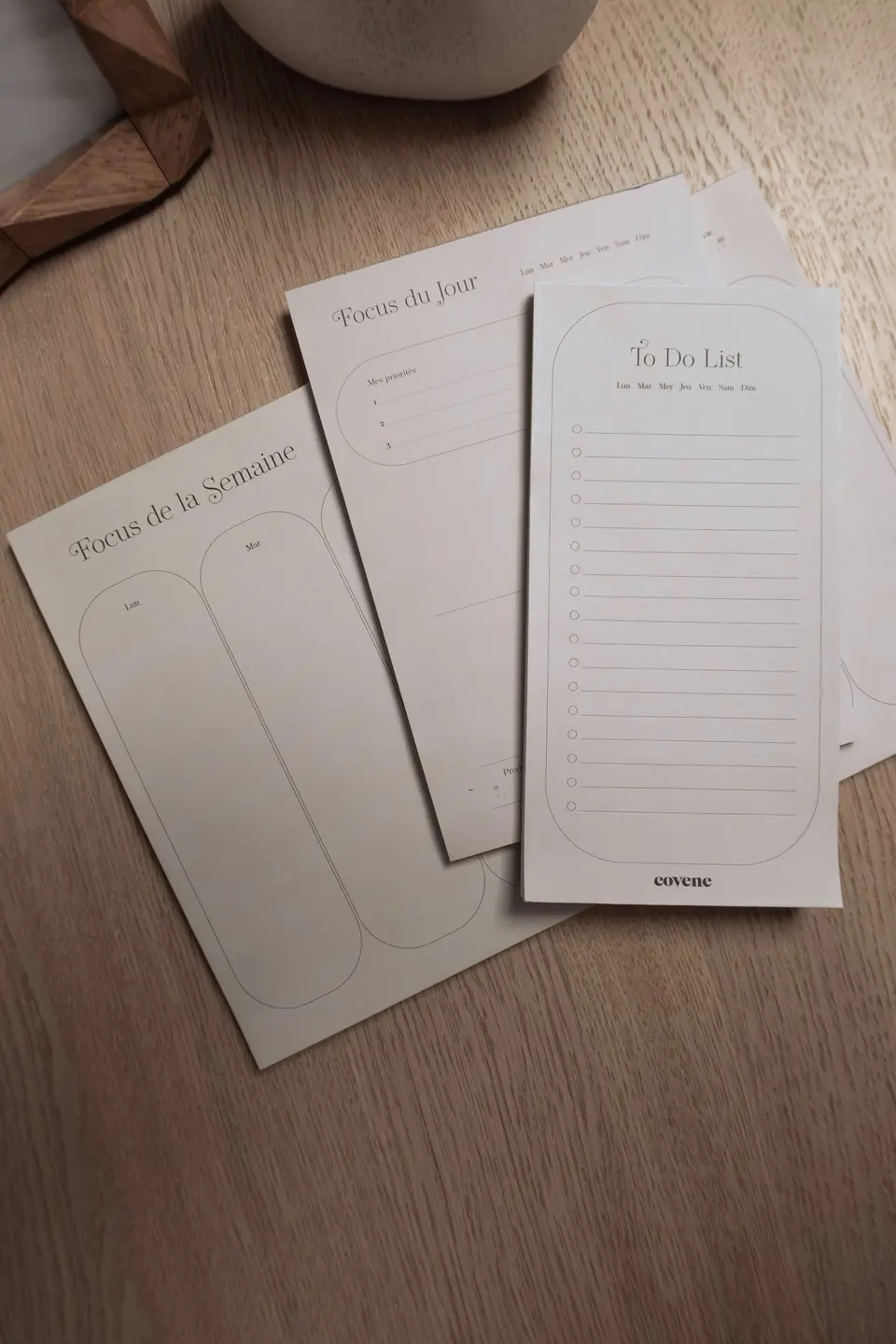
A useful weekly planning method compares your plan with what actually happened, then changes the next plan. Copying unfinished tasks into a fresh list does not count as learning.
This guide adapts the after-action-review idea for personal planning. U.S. Army University Press describes the review process in terms of intended activity, actual events, causes, and changes for the next iteration. The personal worksheet below is PickyFox’s adaptation, not an official military procedure.
Correction: An earlier version claimed a military officer personally taught the author this method. That story was not verified and has been removed. The source is the published review process, not a private conversation.
The four weekly planning questions
Set aside about 20 minutes as a starting time limit. That is a suggested schedule, not a tested performance claim.
1. What did you plan?
Read the calendar and task list you actually used. Note two or three intended outcomes, not everything you hoped a better version of you might accomplish.
Good: “Send the first proposal draft by Thursday.”
Too vague: “Make progress on business development.”
Keep obligations visible. An appointment or a caregiving commitment was part of the week, even if it did not produce a deliverable.
2. What happened?
Record observable facts. Use completed work, actual appointments, and missed commitments. Estimates are fine if you label them as estimates.
Avoid rewriting the original plan to make the result look tidier. The gap is the useful part.
3. What explains the difference?
Look for a cause you can act on. Perhaps a dependency arrived late, a task needed more time, or your plan ignored recurring admin.
“Try harder” is not a cause. Neither is “be less busy.”
Separate what you controlled from what you did not. A client delay may require a buffer or a clearer deadline; it does not become your fault just because it appeared on your calendar.
4. What will you keep or change?
Keep one thing that worked. Change one thing that did not.
Then put the change somewhere operational: the calendar, the task description, the project checklist, or the message that clarifies a dependency. A review that ends as a nice paragraph has not finished its job.
A worked weekly planning example
This is a hypothetical example, not a client case study.
| Question | Example answer |
|---|---|
| Intended result | Finish a proposal by Thursday afternoon |
| Actual result | Outline finished; pricing section still missing on Friday |
| Explanation | Two afternoon work blocks were used for calls; no replacement block was booked |
| Keep | Outline template made the first section easier to prepare |
| Change | Reserve one Tuesday morning block for pricing, with a Wednesday fallback |
The new plan is specific enough to review next week. Did the block happen? Was pricing finished? If not, what prevented it this time?
Do not infer a grand personality flaw from one missed proposal. Gather enough examples to see whether the same obstacle repeats.
Copy this short template
Week ending:
Planned outcomes:
What happened:
Main reason for the gap:
One thing to keep:
One thing to change:
Where the change is scheduled:
What I will check next week:
Use a calendar and a plain note. The free organization tools guide helps if tasks, dates, and notes currently live in one confusing pile.
For a shorter maintenance pass, the 10-minute weekly review covers routine cleanup. This method goes deeper when the same plans keep slipping.
Stop before the review becomes another project
You do not need charts for every hour. You need enough information to make next week less guesswork.
If reviewing alone turns into a long list of self-criticism, return to facts and one adjustable decision. If the problem is simply too many commitments, deleting or renegotiating one may be a better change than fitting it into a prettier schedule.
Finish with the next action already placed. A better plan is one you can actually use on Monday.
Advertisement