Career & Work
Why Your Networking Isn't Working
Your networking isn't working because you are probably collecting contacts instead of building trust. Annoying. Fixable.
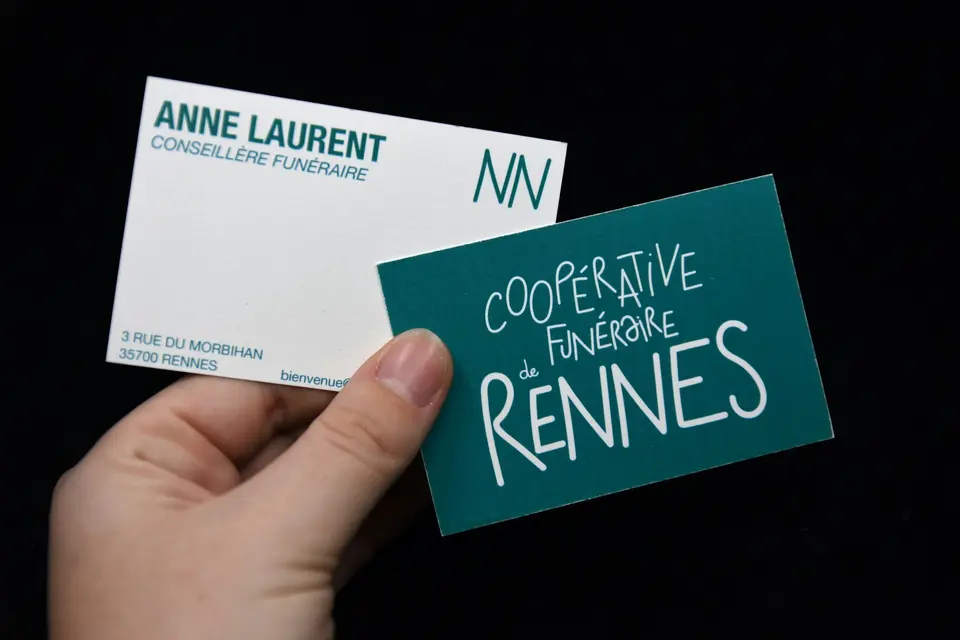
Your networking is not working because you are probably treating people like doors.
Open this door.
Introduce me to that person.
Refer me.
Hire me.
Validate me.
Very subtle. Nobody can tell.
Except everyone can tell.
Most networking advice teaches people to collect contacts, polish an elevator pitch, and follow up with a message that sounds like it was assembled in a business-card factory.
Then everyone wonders why nothing real happens.
Here is the problem:
You are trying to extract trust before you have built any.
That is not networking.
That is asking strangers to become useful on command.
Stop collecting names
A bigger network is not automatically better.
A bigger network can just mean a larger group of people who vaguely remember you from a room with bad snacks.
Useful relationships are smaller.
Slower.
Less impressive in spreadsheet form.
Also, they actually work.
The move: stop measuring contacts. Start measuring conversations worth continuing.
After you meet someone, ask:
- Did I understand what they care about?
- Did I learn what they are working on?
- Did I offer anything useful?
- Would a second conversation make sense?
- Did I follow up like a human, not a sales sequence?
If no, fine.
Not every conversation needs to become a professional relationship.
This is not a collecting game.
Your pitch is probably not the point
People obsess over elevator pitches because a pitch feels controllable.
Thirty seconds.
Clean sentence.
Confident delivery.
Lovely.
Still not enough.
Your pitch can help someone place you. It cannot make them trust you.
Trust comes from:
- repeated useful interactions
- doing what you said you would do
- being specific
- having taste
- respecting time
- showing real interest
No pitch can fake that for long.
Do this instead
Have a simple answer for what you do.
Then get curious fast.
Ask better questions:
- What are you working on right now?
- What part is harder than expected?
- What did you try that did not work?
- What are you trying to get better at this year?
- What kind of people are useful for you to meet?
Then listen.
Wild concept.
If small talk is where you freeze, getting better at small talk gives you practical moves that do not require becoming a fake conference person.
Contribute before you ask
This is the part most people want to skip.
Do not.
If you want better relationships, become useful before you need something.
Useful does not mean grand.
It can mean:
- sending a relevant article
- making a thoughtful intro
- giving specific feedback
- sharing what you learned
- showing up consistently in the same space
- remembering the thing they said last time
Tiny useful beats performative impressive.
The best networking often happens when you are already doing your work in public.
Writing.
Building.
Sharing.
Helping.
Asking good questions.
People can see what you care about before you ever ask for anything.
That changes the whole interaction.
You are no longer a stranger with a request.
You are a person with a pattern.
Go narrow, not wide
You do not need to attend every event.
You need to be findable in the few rooms that matter.
Pick spaces where people care about the same problems you care about.
Not just the same job titles.
Problems.
If you are a freelancer, hang around people dealing with client work, pricing, positioning, and delivery.
If you are trying to move into product, join places where people are discussing product decisions, not just posting career glow-ups.
If you are building a creative practice, find the places where people share drafts, not just applause.
The room matters.
A generic networking event gives you generic conversation.
A specific problem-space gives you useful friction.
For people who hate rooms entirely, the introvert’s networking playbook is a better route. You can build relationships without pretending you love fluorescent hotel lobbies.
Follow up like a person
Most follow-up messages are dead on arrival.
“Great connecting with you. Let’s stay in touch.”
Touching.
Useless.
Hypothetical messages: adapt them only to experiences and connections you actually have.
I liked what you said about pricing retainers. I tried something similar and got stuck on scope creep. If you ever write about that, I would read it.
Or:
You mentioned looking for a freelance editor who understands technical content. I know someone good. Want an intro?
Or:
That tool you recommended solved the exact export issue I was fighting. Thank you. Saved me an hour.
Specific follow-up proves you were listening.
Generic follow-up proves you have Wi-Fi.
Different bar.
The friendship part is not optional
Professional relationships are still relationships.
This seems obvious until people start networking like they are mining a resource.
People help people they trust.
People trust people who show up over time.
People remember how they felt around you.
Yes, competence matters.
So does warmth.
So does not being weirdly transactional.
If you work for yourself, this gets even more important. The friendship tax of working for yourself is real: solo work can shrink your casual relationship surface area unless you rebuild it on purpose.
The fix
For the next 30 days, do this:
- Pick one specific professional space.
- Show up twice a week.
- Leave one useful comment or answer.
- Start one real conversation.
- Follow up with something specific.
- Ask for nothing unless it naturally fits.
That is it.
Not glamorous.
Not scalable.
Good.
Trust does not scale cleanly.
That is why it is valuable.
Your networking is not broken because you need more contacts.
It is broken because you need more trust per contact.
Build that.
Advertisement