Books
Books About Writing: Sentences, Drafts, and Reader Context
Choose a writing book for sentence clarity, starting a draft, or explaining an idea. Keep editing exercises separate from claims about better thinking.
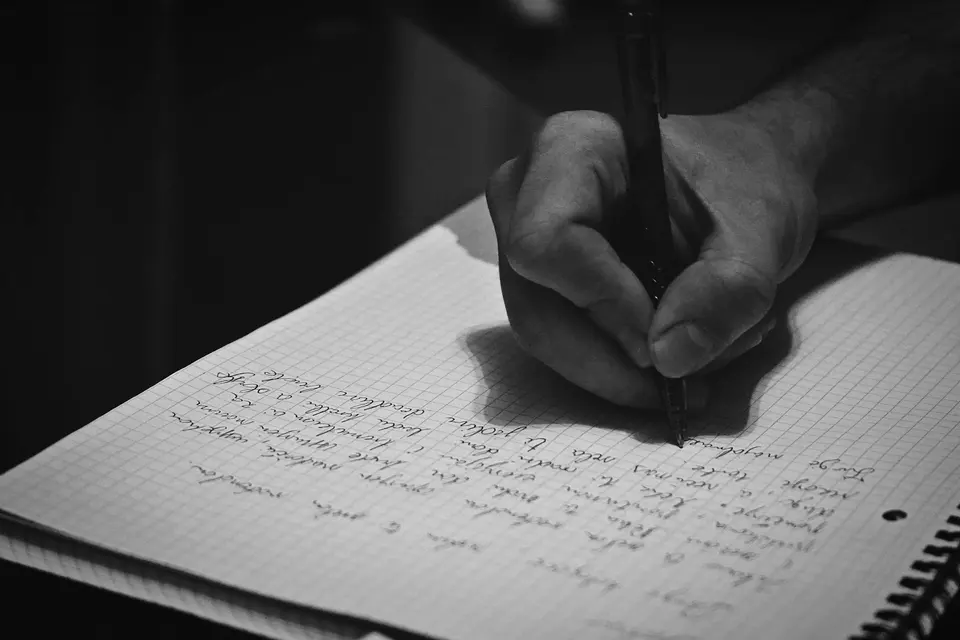
A writing book can help you identify a question about your draft: what the sentence means, where to begin, or what the reader needs to know. Choose the question before choosing another stack of books.
Correction, September 22, 2026: The original invented personal reading outcomes and treated writing advice as a guaranteed thinking improvement. This shortlist uses publisher descriptions; exercises are proposed and untested.
This is a source-based shortlist, not a firsthand review of complete books. The exercises are PickyFox suggestions, not quotations or measured effects on cognition.
Several Short Sentences About Writing, by Verlyn Klinkenborg
The publisher describes Klinkenborg’s attention to thinking, noticing, and the act of composing sentences, including challenges to familiar writing advice.
An exercise to consider: Take a paragraph and write the job of each sentence beside it. Does it make a claim, supply evidence, give an example, or connect an idea? Revise where the job is unclear.
Shorter is not automatically clearer. Keep qualifications that change the meaning. Do not cut a paragraph by an arbitrary percentage if doing so removes necessary evidence or makes an uncertain claim sound certain.
Bird by Bird, by Anne Lamott
Lamott’s publisher introduces practical writing guidance through a focus on manageable pieces and the difficulties of writing.
An exercise to consider: Choose one section and write an imperfect version that contains its essential point. Mark missing facts as questions instead of supplying plausible details. Then decide what research or revision the section needs.
A private rough draft is different from a public claim. “Start small” does not mean publishing unsupported assertions or ignoring a deadline that depends on other work being complete.
The Sense of Style, by Steven Pinker
The publisher presents a style guide that connects language with how readers understand writing. Consider it when your explanation assumes too much shared context.
An exercise to consider: List what the intended reader already knows and which terms need explanation. Ask a willing reader to describe your main point in their own words. Compare that account with what you meant.
A mismatch is information about this explanation and reader. It is not proof that all readers need the same style, or that unfamiliar terminology is always unnecessary. Technical precision and plain language can coexist.
Keep clarity attached to truth
A smooth sentence can still be wrong. After revising, check that the evidence supports the claim, examples are accurately labeled, and uncertainty remains visible. Read quotations against their sources rather than relying on memory.
Try one exercise on a real draft and keep the before-and-after versions. Record what changed and what remains unresolved. This article does not claim that any of these exercises was tested or improved a reader’s thinking.
For the larger process, use the writing process guide and learning to write clearly. For choosing what to practice, see questions for applying book advice.
Advertisement