Content & Creativity
The Writing Process Nobody Talks About
The writing process nobody talks about is the ugly middle where you write badly, find the point, and cut the noise.
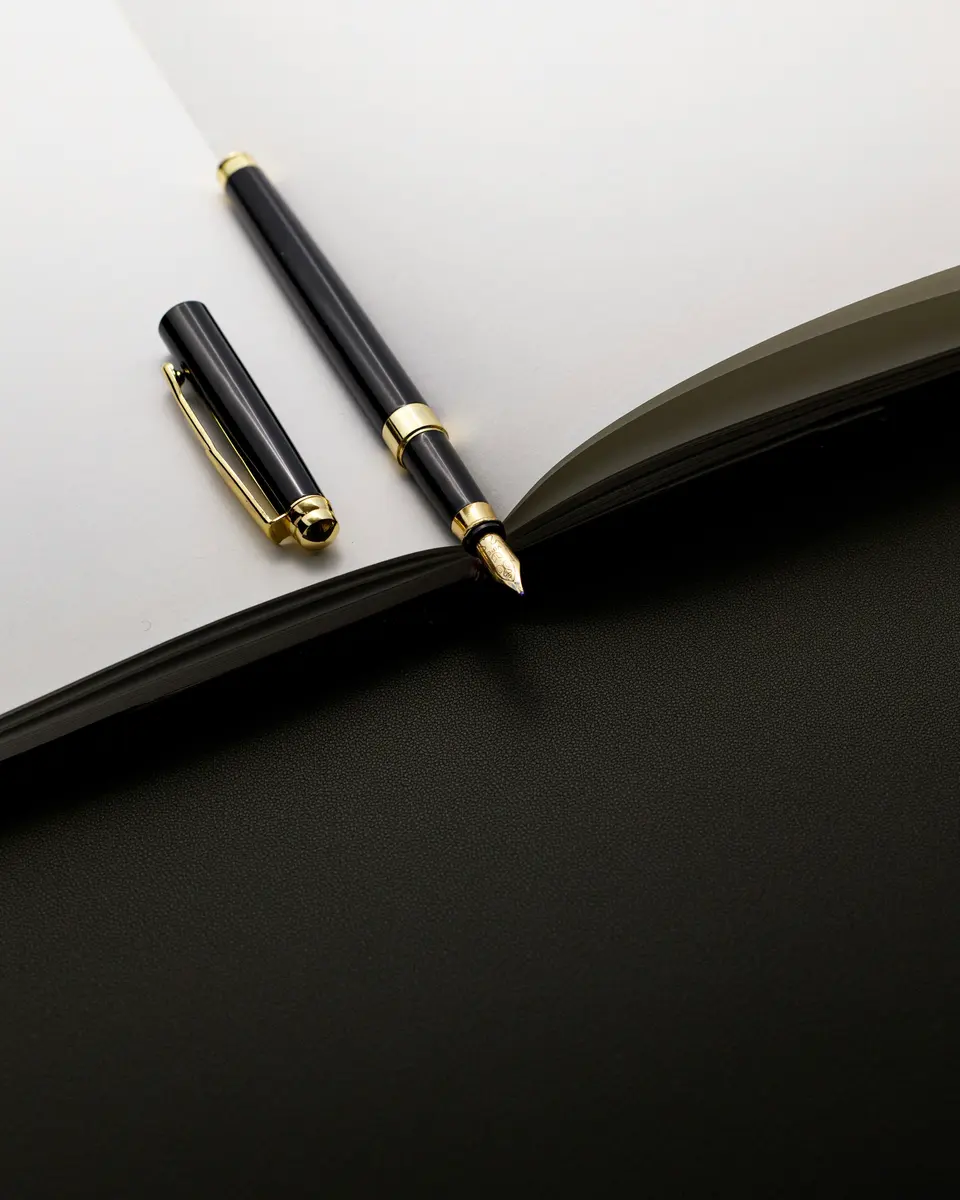
The writing process nobody talks about is not romantic.
It is not a candle, a clear desk, and a sentence that arrives wearing a nice coat.
It is more like this:
You write something bad.
You hate it.
You keep going.
You find one honest sentence on page two.
Then you drag the whole piece toward that sentence like furniture across a bad floor.
That is writing.
Not always.
But often enough that pretending otherwise is a tax on beginners.
The first draft is not the work
The move: Treat the first draft like raw material, not a verdict.
Your first draft is allowed to be clumsy.
It is allowed to repeat itself.
It is allowed to start in the wrong place.
It is allowed to say “the thing” 14 times because you do not know the noun yet.
The first draft is not where you prove you are a writer.
It is where you find out what you are trying to say.
That means the draft has to exist before it can get good.
Deep, I know.
Still somehow the part everybody avoids.
If you keep trying to study your way around the ugly first version, read why you do not need another course. Writing is one of the cleanest examples of “start before you feel ready.”
The real point usually arrives late
The move: After drafting, hunt for the sentence that feels alive.
It is often not in the intro.
Annoying, but true.
The intro is usually throat-clearing. Your brain is walking around the topic, checking doors, pretending it had a plan.
Somewhere later, you say the real thing.
Look for it:
- the sentence with heat
- the line you would text a friend
- the paragraph that sounds less fake
- the claim that makes the rest of the draft nervous
That is probably the beginning.
Move it up.
Do not protect your opening just because it arrived first. First does not mean best. It means first.
Revision is not polishing
Polishing is making sentences prettier.
Revision is asking whether the piece works.
Different job.
The move: Revise in this order:
- What is the point?
- What does the reader need first?
- What can go?
- What needs an example?
- What sentence is trying too hard?
Do not start by fixing commas.
That is like rearranging pillows in a house with no roof.
Cut the dead parts first.
Move the real point earlier.
Add examples where the reader would otherwise nod and forget.
Then make the sentences cleaner.
If you want to go deeper on clarity, learning to write clearly is the support piece.
Your doubt is not special
This is going to sound rude.
Good.
Your “this is garbage” feeling is not a mystical warning from the craft gods.
It is often just the normal discomfort of seeing an unfinished thing.
Do not obey it immediately.
Listen for useful data:
- Is the point unclear?
- Is the example weak?
- Is the structure wrong?
- Is the tone fake?
Fix those.
Ignore the dramatic fog around them.
You do not need confidence to revise.
You need tolerance.
Tolerance for mess.
Tolerance for not being brilliant yet.
Tolerance for making the same paragraph better in five small passes instead of one heroic lightning strike.
The useful ugly workflow
Here is the process I trust:
- Dump: Write the bad version fast.
- Find: Mark the sentences with heat.
- Move: Put the real point near the top.
- Cut: Remove anything that repeats or performs.
- Explain: Add examples where the idea is too abstract.
- Tighten: Fix rhythm, line length, and weak verbs.
- Read aloud: If it sounds like a brochure, rewrite it.
That is not glamorous.
It works.
Most people skip step one because they want to feel like a real writer before writing.
No.
You become a writer by making a draft and then being honest with it.
The line-level test
When the draft is mostly working, go sentence by sentence and ask:
- Does this say something?
- Does it move the piece?
- Could a normal person understand it?
- Would I say this out loud?
- Is this here because it helps or because I liked writing it?
That last question hurts.
Excellent.
Kill the precious sentence if it is slowing the piece down.
Nobody owes your favorite sentence a chair.
The final truth
Writing is thinking with receipts.
You do not always know what you think before you write.
Sometimes you discover it while making a mess.
Then you clean the mess until another person can use it.
That is the writing process nobody talks about because it does not look good in a screenshot.
Write the bad version.
Find the real point.
Cut the noise.
Repeat until the piece stops lying.
Then publish.
For craft fuel, read books about writing and thinking. But do not hide there. The draft is where the lesson cashes out.
Advertisement