
What to Do When the Business Year Goes Sideways
When the business year goes sideways, do not let panic become your strategist. Slow down, look at the numbers, and make one clean move.
Hub · Body
Sleep, stress, energy, burnout. The body running the business everyone else manages with a team.
Most wellness content assumes you have time for a 90-minute morning routine, a flexible schedule, and a body that responds predictably to discipline. None of those are reliable when your week pivots on a client emergency or a stalled invoice. The posts on this shelf are about the version of health that actually fits a solo career.
Some are about sleep, which the productivity industry treats as optional and which decides almost everything else. Some are about stress, which freelancers carry differently because there's no team to share it with and no HR department to escalate to. Some are about the basics: the gym question, the diet question, the energy management that turns out to be the unglamorous heart of working for yourself for a long time.
There's a strain of wellness content built around aspirational lifestyles that have nothing to do with how most people actually live. This shelf is the other version. Practical, skeptical, willing to admit that a perfect routine is mostly a flex, not a system. The goal isn't optimization. It's making sure the body keeps showing up for the years of work ahead.
72 posts in this hub ·Health & Wellness
Start here
If this is your first time on this hub, these are reasonable entry points.
When the business year goes sideways, do not let panic become your strategist. Slow down, look at the numbers, and make one clean move.
Stolen Focus is not just a phone-shaming book. Hari's stronger point is that attention is being attacked from more than one direction.

Use gentle breathing exercises before work as an optional pause, with NHS guidance, safety limits, and no promise of sharper focus.
Social anxiety at work is not a character flaw. Use scripts, buffers, and smaller exposure steps before work turns into avoidance.

Matthew Walker's sleep research is not a wellness poster for freelancers. It is a blunt warning: deadline work gets worse when sleep is the budget.

Michael Pollan's psychedelic reporting is not a creativity hack. It is a serious reminder that some stuck patterns need deeper interruption.
More in this hub

Pleasure and happiness are not the same thing. If your life is full of quick hits but still feels thin, this is probably why.

What the DARE method for panic describes, how it differs from evidence for CBT, and what to discuss with a qualified clinician.

Try an optional 2-minute awareness practice between tasks. Understand its limits, stop if it feels unpleasant, and keep healthcare separate.
Your brain on cheap dopamine is not broken. It is trained. Reset the loop by adding friction, choosing better rewards, and protecting focus.

Manage practical pressures around anxiety at work with clear scripts, workload changes, and guidance on when to seek professional help.

Three mental habits quietly wreck good days: perfectionism, uncertainty chasing, and taking responsibility for things that are not yours.
Anxiety tools that only say breathe are not enough. Start with the body, name the alarm, reduce the load, and get help when needed.

Mindfulness without meditation apps is simple: pick one ordinary thing, do only that thing, and stop turning calm into a subscription.

Adult friendship disappears quietly when work, distance, and life logistics take over. Here is how to treat friendship like maintenance, not a luxury.

How to drop a grudge when you're right: keep the lesson, lose the replay, and stop making resentment do unpaid work.

Availability looks like flexibility, but it's actually a tax on your energy. Here's what it costs and why constant access hurts your work.
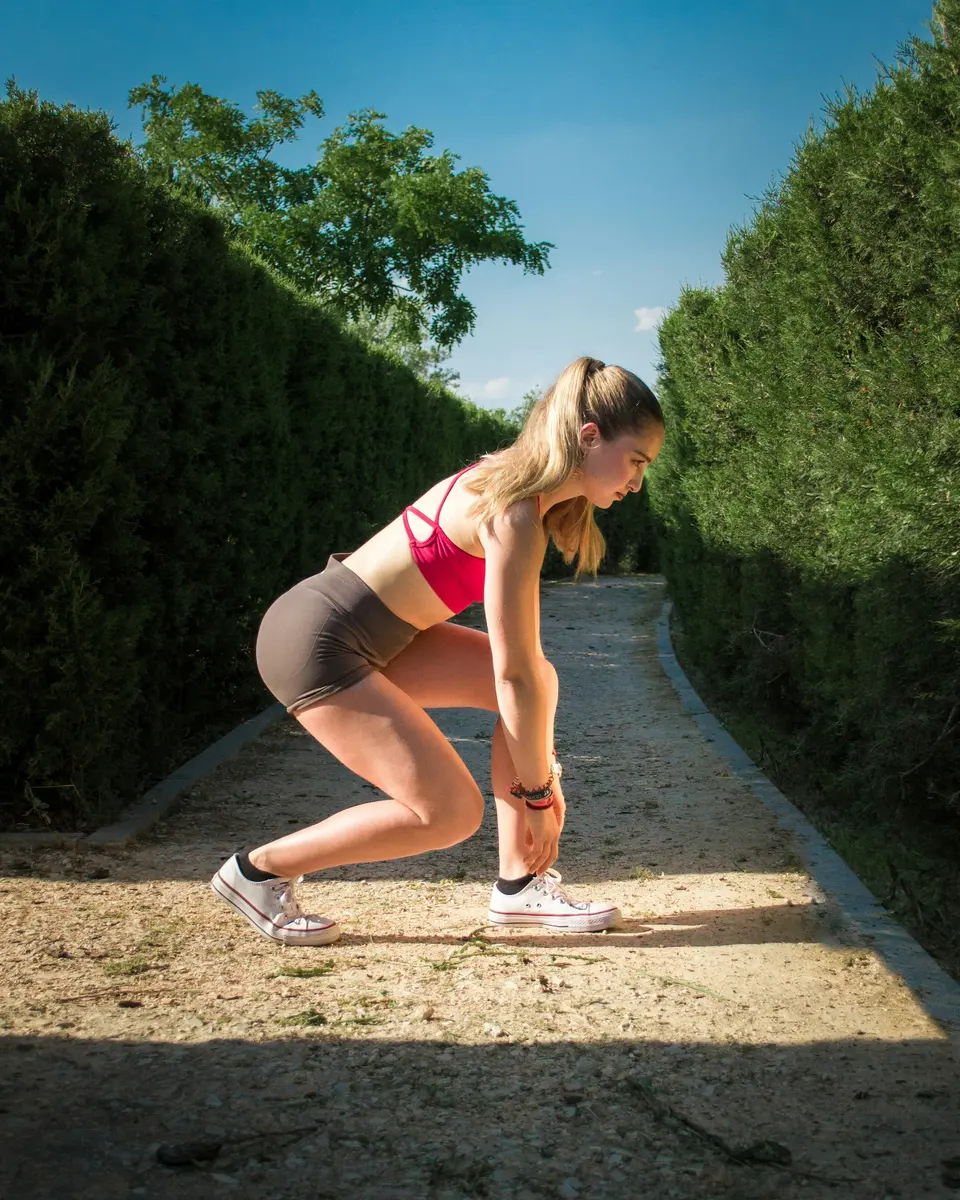
You don't need a gym membership to get in shape. Start with a tiny home setup, a repeatable plan, and fewer heroic promises.