Health & Wellness
Starter Pack: Getting Fit Without a Gym Membership
You don't need a gym membership to get in shape. Start with a tiny home setup, a repeatable plan, and fewer heroic promises.
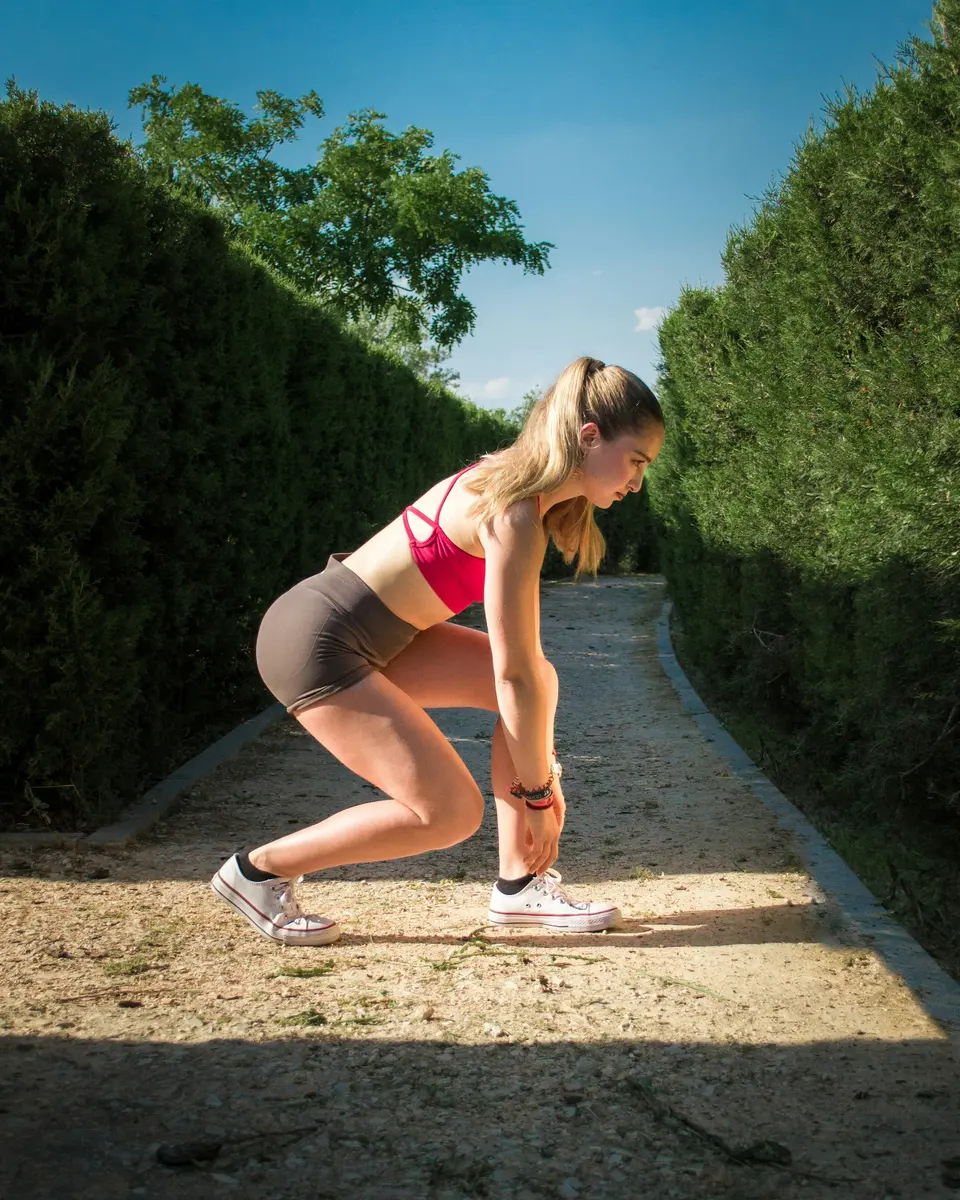
You do not need a gym membership to get fit.
You need a plan so small your ego is mildly offended.
That is usually the missing piece.
Not motivation.
Not a perfect app.
Not a full home gym with equipment you will eventually use as laundry furniture.
The problem is that most people start with a fantasy version of themselves.
Five workouts a week.
Meal prep.
Early mornings.
New shoes.
Then real life walks in wearing muddy boots.
Start smaller.
Smaller than you want.
Smaller than the internet would applaud.
That is how you stick.
The Minimum No-Gym Setup
You need less than you think.
The move: Build the smallest setup that removes your excuses.
Why: If the workout requires too much setup, you will skip it when your day gets even slightly annoying.
Do this now: Put these three things in one visible place:
- A mat
- A pair of dumbbells, or one adjustable dumbbell
- Shoes you can move in
That is enough for month one.
You can add gear later.
Earn complexity.
If you have pain, a medical condition, or you have been told to avoid certain movements, ask a qualified professional before copying any routine from the internet. Boring disclaimer, useful boundary.
Pick A Three-Day Plan
Do not create a perfect program.
Pick a repeatable one.
The move: Train three days a week for 20 minutes.
That is it.
Not five days.
Not 75 minutes.
Not “I will become a completely different person by Monday.”
Three days.
Twenty minutes.
Repeat.
The Beginner Template
Do this as a simple circuit:
- Squats or sit-to-stands
- Push-ups, wall push-ups, or incline push-ups
- Dumbbell rows
- Glute bridges
- Plank or dead bug
Do 2-3 rounds.
Rest when you need to.
Write down what you did.
Stop while you could still do more.
That last part matters. You are trying to build tomorrow’s workout, not win today’s imaginary contest.
Track Reps, Not Your Entire Personality
Fitness tracking gets weird fast.
Suddenly you are logging calories, sleep, steps, protein, water, heart rate, and the emotional weather of your breakfast.
No.
The move: Track only the workout.
Write:
- Exercise
- Weight
- Reps
- How hard it felt
That is enough.
Why: You need proof that you are improving, not another dashboard to disappoint you.
Use a notebook.
Use Apple Notes.
Use a simple app like Hevy or Strong if you already like apps.
But do not spend two weeks choosing the app before doing one squat.
That is not preparation.
That is avoidance in athletic clothing.
If habit mechanics are the real sticking point, read the habit starter pack. Fitness is just one place where your follow-through tells the truth.
Progress Without The Burnout Spiral
The usual pattern is tragic and predictable:
You go hard.
You get sore.
You miss two days.
You decide you failed.
You stop.
The fix is boring:
Make progress in one direction at a time.
Choose one:
- Add one rep
- Add one set
- Add a little weight
- Add five minutes
- Improve your form
Do not add all five.
Your body is not impressed by chaos.
It adapts to repeatable stress.
Month One
Show up.
That is the goal.
You are building the identity of someone who trains.
Month Two
Keep the same schedule.
Make the movements cleaner.
Add a rep when it feels easy.
Month Three
Increase one thing.
Weight, reps, or time.
Pick one and stop being greedy.
This is why getting consistent with exercise matters more than finding the perfect routine. The routine only works if it survives your actual week.
The Food Part, Without Turning Weird
You do not need to become a nutrition spreadsheet.
You do need to stop pretending your body can build anything from coffee, panic, and whatever was closest to your keyboard.
The move: Add protein to one meal you already eat.
Not every meal.
One.
Examples:
- Eggs with breakfast
- Greek yogurt
- Lentils or beans
- Chicken or fish
- Tofu or paneer
- Protein shake if you actually like it
Why: Strength work needs building material.
This does not need to become a new religion.
Start with one meal.
Then notice if recovery improves.
The No-Gym Weekly Plan
Here is the starter version.
Monday: Strength
20 minutes.
Circuit.
Write it down.
Wednesday: Walk
20-30 minutes.
No performance.
Just move.
Friday: Strength
Repeat Monday.
Try one tiny improvement.
Weekend: Optional Mobility
Stretch for 10 minutes.
Or do nothing.
Rest is not failure.
It is part of training, despite what the shouty side of fitness internet keeps implying.
If you tend to turn every self-improvement project into a full identity crisis, read the courage to be average at most things. You are allowed to be a normal person who is getting slightly stronger.
What To Avoid
Changing routines every week.
You cannot measure progress if the target keeps moving.
Starting too hard.
Soreness is not a badge. It is often bad planning.
Buying gear before using your body.
The mat and dumbbells can come first. The rest can wait.
Comparing your week one to someone’s year six.
That is just self-bullying with better lighting.
Skipping walks because they feel too easy.
Easy movement counts. Especially when it keeps the habit alive.
Do This Today
Do not research fitness for another hour.
Do this:
- Pick three training days.
- Choose five basic movements.
- Set a 20-minute timer.
- Do the easiest version.
- Write down what happened.
Then repeat it next time.
Getting fit without a gym membership is not a personality reinvention.
It is a boring loop:
Show up.
Do enough.
Recover.
Repeat.
The boring loop works.
Try it before buying another plan.
Advertisement