Content & Creativity
Starter Pack: Getting Into Podcasting (Without Spending a Fortune)
Start a podcast on a budget. Buy one decent mic, fix the room, pick a simple format, and stop pretending gear is the hard part.
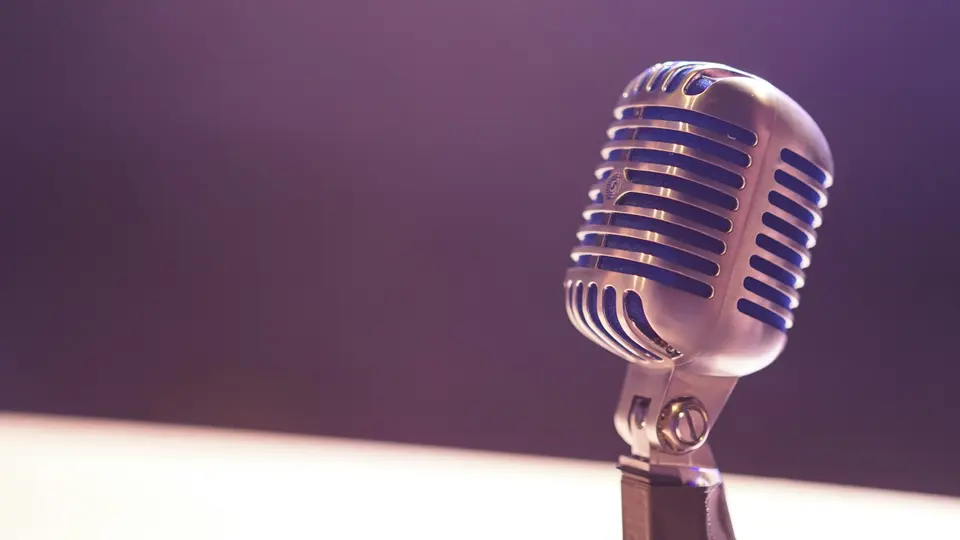
You can start a podcast on a budget.
The problem is not gear.
The problem is that gear gives you a beautiful excuse to not publish episode one.
You can spend three weeks comparing microphones, hosting plans, boom arms, mixers, lights, logos, and intro music. Then you will have a cart full of equipment and zero episodes.
Do not do that.
Start with the smallest setup that produces clean enough audio.
Clean enough is the goal.
Buy one decent microphone
The move: Get one USB mic and stop shopping.
You do not need a studio.
You need a microphone that makes your voice clear and boringly listenable.
That is it.
A solid USB mic in the $80 to $150 range is enough for most beginner podcasts. Audio-Technica and Blue have common beginner-friendly options. A decent headset can also work if your room is noisy and your budget is tight.
Do not buy:
- a mixer
- a second backup mic
- a giant boom arm before you know where you record
- a dramatic pile of cables
- anything that makes setup feel like a cockpit
Podcasting is already full of friction.
Do not add hardware theater.
Fix the room before you blame the mic
Bad rooms ruin decent microphones.
This is annoying because buying a new mic feels more fun than moving your desk.
Move the desk anyway.
Do this now:
- record away from windows
- turn off fans and loud AC
- close the door
- put soft things around the room
- record near clothes, curtains, books, or fabric
- keep your mouth close to the mic
You are not soundproofing.
You are killing echo.
Echo is what makes a beginner show sound like it was recorded inside an empty hallway.
If your voice sounds thin, harsh, or far away, check the room first. Not Amazon.
Use free recording software first
The move: Record with the simplest tool you can stand.
Audacity works.
GarageBand works if you are on a Mac.
A browser-based recorder can work for remote interviews.
The tool is not the show.
The show is the conversation, the point, the rhythm, and whether the listener trusts you enough to keep walking with you for 20 minutes.
Use the tool that gets you from record to export without making you feel like you enrolled in audio engineering school by accident.
Pick the format before the first episode
This matters more than your logo.
Decide the shape:
- solo notes
- interviews
- co-hosted conversations
- short lessons
- weekly breakdowns
- listener questions
Beginner advice: if solo episodes terrify you, start with interviews.
Interviews give you structure. They also give the episode another human voice, which makes the whole thing feel less like you are talking into the void.
But do not hide behind guests forever.
Your show still needs a point of view.
If the listener cannot explain what your podcast is for, you do not have a format yet. You have audio files.
Write a tiny episode plan
Do not script every word.
That makes most beginners sound trapped.
Use a small structure:
- Open with the promise.
- Say who the episode is for.
- Make three points.
- Give one next action.
- Stop before you start circling.
That is enough.
If you are building a broader content habit, the beginner content creator tools guide fits the same idea: use tools that reduce drag, not tools that give you a new identity crisis.
Use simple hosting
The move: Pick one podcast host and publish.
Spotify for Podcasters, Buzzsprout, Transistor, and similar podcast hosts all exist to solve the same basic job: upload audio, create a feed, and distribute the show.
Do not spend two weeks comparing dashboards.
Ask three questions:
- Can I publish without hating the interface?
- Can it send the show to major podcast apps?
- Can I afford it if I make zero money for the next six months?
Pick the first host that passes.
You can move later if the show becomes real.
“Later” is a beautiful place for decisions that are only pretending to be urgent.
Your starter kit
Here is the sane version:
- one USB mic or solid headset
- basic headphones
- free recording software
- a quiet-ish room
- one podcast host
- a simple episode format
- a promise you can repeat in one sentence
That is the starter pack.
Not a studio.
Not a brand universe.
Not 14 tabs about acoustic foam.
Do this now
Record episode zero.
Not a public episode.
A test.
Talk for 10 minutes about what the show is, who it helps, and why you care enough to make it.
Then listen once.
Only once.
Write down:
- where you rambled
- where the audio sounded rough
- where the idea got interesting
- what the first real episode should be
That one recording will teach you more than another week of gear research.
If you are moving from audio into video later, the YouTube starter pack follows the same rule: get the useful version out before you decorate the machine.
Start small.
Hit record.
Publish before your shopping cart gets confident.
Advertisement