Career & Work
Starter Pack: Home Office on a Shoestring
Build a budget home office that actually works. Spend on comfort, light, and focus before you buy desk decor.
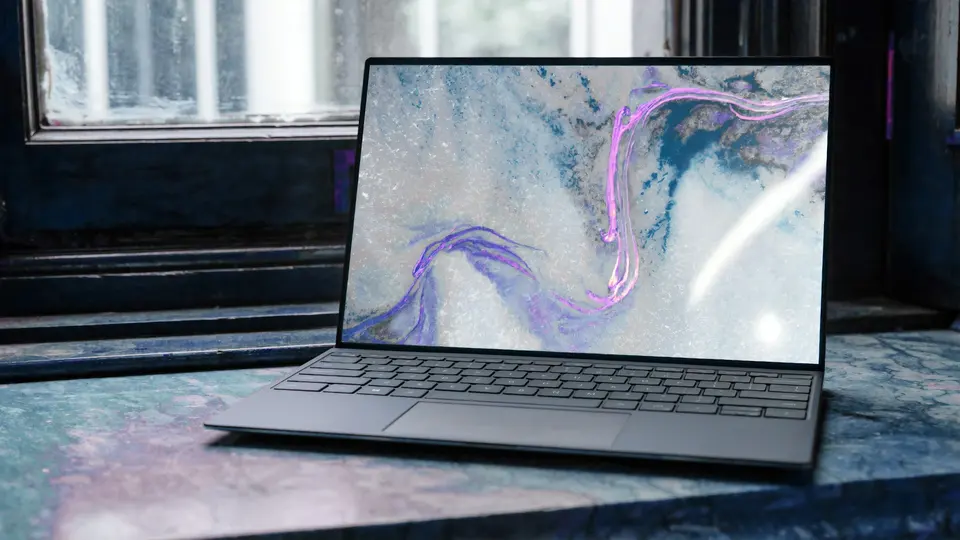
You can build a budget home office without turning your room into a showroom.
In fact, please do not.
Most “workspace inspiration” is just shopping with a productivity caption. Pretty desk. Perfect mug. Lamp that looks like it went to graduate school.
Fine.
But none of that helps if your back hurts, your screen is too low, and your calls sound like you are trapped in a stairwell.
Start with function.
Make it comfortable enough to work.
Then make it pretty if you still care.
Spend first on the chair
The move: Get the best chair your budget can handle.
This is not glamorous advice.
Good.
Glamour is not going to save your lower back at 4:17 p.m.
Look for:
- adjustable height
- decent back support
- stable seat
- arms that do not trap your shoulders
- enough comfort for a real work session
Used office chairs are often the best move. People move. Offices close. Fancy chairs end up online for human prices.
Test before you buy if you can.
Your feet should touch the floor. Your knees should sit roughly level. Your shoulders should not climb toward your ears.
If your chair is bad, everything else gets louder.
Use any desk that gives you space
The move: Do not overspend on the desk.
You need a flat surface.
You do not need a monument.
A cheap desk, a sturdy table, a wall shelf, or something secondhand can work. The important part is depth. You need enough room for your laptop, notebook, water, and whatever you use every day.
If the desk is too tiny, everything becomes a pile.
Piles become stress.
Stress becomes another fake productivity problem.
Fix the surface.
Raise the screen
The move: Get your laptop or monitor to eye level.
This is the cheapest ergonomic win.
Use a stand, a riser, a stack of sturdy books, or anything stable. The exact object does not matter. The height matters.
Your neck is not a crane.
Stop making it work like one.
Then add a basic keyboard and mouse if you are using a laptop stand. They do not need to be fancy. They just need to let your hands rest in a normal place.
Fix lighting before you buy more furniture
Bad lighting drains you quietly.
It also makes every video call look slightly tragic.
Do this now:
- put light in front of you or slightly to the side
- avoid bright light directly behind you
- use a warm desk lamp if the room is harsh
- reduce screen glare
- stop working under one angry ceiling bulb
A $20 lamp can make your desk feel like a place to work instead of a corner where tasks go to sulk.
If you also do calls or video, this overlaps with public speaking on camera: clear face, clear sound, fewer weird distractions.
Add headphones
The move: Buy decent headphones before buying desk decor.
You need them for meetings, focus, and not making every tiny sound in your house part of your workday.
They do not need to be luxury.
They need to be reliable.
If you do calls all day, a basic headset with a mic may beat nicer music headphones. If you write or do deep work, comfortable over-ear headphones might matter more.
Buy for your actual day.
Not your fantasy desk tour.
Keep the desk boring
This is where people lose the plot.
They build a “setup” instead of a workspace.
Your budget home office needs a few daily-use objects:
- notebook
- pen
- charger
- water
- lamp
- headphones
- one place for loose paper
That is plenty.
Do not decorate the desk until the desk is working.
The first win is not beauty.
The first win is sitting down and knowing where your stuff is.
If digital clutter is also eating your head, the digital declutter starter pack pairs nicely with this. Physical piles and digital piles are usually cousins.
The under-$200 version
Use this rough order:
- chair: $80 to $120 used or basic
- desk or table: $0 to $60
- lamp: $15 to $25
- laptop stand or riser: $10 to $25
- keyboard and mouse: $20 to $30
- headphones: $20 to $50
If that goes over budget, cut the desk first.
Use a table you already have.
Do not cut the chair unless you truly have to.
Do this now
Sit at your current desk for two minutes and write the three things that annoy you most.
Not the fantasy upgrades.
The actual annoyances.
Maybe:
- my neck hurts
- calls sound bad
- desk is too dark
- cables are everywhere
- I never have a pen
- I keep moving between rooms
Fix the top one this week.
Then fix the next.
That is how a good home office gets built. Not in one heroic shopping trip. In small, boring upgrades that remove daily friction.
For the fuller remote setup, use the budget remote work setup. For the thinking behind the space itself, read your environment is a productivity tool.
Start with the chair.
Your spine is already voting.
Advertisement