
The Client Conversation AI Can't Have For You
AI can draft the email. It cannot read a client's silence, hold a hard boundary, or rebuild trust after a project wobbles.
Tag
A focused shelf of PickyFox posts on artificial intelligence.
AI can draft the email. It cannot read a client's silence, hold a hard boundary, or rebuild trust after a project wobbles.

Everyone talks about when to use AI. Here is the harder list: when AI makes the work weaker, riskier, or less yours.

You do not need a giant AI tech stack. You need a few tools with clear jobs, no overlap, and monthly proof they still matter.
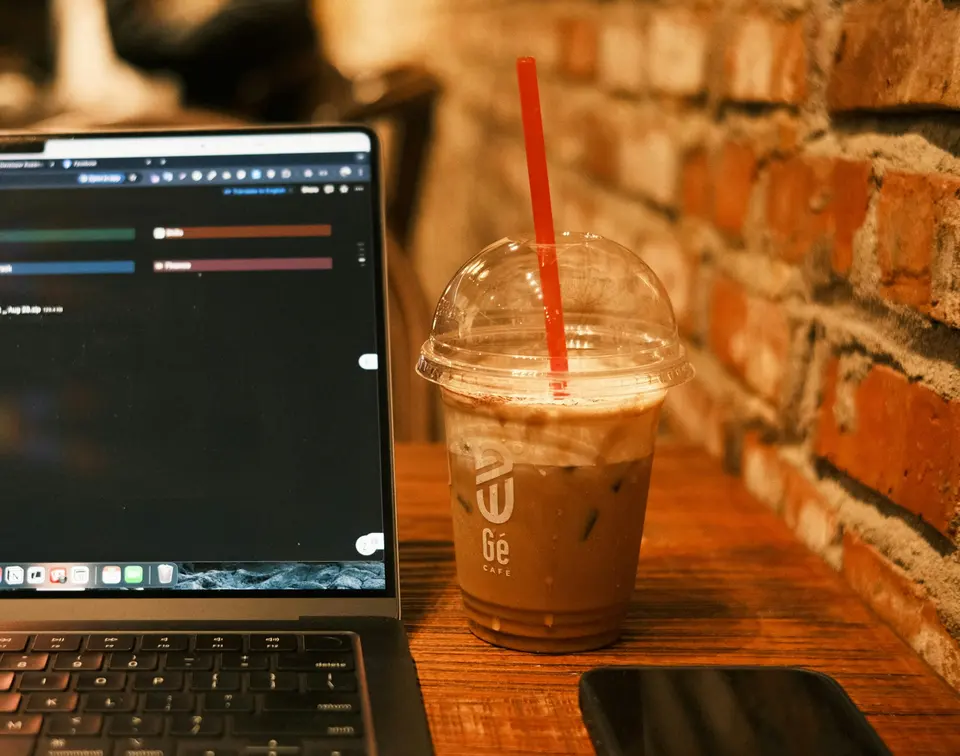
AI tools for freelancers should save time without damaging trust. Use them for drafts, research, code, meetings, and admin. Keep judgment human.

AI replacing jobs is the wrong fear. The real threat is a capable person using AI to do the boring parts faster.

Build an AI workflow around approved inputs, a clear brief, source verification, and final review. Measure the full effort, including corrections.

AI writing tools are useful when you stop asking them to be you. Use them for drafts, structure, and friction - not final judgment.
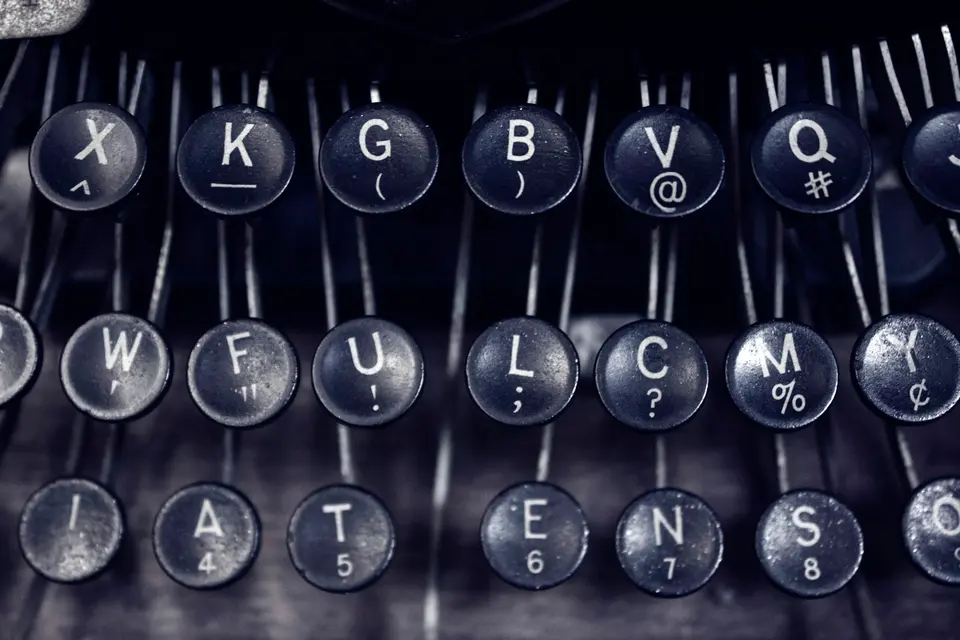
Writing faster is not about letting AI write for you. It is about removing friction before, during, and after the draft.

Try AI for lists, drafts, summaries, email structure, and decision questions. Check the output and measure review time before claiming a saving.
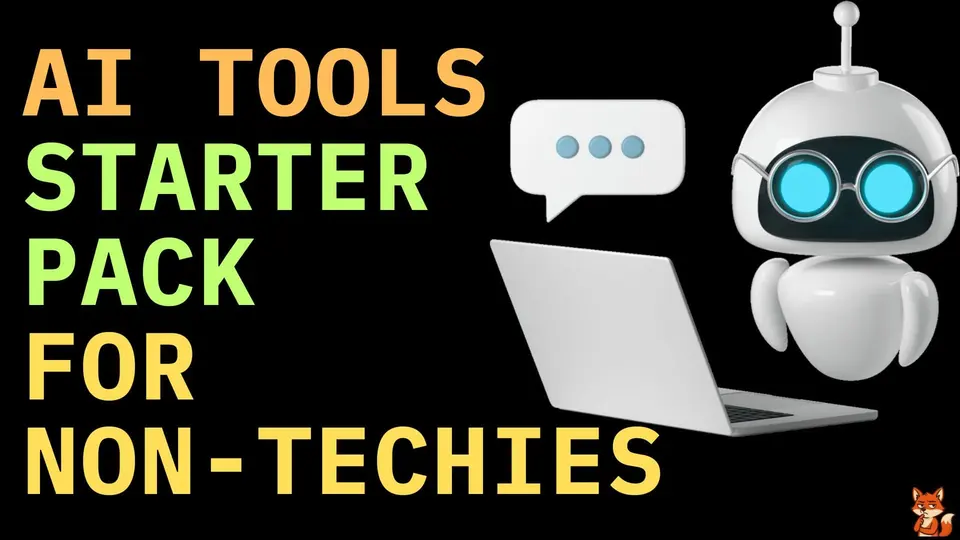
An AI tools starter pack for non-techies: one chat assistant, one editor, one design tool, one meeting notes tool, and no 19-app panic stack.