
AI for Editing: The Writing Job It Genuinely Nails
AI tools for editing your writing work best after you write the draft. Use them to cut, clarify, check rhythm, and catch weak spots.
Tag
A focused shelf of PickyFox posts on tools & resources.
AI tools for editing your writing work best after you write the draft. Use them to cut, clarify, check rhythm, and catch weak spots.

A simple AI workflow for beginners: one chat tab, five boring uses, no automation maze, and no pretending setup is the work.

Are AI tools safe with your data? Usually for low-risk work. Not for client secrets, NDA files, private records, or anything you cannot explain later.

Are AI subscriptions worth it? Pay for the one you use daily, cancel the fantasy tools, and stop letting monthly billing cosplay as progress.

The best AI meeting note-taker is the one that turns calls into decisions, owners, and next steps. Transcripts alone are not enough.

You do not need a 2,000-word prompt ritual. Better AI prompts come from context, examples, constraints, and actual judgment.
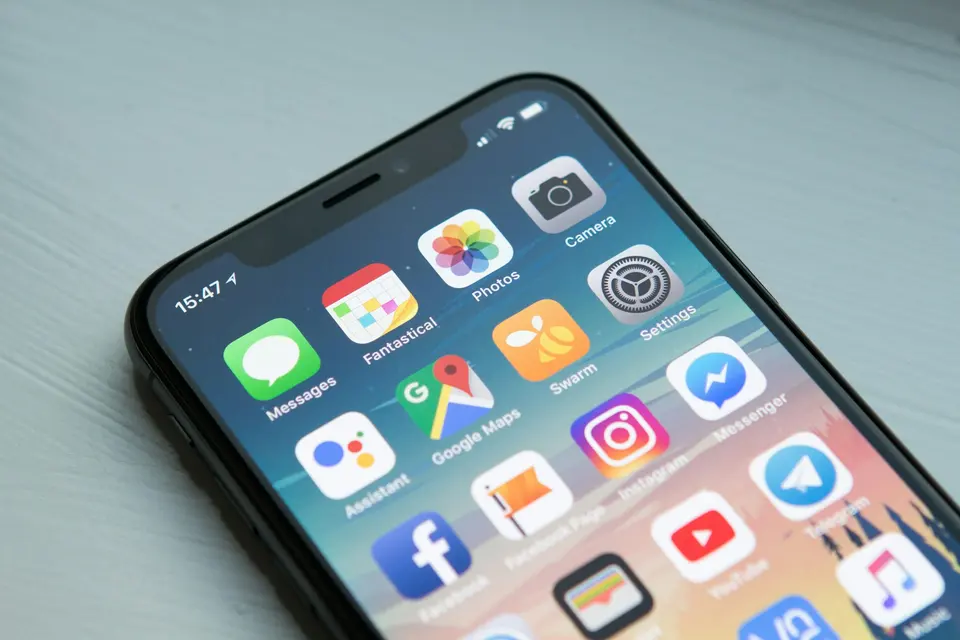
ChatGPT vs Claude vs Gemini, judged by actual work instead of leaderboard theater. Pick the one that fits your day.
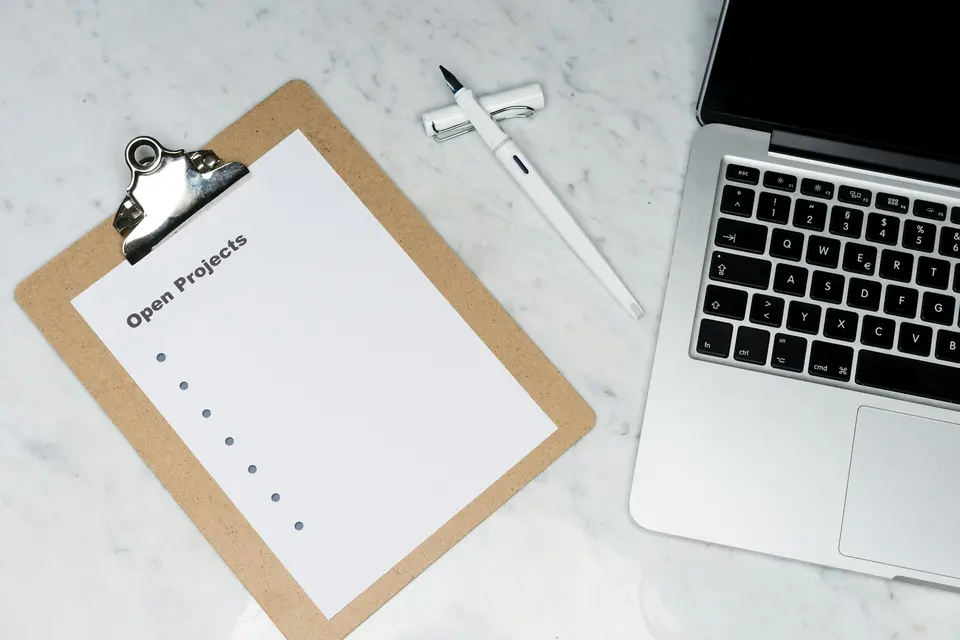
Your best process is a checklist, not a giant system. The boring list saves you when your brain is busy, rushed, or lying.
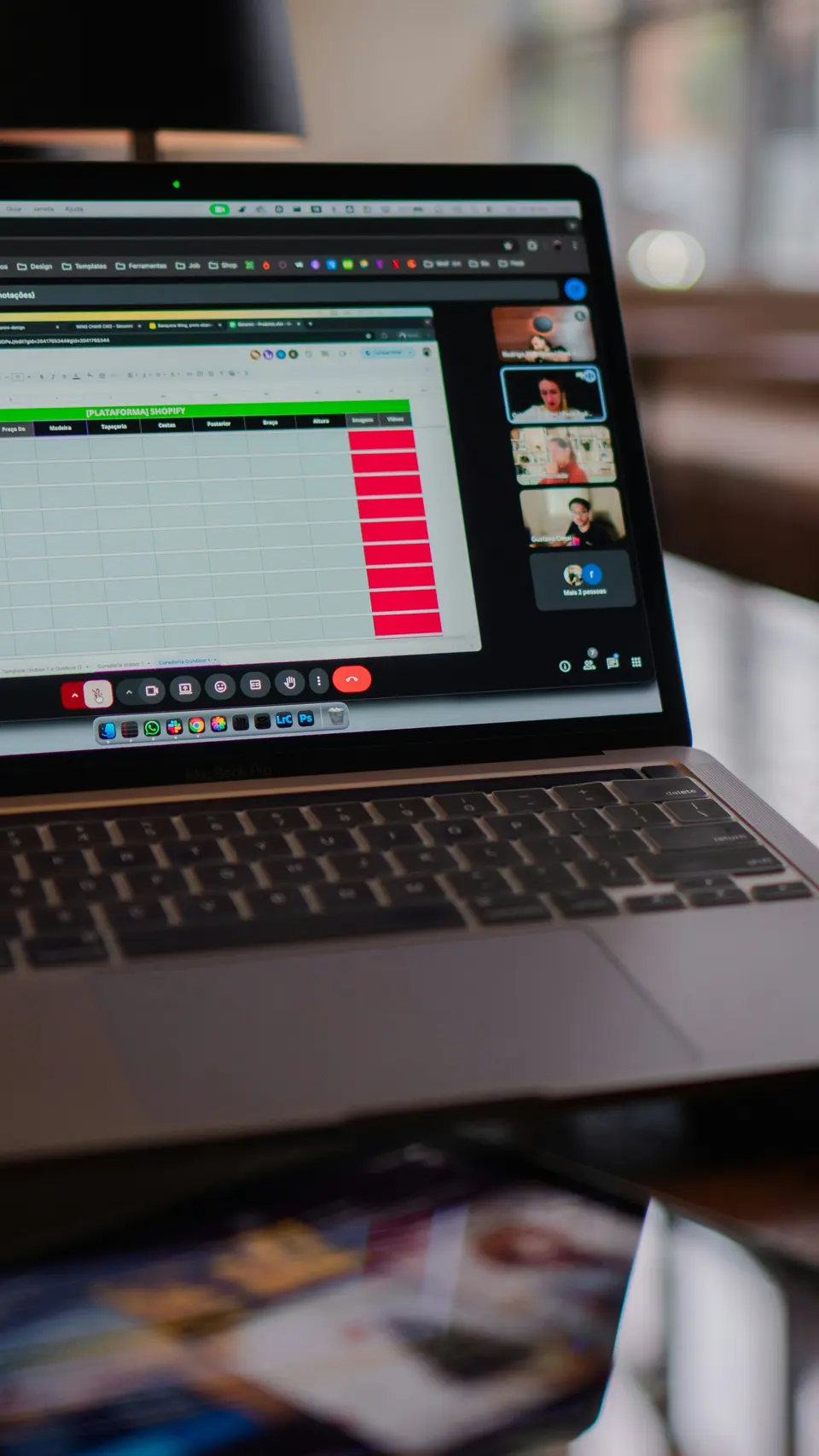
The one spreadsheet that runs my business is not fancy. It tracks money, clients, cash flow, and decisions before panic gets a vote.

Collaboration gets painful when truth lives in too many places. The right tools reduce places to check.
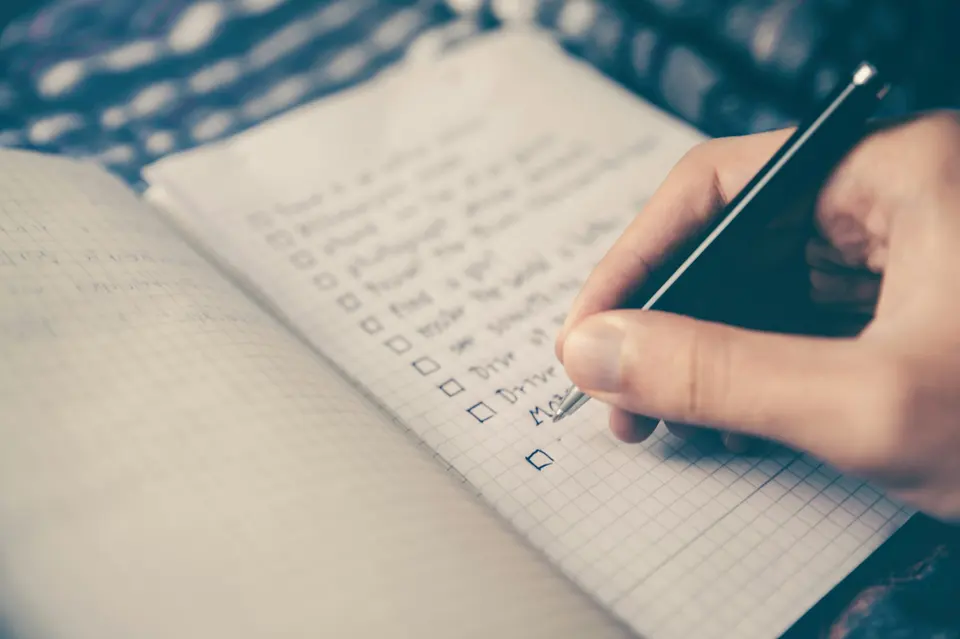
A habit tracker should prove you did the work, not become another thing to babysit.

The automation wins that actually stuck. No time spent building systems that don't work.