Health & Wellness
Why Gratitude Journals Feel Cringe
Gratitude journals feel fake when they force big feelings. Use tiny, honest noticing instead.
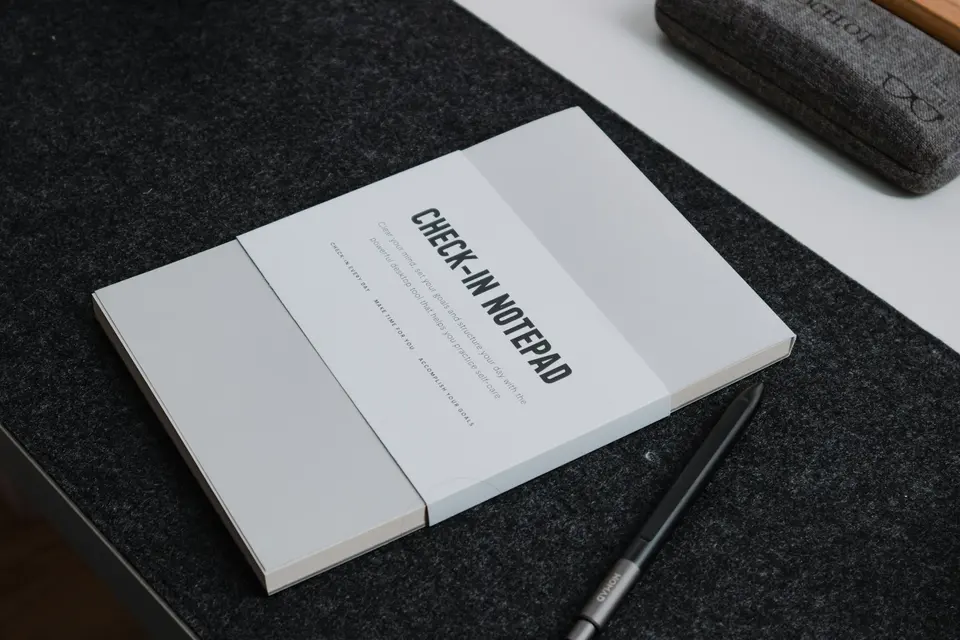
Gratitude journals sound fine until you actually do one.
Day one:
Nice.
Day two:
Still okay.
Day four:
You are writing “coffee” again and wondering if this is personal growth or just homework with a nicer pen.
The problem is not gratitude.
The problem is fake gratitude.
Your brain knows the difference.
Why Gratitude Journals Get Cringe
Most gratitude advice makes one weird demand:
Feel a sincere emotion on command.
That is not how humans work.
The move: Stop trying to feel grateful. Start noticing what was not terrible.
Why: Forced gratitude turns into performance. Honest noticing turns into attention training.
The usual prompt is too big:
Write three things you are grateful for.
So your brain reaches for the obvious:
- Family
- Health
- Shelter
- Food
All real.
Also boring by day six.
Not because those things do not matter.
Because repetition without attention becomes a script.
And scripts go numb.
Use The Tiny Version
Do not write profound gratitude.
Write one small, true thing.
Examples:
- Coffee was hot.
- The meeting ended early.
- I did not send the angry email.
- The light in the room was good.
- Dinner tasted better than expected.
- Someone replied kindly.
- My shoulder hurt less today.
That is enough.
Really.
The move: One tiny true thing per day.
Why: Specific beats inspirational.
“I am grateful for my life” can be true and still emotionally blank.
“The coffee stayed hot through the first ten minutes of work” is small enough to be real.
That is the point.
Write Like A Normal Person
Your gratitude journal does not need to sound like a wellness influencer whispering over piano music.
Write like you.
Bad:
“I am deeply grateful for the abundance of warmth in my morning ritual.”
Better:
“Good coffee. Did not taste like sadness.”
That second one has fingerprints.
Keep the fingerprints.
Do this now: Open a note and write one sentence about today that does not make you roll your eyes.
If it makes you roll your eyes, rewrite it until it sounds like something you would actually say.
Use Relief When Gratitude Feels Fake
Some days gratitude is too much.
Use relief.
Relief is gratitude’s less annoying cousin.
Examples:
- Glad that call got canceled.
- Glad the project did not break today.
- Glad nobody needed me after dinner.
- Glad I found the keys.
- Glad the headache faded.
This works because you are still training attention toward what went right.
You are just entering through the side door.
No performance required.
This is similar to stress management: tiny practices that actually happen beat elaborate rituals you quit by Thursday.
Keep It Under 30 Seconds
If your gratitude journal takes five minutes, you will start avoiding it.
Make it tiny.
The move: Write one sentence before bed.
Not three.
Not a paragraph.
Not a reflection journey.
One sentence.
Then stop.
The point is to build the noticing muscle, not create another evening chore.
If you keep trying to attach this to a perfect routine, read the myth of the perfect morning routine. A tiny practice you repeat beats a beautiful system you resent.
Skip The Fake Days
This part matters.
If the day was awful and every gratitude sentence feels like lying, skip it.
Do not write fake positivity to keep a streak alive.
Streaks are useful until they make you dishonest.
The rule: Never lie to your journal.
Write:
“Hard day. Nothing today.”
That counts as honesty.
Tomorrow gets another chance.
The Two-Week Experiment
Try this for two weeks.
No buying a special notebook.
No redesigned life.
Just a note on your phone.
Night 1-3
Write one tiny true thing.
Night 4-7
If gratitude feels fake, write one relief sentence instead.
Week 2
Notice whether you catch good moments during the day before journaling.
That is the real sign it is working.
Not that your entries sound wise.
That you are noticing sooner.
The Point
Gratitude journals feel cringe when they ask you to perform a better version of yourself.
Do not perform.
Notice.
Write one small true thing.
Leave.
That is the whole practice.
If it helps, keep it.
If it still feels fake after two weeks, drop it without guilt and try another small habit. Morning micro-habits has more options that do not require pretending to be a different person.
Advertisement