AI for Editing: The Writing Job It Genuinely Nails
AI tools for editing your writing work best after you write the draft. Use them to cut, clarify, check rhythm, and catch weak spots.
Hub · Making
Writing, making, publishing. The unglamorous parts and the strategic ones.
This shelf is for people who make things. Writers, designers, builders, anyone whose week includes producing something that will end up in front of other people. It's about the craft and the business of making, with the same skeptical lens the rest of the site uses on productivity and tools.
Some posts are tactical: how to keep a content cadence without burning out, when to ship before you're ready, what to do when an idea won't land. Some are about platforms: the changing economics of newsletters, blogs, video, and what the AI shift does to the people doing the writing. Some are about creative habits, which are mostly the same as work habits but with a thinner margin for self-deception.
If you came here looking for a "five steps to viral" piece, the door is the other way. If you came here looking for honest writing about making and shipping, this is the right shelf.
47 posts in this hub ·Content & Creativity
Start here
If this is your first time on this hub, these are reasonable entry points.
AI tools for editing your writing work best after you write the draft. Use them to cut, clarify, check rhythm, and catch weak spots.

Tired creators do not need more originality pressure. Steal structure, remix old work, and stop treating every idea like glass.
A content calendar should match your real capacity. Build one with themes, buffers, draft days, and a no-post list.
Public speaking on camera gets easier when you stop performing and start giving people one useful thing clearly.

Your personal brand feels fake when you package yourself before you know what you actually think.

Running a newsletter people read is not about list size. Earn the open with a clear promise, real voice, and useful issues.
More in this hub

How to network online without being cringe: stop pitching strangers, show useful attention, and earn the conversation.
You can become a better writer in 30 days if you stop trying to sound smart and start doing useful reps.
Going viral looks like success from the outside. Up close, it is usually noise, weak intent, and a very confused strategy hangover.

Non-designers do not need more creative freedom. They need tools with good defaults, strong templates, and fewer ways to ruin spacing.

A winning proposal makes the client feel understood and safe. Restate the problem, define scope, show the plan, and ask for the decision.

You do not need a massive audience to build an email list. You need one useful promise, one simple page, and a reason to keep writing.

Your content is not growing because publishing is not distribution. Build the loop that gets good work in front of the right people.

Content repurposing works when you reuse the idea, not the sentence. Turn one strong piece into several useful angles without sounding automated.

Explore three creativity books with different approaches to resistance, small writing tasks, and attention. Use the ideas as questions, not guarantees.
The writing process nobody talks about is the ugly middle where you write badly, find the point, and cut the noise.
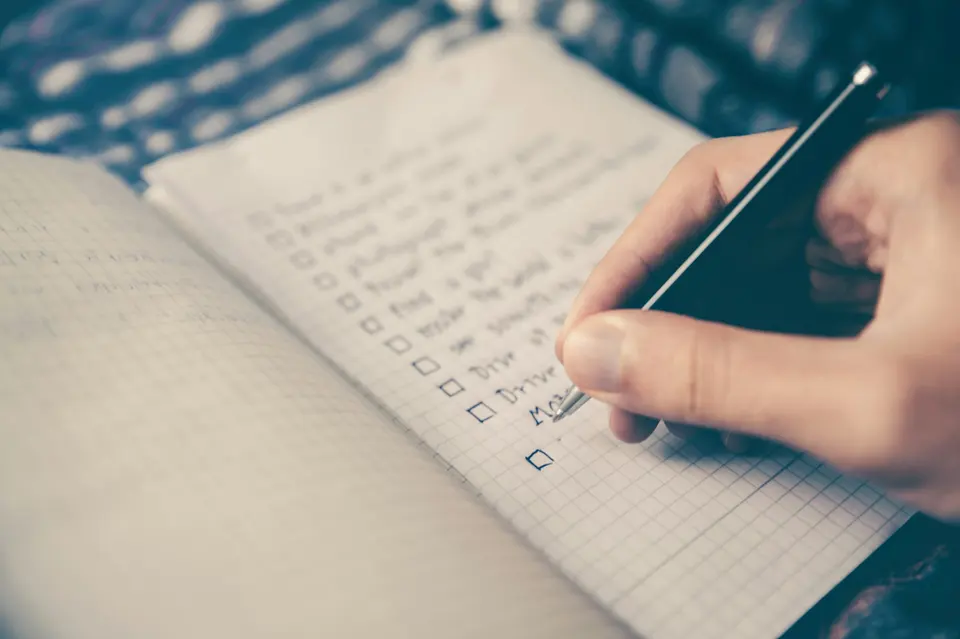
Build a portfolio that gets you hired by showing proof, decisions, outcomes, and the exact problems you solve.
Learning to write clearly pays for itself because every clear email, proposal, brief, and decision note removes friction.